Branching Narratives for Community Building: Using Questas to Host Asynchronous Story Clubs

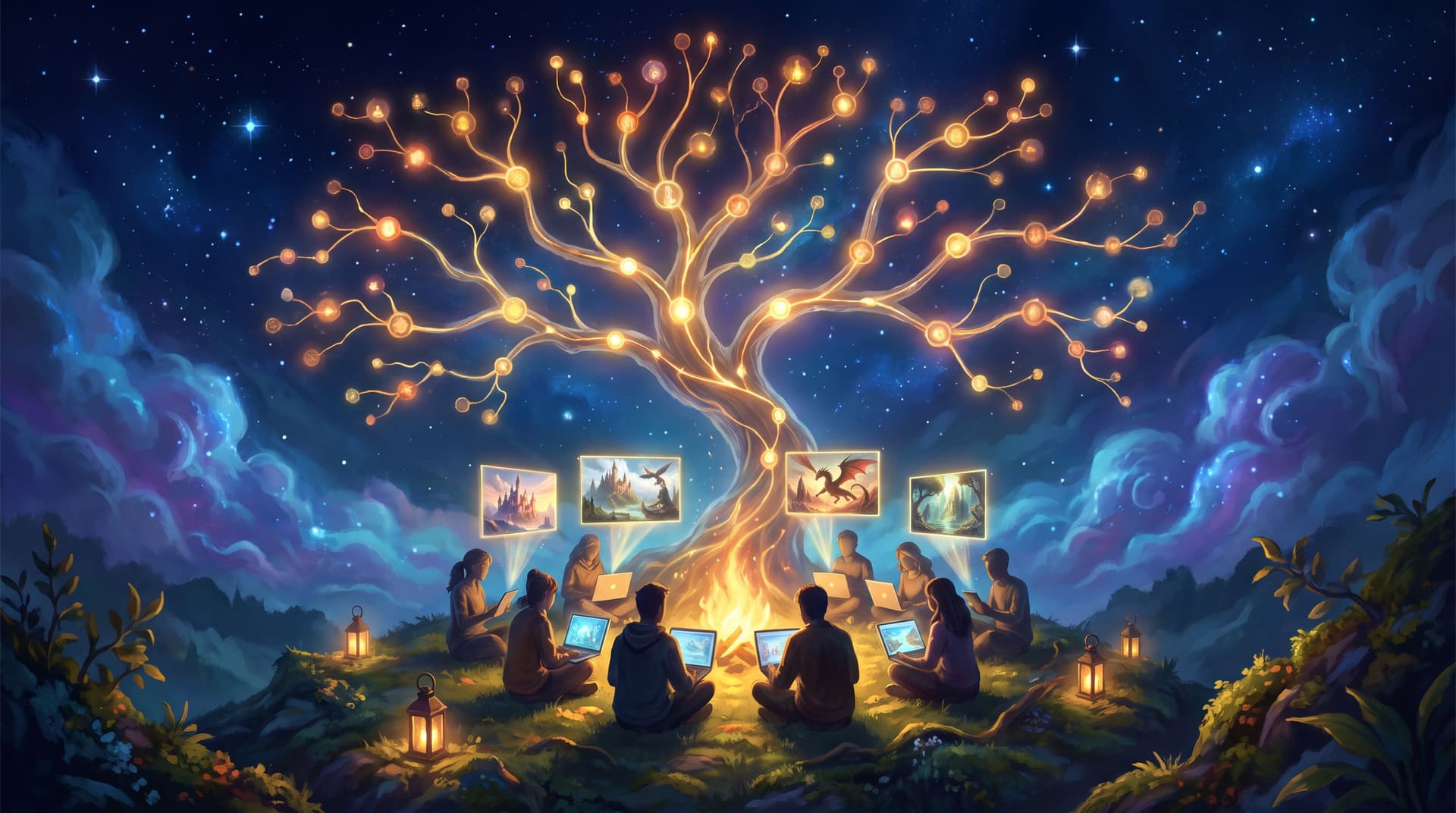
Online communities are hungry for connection that goes deeper than hot takes and reaction threads. Book clubs, fandom servers, critique circles, mastermind groups—they all orbit the same desire: let’s think together about something we care about.
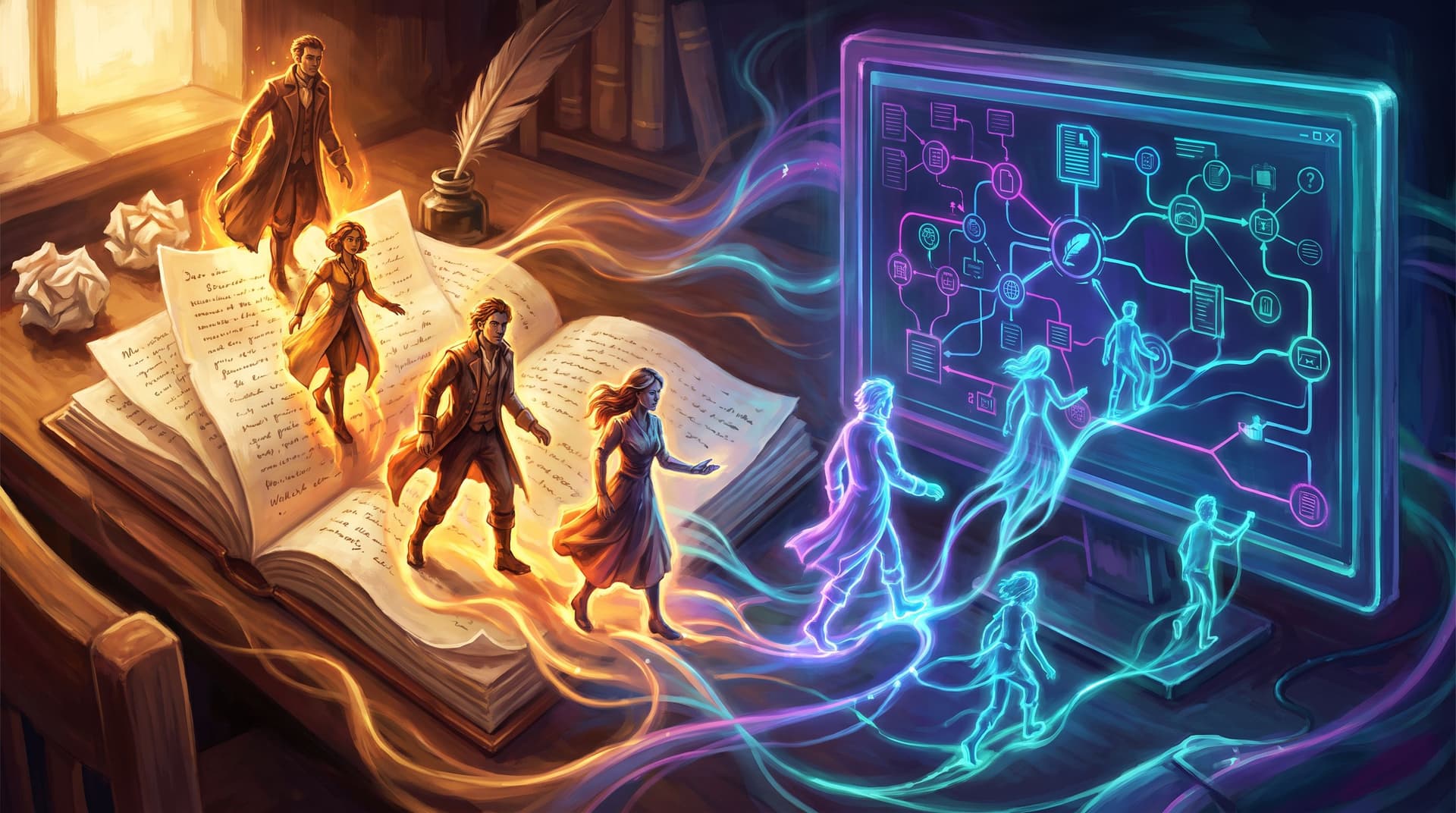
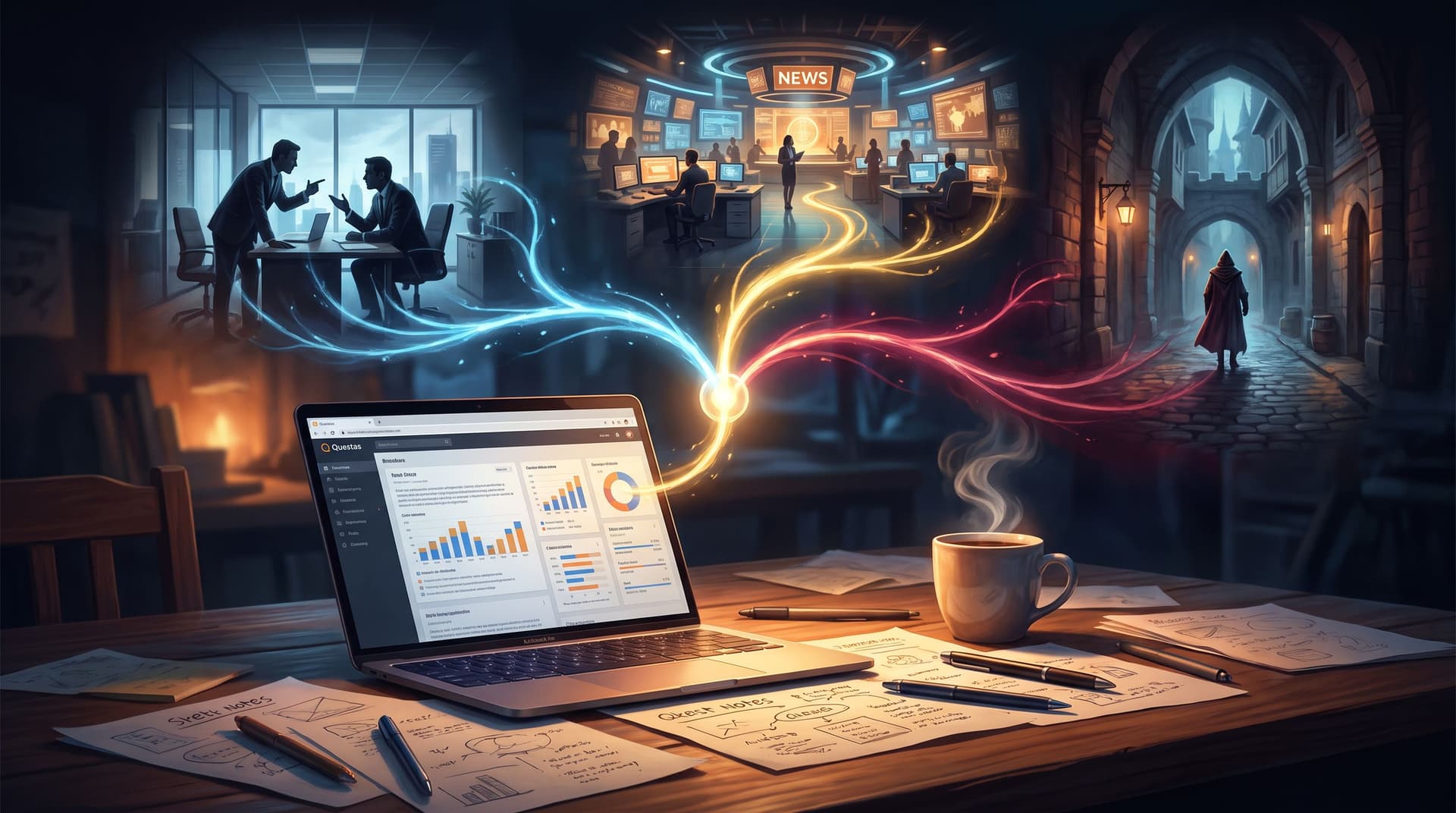
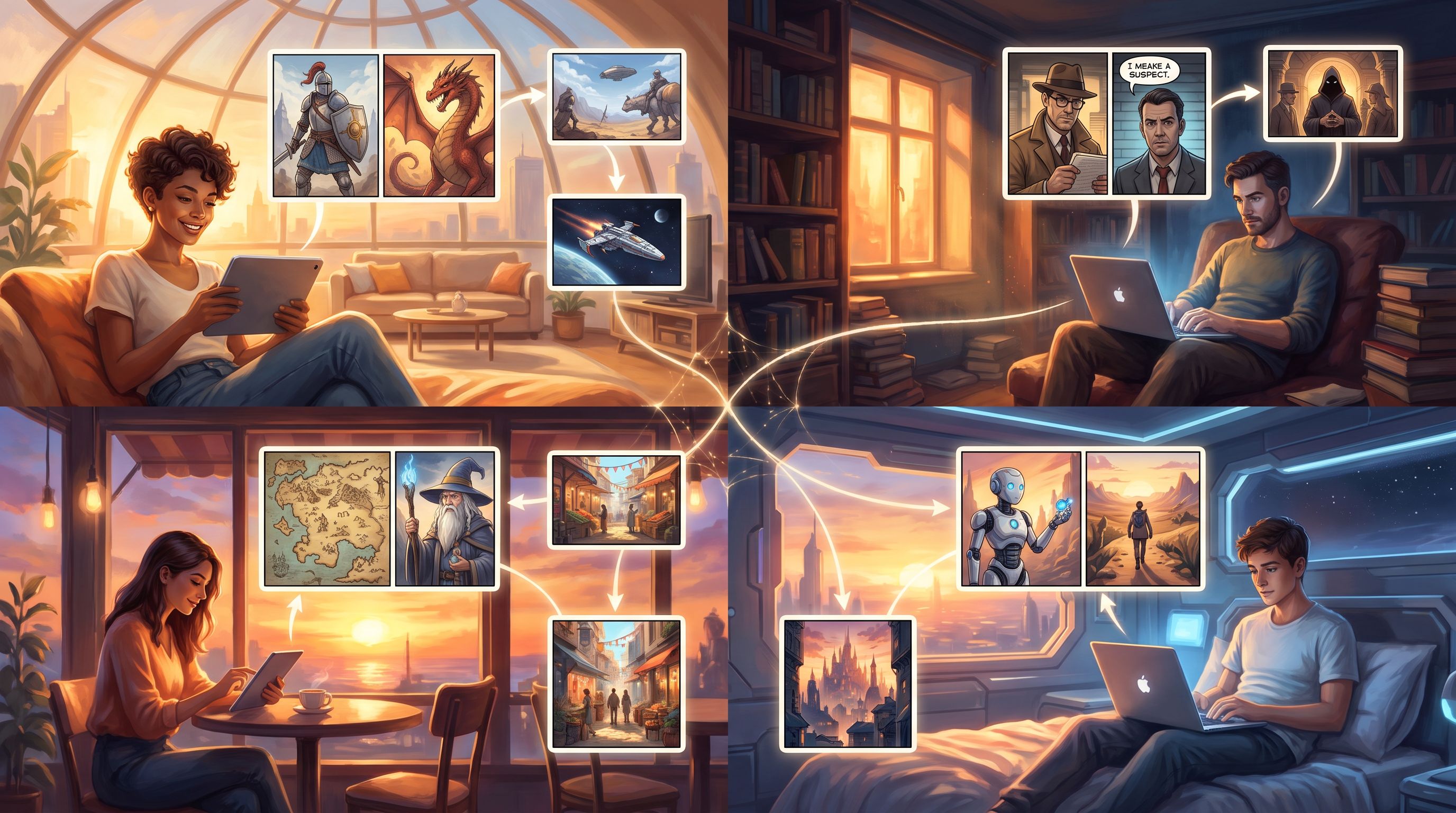
Asynchronous story clubs built on branching narratives are a powerful way to do exactly that. Instead of everyone reading the same chapter and posting their thoughts, members play through a shared interactive story, compare choices, and co-create meaning over time. With a no‑code platform like Questas, you can host those story clubs as rich, visual, choose‑your‑own‑adventure experiences—without needing to code or manage a custom app.
This post walks through why asynchronous story clubs work so well for community building, and how to design, host, and sustain them using Questas.
Why Asynchronous Story Clubs Work So Well for Community
Traditional book clubs and live game nights are great—but they’re hard to schedule, and someone is always in the wrong time zone or juggling family and work. Asynchronous, branching story clubs solve several problems at once:
1. Everyone participates on their own time
Asynchronous formats let people drop in when they have mental bandwidth, not just when the calendar says so. Research on asynchronous discussion shows that this flexibility supports deeper reflection and more thoughtful contributions because people can read, think, and respond at their own pace.
2. Choices create instant conversation hooks
Instead of asking, “What did you think of chapter three?” you can ask:
- “Who chose to betray the guild at the river crossing?”
- “Did anyone actually spend all their remaining resources to save the stranger?”
Branching narratives make disagreement safe and interesting. Different paths aren’t mistakes; they’re alternate perspectives the group can explore together.
3. Quieter voices get more space
Studies comparing asynchronous forums to face‑to‑face discussions suggest that text‑based, time‑shifted formats often increase equality of participation, especially across gender and experience levels. People who might stay silent in a live call can compose their thoughts, edit before posting, and share when they’re ready.
4. Shared worlds, shared identity
Communities grow stronger when members feel like they inhabit a world together—whether that’s a fantasy city, a coaching scenario, or a product universe. Branching stories give your group recurring characters, locations, and dilemmas that become in‑jokes and reference points.
If you’re curious about how to expand a single story into a whole “story system” that a community can live in over time, check out our guide on turning linear fiction into interactive seasons: From Short Story to Story System: Adapting Existing Fiction into a Multi‑Season Questas Narrative.
What Is an Asynchronous Story Club, Exactly?
Think of an asynchronous story club as a cross between:
- A book club
- A tabletop campaign
- A forum‑based roleplay
…but hosted through a playable, branching story built in Questas.
At a high level, the loop looks like this:
- You publish a quest: a self‑contained interactive story with choices, AI‑generated images or video, and multiple paths.
- Members play on their own time within a set window (a week, a weekend, a month).
- You prompt discussion: members share which paths they took, why they made certain choices, and what outcomes they saw.
- You harvest insights: patterns, surprising choices, favorite scenes, and “we need a follow‑up episode” ideas.
- You respond with more story: a sequel quest, a side story, or alternate POV built in Questas, shaped by what the community did.
Instead of a one‑off event, you get an ongoing, co‑authored narrative.
Designing Your First Story Club Quest in Questas
Let’s break down how to design a quest that’s perfect for an asynchronous club.
Step 1: Choose a Compact, Replayable Structure
You don’t need a giant epic to start. In fact, smaller is better for a club’s first run. A great pattern here is the 3‑path structure:
- One pivotal decision early on
- Three distinct paths that each explore a different theme or trade‑off
- Multiple endings, but all reachable in 5–15 minutes
If you want a deeper dive on this structure, we’ve got a full breakdown in The 3‑Path Pattern: A Reusable Blueprint for Short, High‑Impact Questas Stories.
Why this works for clubs:
- Short enough that most members will actually finish
- Clear, named paths (“duty,” “loyalty,” “rebellion”) that become labels for discussion
- Easy for you to extend later with sequels
Step 2: Define Community‑Relevant Themes
The story doesn’t have to be “about” your community topic on the surface—but the decisions should echo real questions your members care about.
Examples:
- For a leadership community: A branching scenario where you play a new manager navigating a tense product launch. (You can borrow techniques from Teaching Soft Skills with Hard Choices: Designing Coaching‑Style Questas for Managers and Leaders.)
- For a fandom: A side‑story set in your shared universe where players must choose between canon‑friendly and wildly speculative options.
- For a creator collective: A story about an indie team deciding how far to compromise their vision for funding.
Ask yourself:
“What hard choices do we talk about all the time in this community?”
Those are your story’s decision points.
Step 3: Use Visuals to Anchor the World
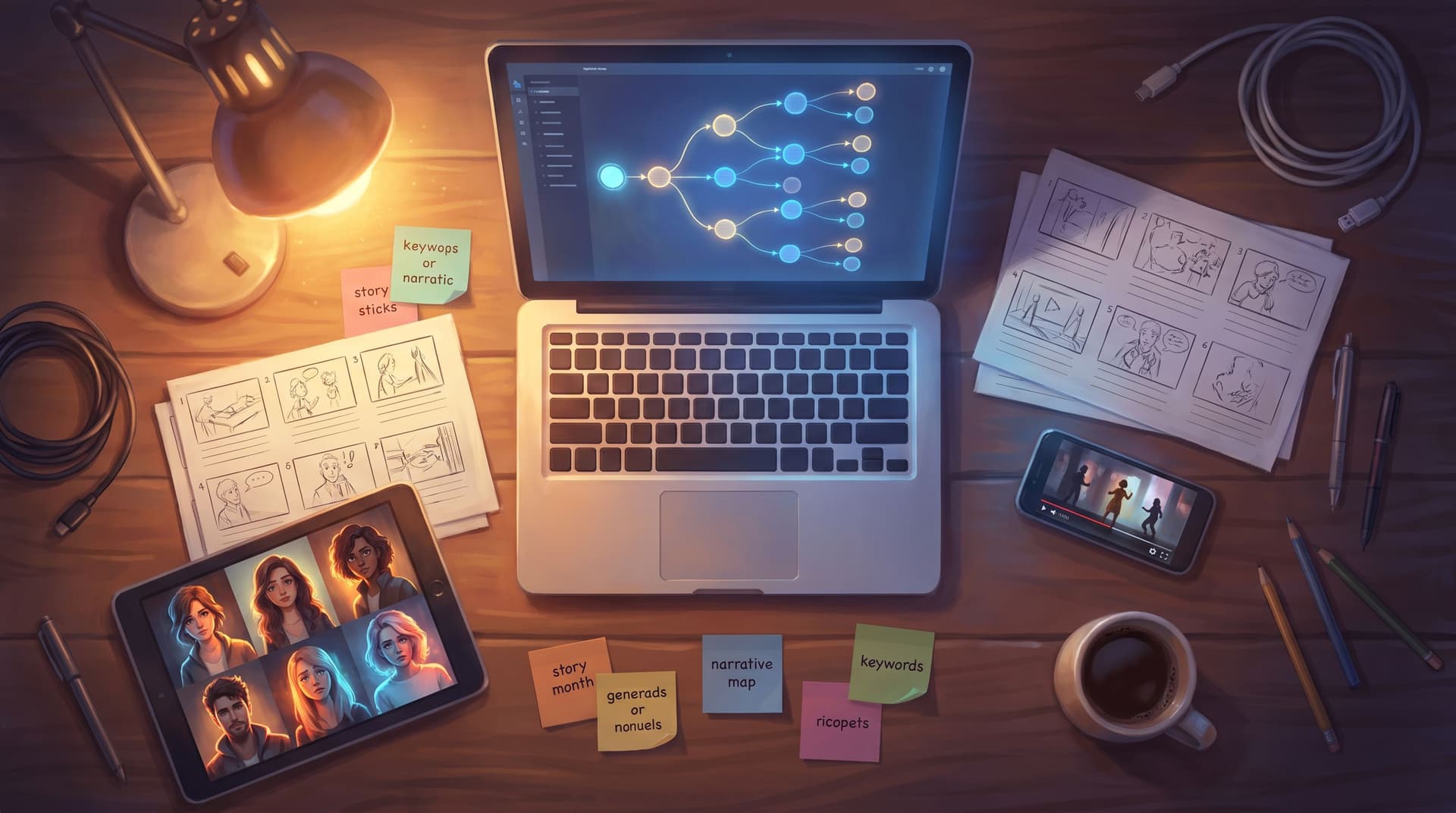
Because Questas supports AI‑generated images and video, you can make your story club feel like a shared show everyone is watching—then stepping into.
Aim for:
- Consistent character designs: Re‑use visual prompts so key characters are recognizable across episodes.
- Recurring locations: The same coffee shop, starship bridge, or town square, seen from different angles.
- Mood‑setting shots: Wide establishing images, close‑ups for emotional beats, UI‑style overlays for data or messages.
If you haven’t yet dialed in your visual workflow, our guide on AI art stacks can help you pick and combine tools that play nicely with Questas: Onboarding Your AI Art Stack: A Practical Guide to Choosing and Combining Tools for Questas Visuals.
Structuring the Club: Cadence, Prompts, and Roles
A strong story is only half the equation. The other half is how you invite people to play and talk together.
Pick a Clear Cadence
You have a few options:
- Weekly episode: One short quest per week. Great for communities that already have a rhythm (e.g., newsletter + quest Fridays).
- Monthly deep dive: One richer quest per month, with multiple check‑in prompts.
- Seasonal arcs: A 3–5 episode “season” over a quarter, with breaks in between.
For your first run, try:
One 10–15 minute quest, playable over 7–10 days.
That’s long enough for people in different time zones and schedules, but short enough that the story doesn’t go stale.
Design Discussion Prompts Around Choices, Not Opinions
After you publish the quest link, seed the conversation with prompts like:
- “Which first choice did you make, and why?”
- “Did you backtrack to try a different path? What surprised you?”
- “Was there a moment where you felt genuinely stuck?”
- “If you replayed, what did you change?”
Notice these prompts:
- Encourage story‑specific reflection (“first choice,” “moment you felt stuck”)
- Invite multiple valid answers
- Nudge people to replay and compare paths, which is great for engagement
Create Simple Roles
To keep momentum, designate lightweight roles:
- Host (you or a moderator): Posts the quest, sets dates, nudges conversation.
- Cartographer: One member who summarizes the different paths the group discovers.
- Lorekeeper: Someone who collects quotes, screenshots, or fan theories.
These roles don’t need special permissions; they just give people permission to contribute in specific ways.
Building Your Club Hub with Questas
Questas itself handles the interactive story, but you’ll also want a home base where members gather. That might be:
- A Discord or Slack channel
- A private forum or Circle/Discourse space
- A channel in your existing community platform
Here’s a simple setup that works well:
- Pin the current quest link at the top.
- Add a short “How this works” message:
- When to play (date window)
- How to share spoilers (e.g., use spoiler tags or threads)
- Encouragement to replay at least once
- Create threads for each major path or ending once people start reporting them.
Because Questas runs in the browser, you can also:
- Embed links in newsletters
- Drop them into a course LMS
- Share them via QR codes at live events
The key is to make the path from “I see the invite” to “I’m playing” as short as possible—ideally one click.
Turning Play Data into Community Insight
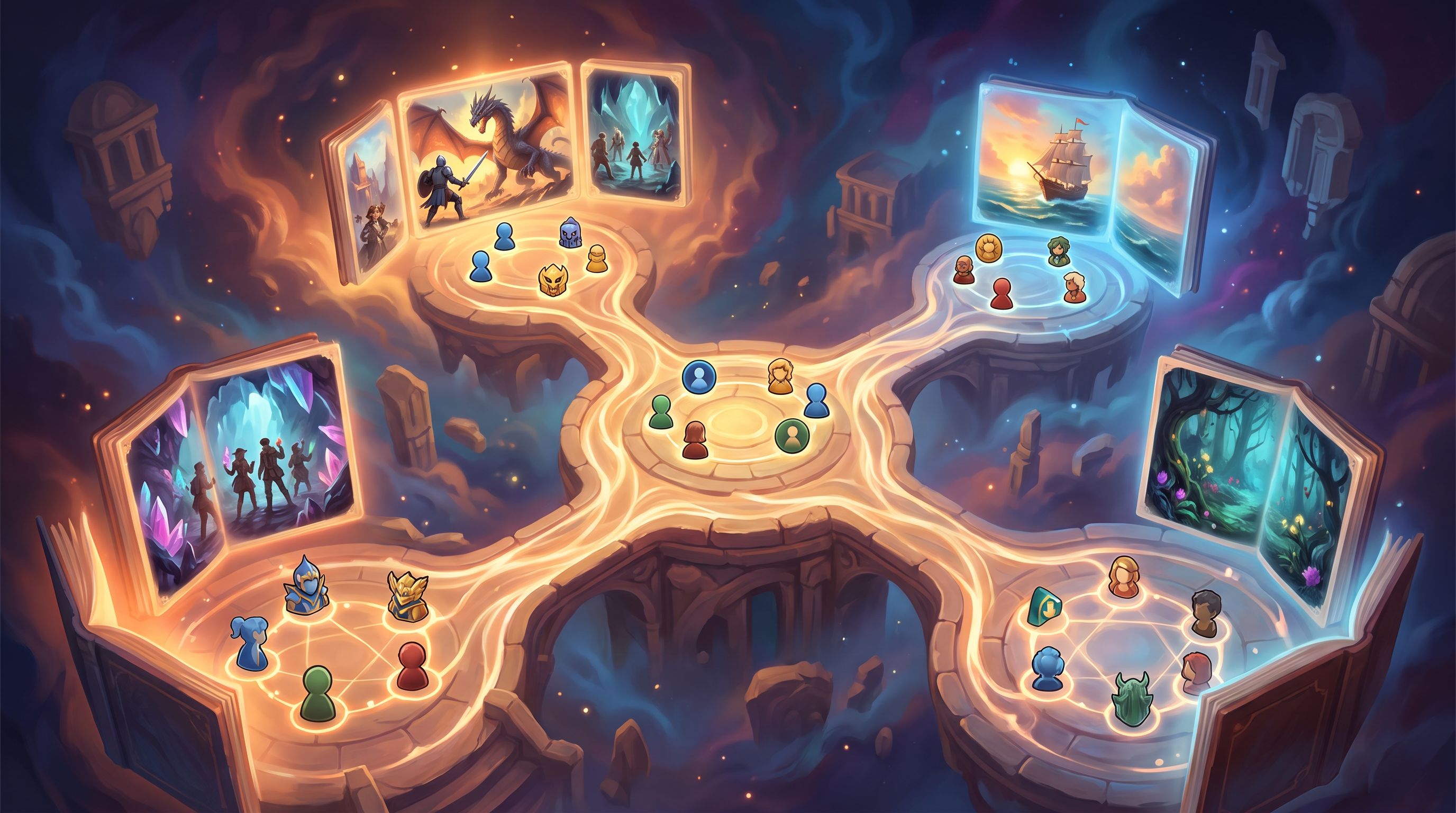
One underrated benefit of hosting your story club on a platform like Questas is the behavioral data you get for free.
You can look at:
- Session length: Are people finishing in one go or dropping off midway?
- Popular branches: Which choices get clicked most—and which are almost ignored?
- Backtracking patterns: Where do players rewind or restart?
These “quiet metrics” tell you not just what people say they like, but how they actually navigate dilemmas and trade‑offs. If you want to go deeper on reading these signals, see: The Quiet Metrics of Play: What Session Length, Backtracking, and Screenshot Habits Reveal About Your Questas.
You can feed these insights back into the community by sharing anonymized highlights:
- “70% of you chose to protect the informant instead of the mission.”
- “Almost no one took the ‘walk away’ option—why do you think that is?”
This turns analytics into conversation starters, not just dashboards.
Growing from One‑Off Event to Ongoing Tradition
Once your first story club run lands, you’ll start hearing:
- “Can we see what happens if we follow [that side character]?”
- “What if we played this from the antagonist’s point of view?”
- “Could we run a ‘what if we made the opposite choice’ version next month?”
Here’s how to harness that energy.
Spin Off Side Quests
Use Questas to create:
- Character vignettes: Short quests that follow a secondary character through a key moment.
- What‑if branches: “Same” story but with one major decision inverted.
- Worldbuilding tours: Micro‑adventures that explore a single location or cultural detail.
If you’re sitting on notes or lore that never quite fit in your main quest, our guide on turning worldbuilding notes into side quests can help: From Lore Dump to Living World: Turning Worldbuilding Notes into Questas Side Quests.
Invite Member‑Created Episodes
Once the community understands the format, some members will want to build their own quests. With Questas’s visual, no‑code editor, you can:
- Run a “Pilot Week” where members submit short quests set in the shared universe.
- Curate a season playlist of the best community‑made episodes.
- Collaborate on branch maps where different creators own different paths.
You don’t have to give up canon control; you can define a story bible and let people play within it.
Layer in Other Media
As your club matures, you can experiment with transmedia touches:
- A newsletter issue that recaps last month’s choices as “in‑world news.”
- A podcast episode where hosts discuss the most controversial branches.
- Social clips or TikToks that tease key decisions and invite new members into the club.
Questas plays nicely with all of these because your core artifact is always a shareable, playable link.
Common Pitfalls (and How to Avoid Them)
Even great concepts can stumble. Watch out for these traps:
1. Overly complex maps
If your first quest looks like spaghetti when you zoom out, it’s probably too big for a club pilot. Start tighter. You can always expand later.
2. Vague or generic choices
“Be nice / be mean” isn’t interesting. Aim for trade‑offs:
- Protect one person vs. many
- Tell the truth now vs. preserve leverage for later
- Choose speed vs. safety
3. No clear end to the experience
Open‑ended discussion threads fizzle. Give each quest a clear play window and a closing ritual (summary post, poll, or live debrief).
4. Ignoring quiet members
Not everyone will post in the main channel. Invite low‑friction participation:
- Emoji reactions to poll questions
- Simple “Path A / Path B / Path C” votes
- Anonymous surveys about favorite scenes
Bringing It All Together
Asynchronous story clubs sit at the sweet spot between flexibility, depth, and play. Branching narratives give your community something richer than a discussion prompt and more accessible than a full‑blown role‑playing campaign.
Using Questas as your engine, you can:
- Design compact, replayable stories that map directly to the questions your community cares about.
- Host them as shared experiences that members can join on their own time.
- Spark nuanced conversations around choices, consequences, and alternate paths.
- Grow a living storyworld that evolves with your members’ decisions.
You don’t need a game design degree or a dev team. You need a premise, a few meaningful decisions, and a willingness to let your community surprise you.
Your Next Step
If this sparked ideas, don’t wait for the “perfect” concept. Pick a small, specific scenario your community already debates and:
- Sketch a 3‑path outline with one pivotal choice.
- Open Questas and build a 10–15 minute quest around it, using AI visuals to bring key moments to life.
- Invite a small group—your core members, a beta circle, or a private channel—to play through it over a week.
- Listen closely to what they choose, what they argue about, and what they ask for next.
That’s your first asynchronous story club.
From there, Adventure Awaits!—and your community will help write the next chapter.