Posts tagged with "AI Tools"

27 posts

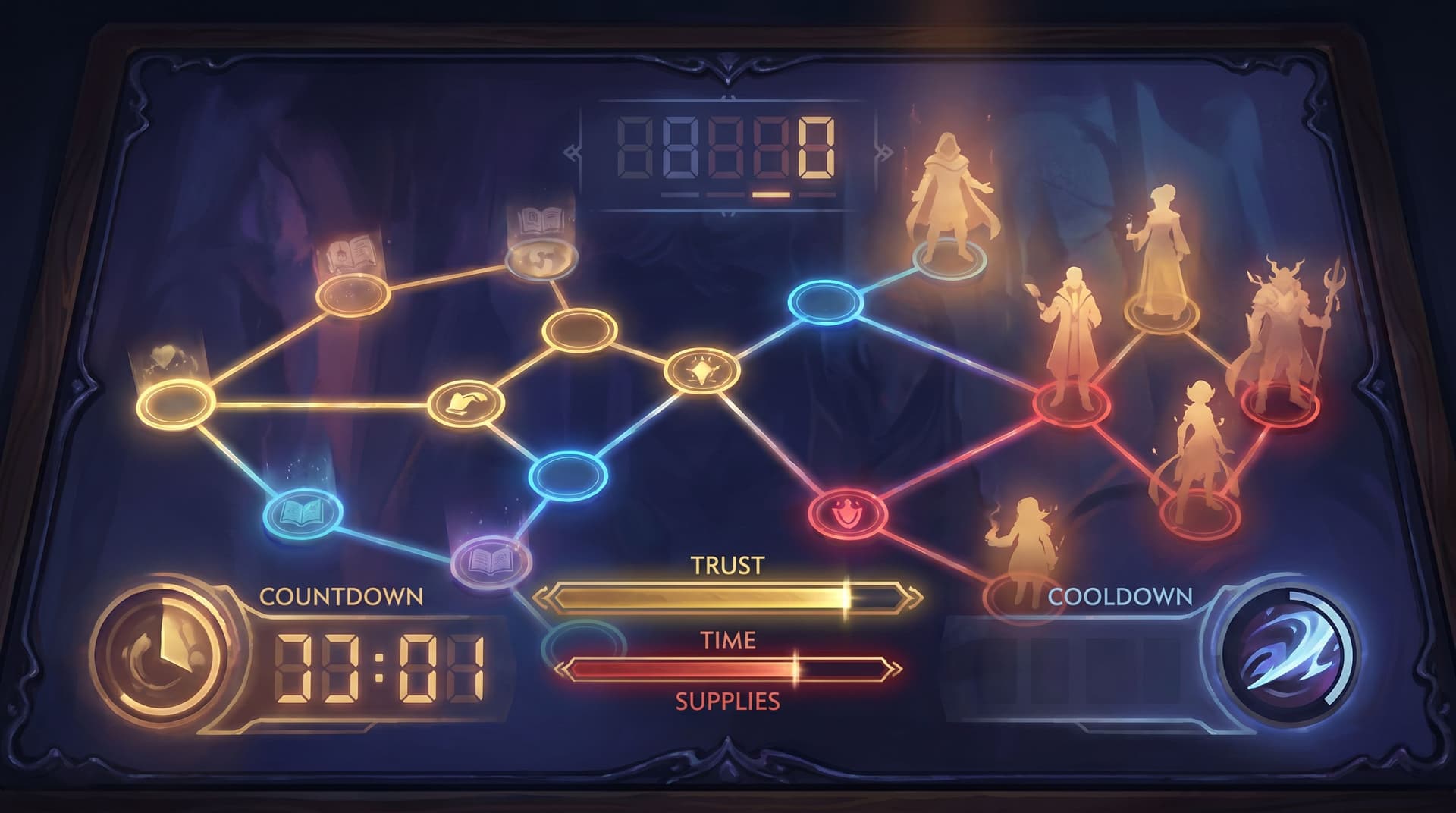
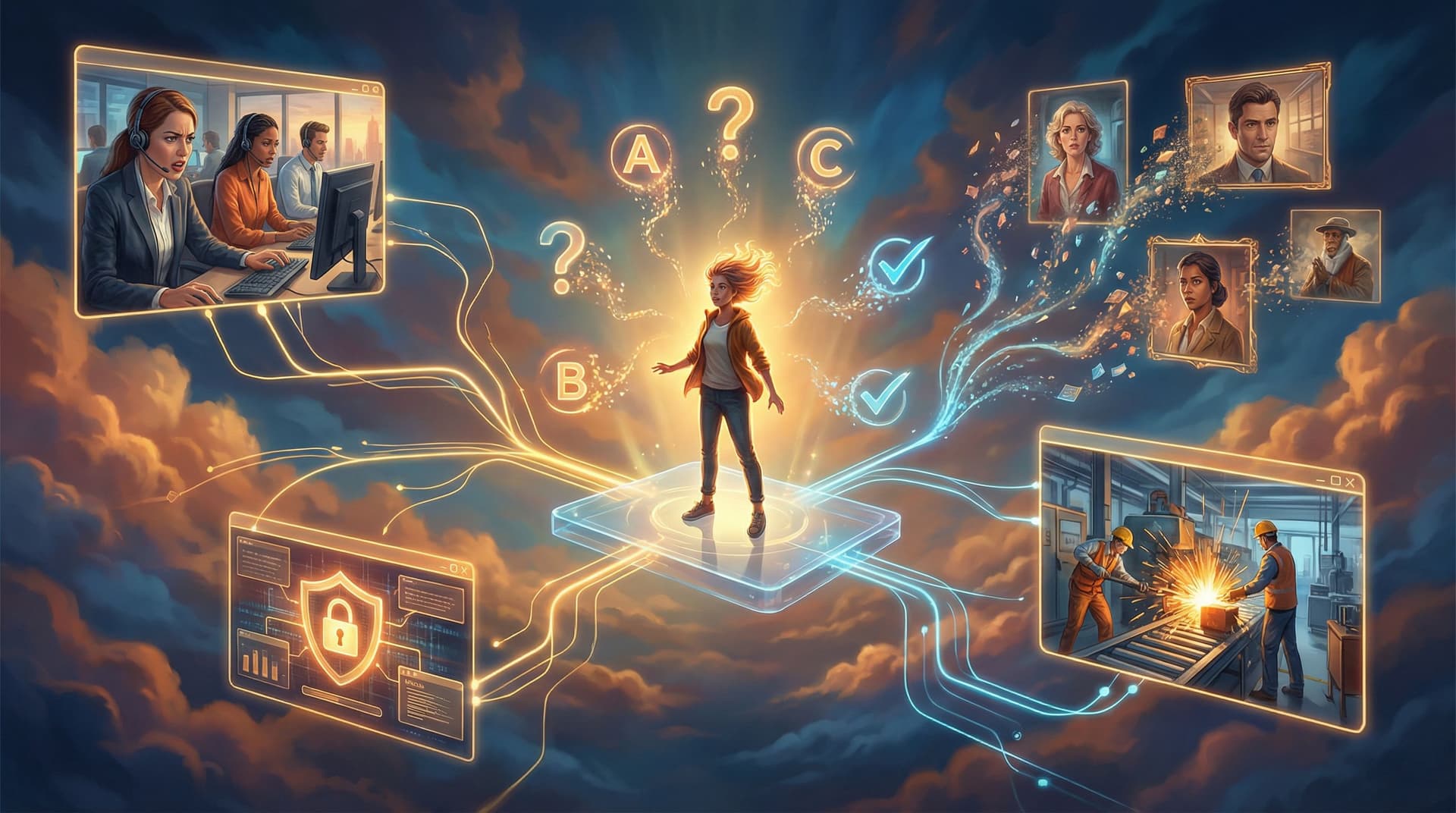
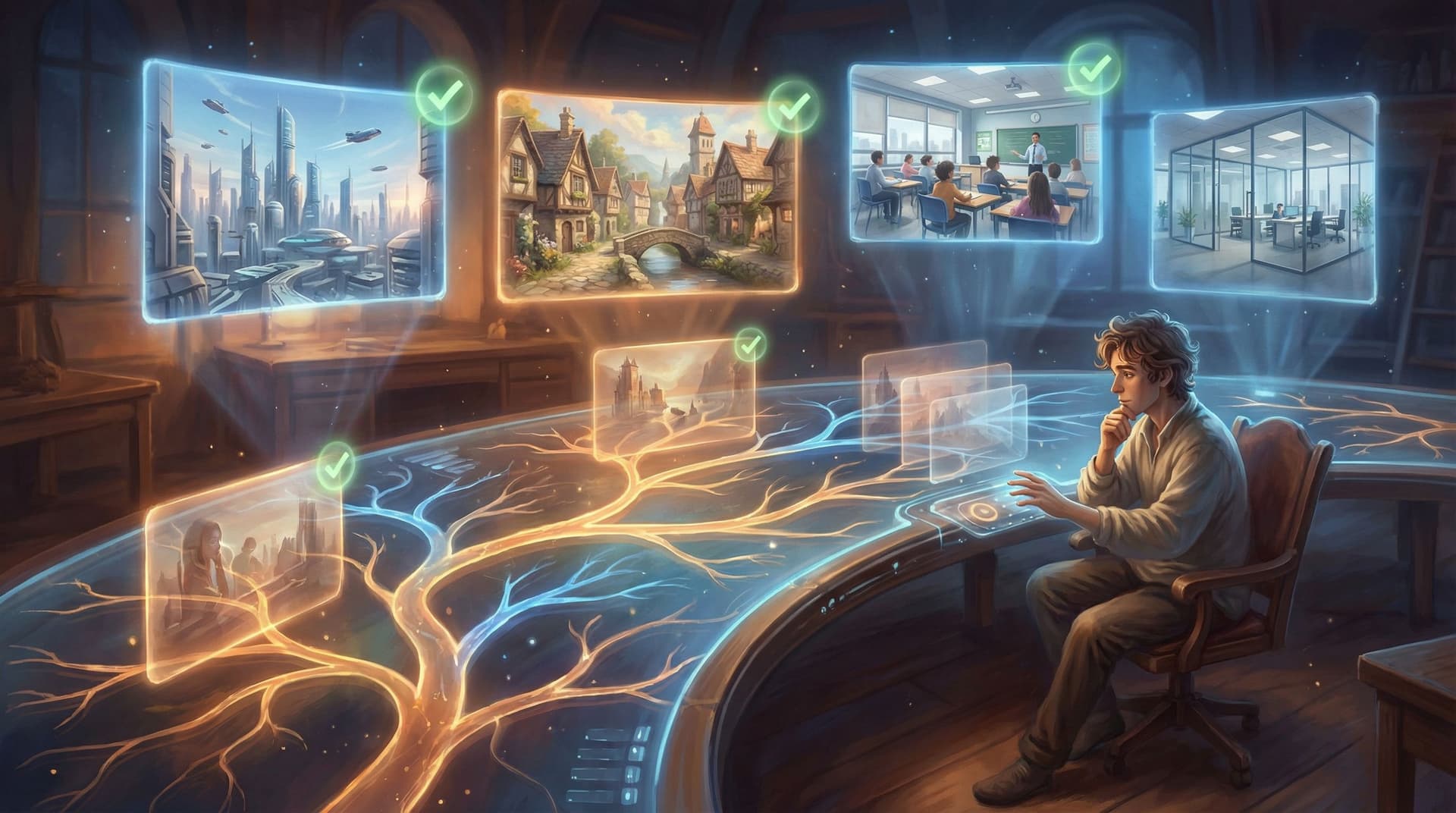
From Safety Drills to Story Thrills: Building High-Stakes Training Scenarios in Questas
Interactive Storytelling
AI Tools

From Safety Drills to Story Thrills: Building High-Stakes Training Scenarios in Questas

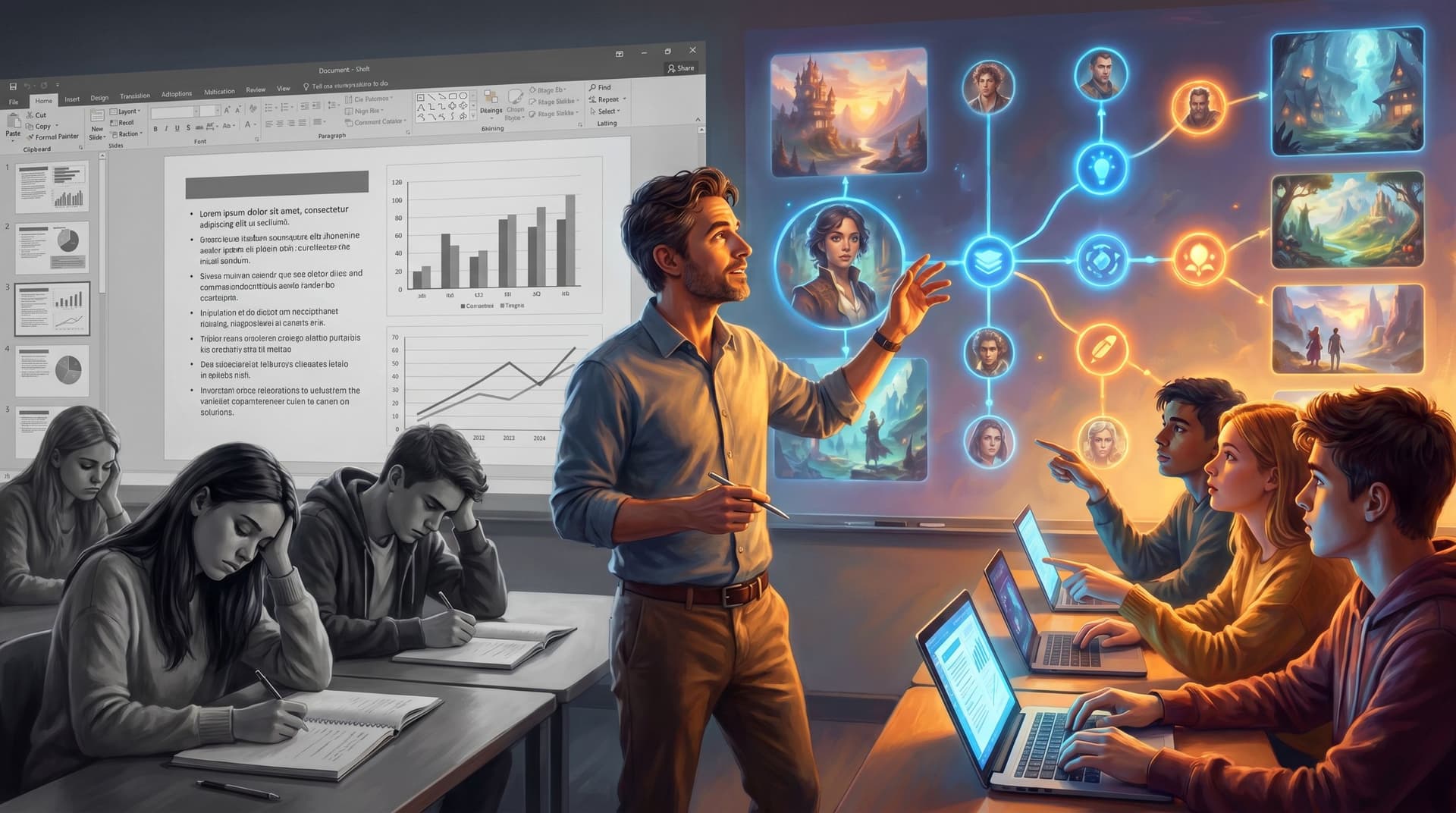
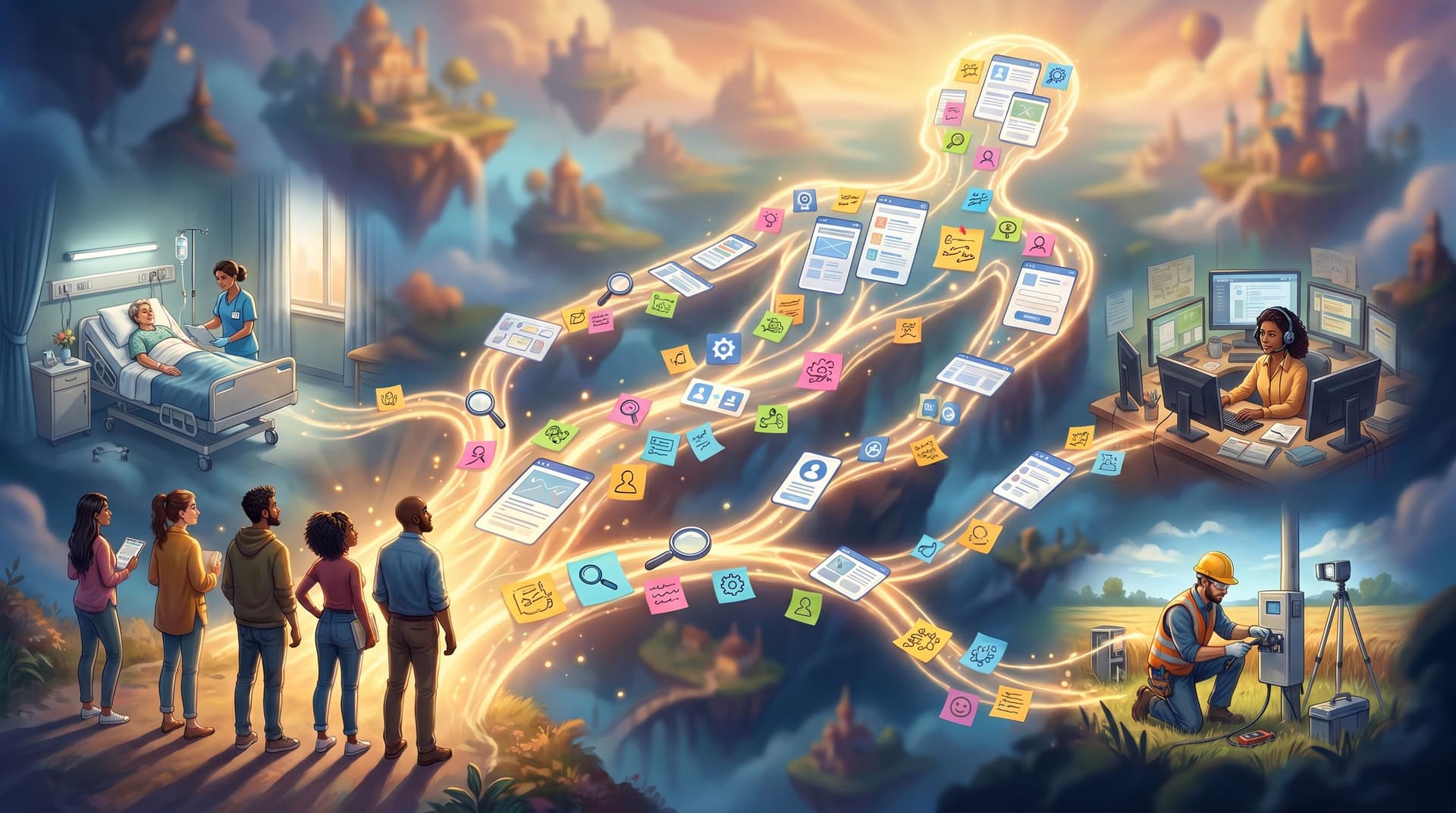
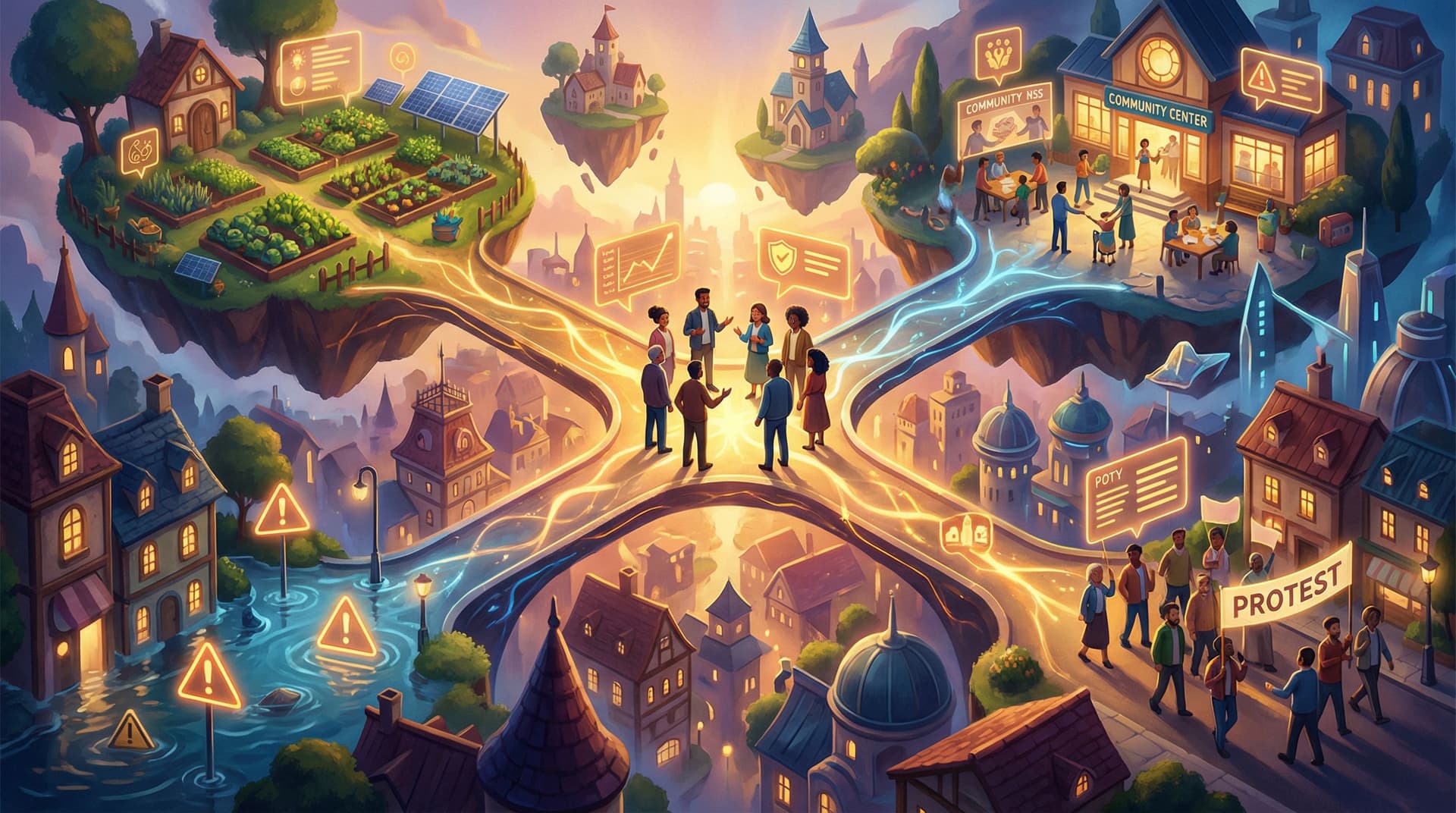
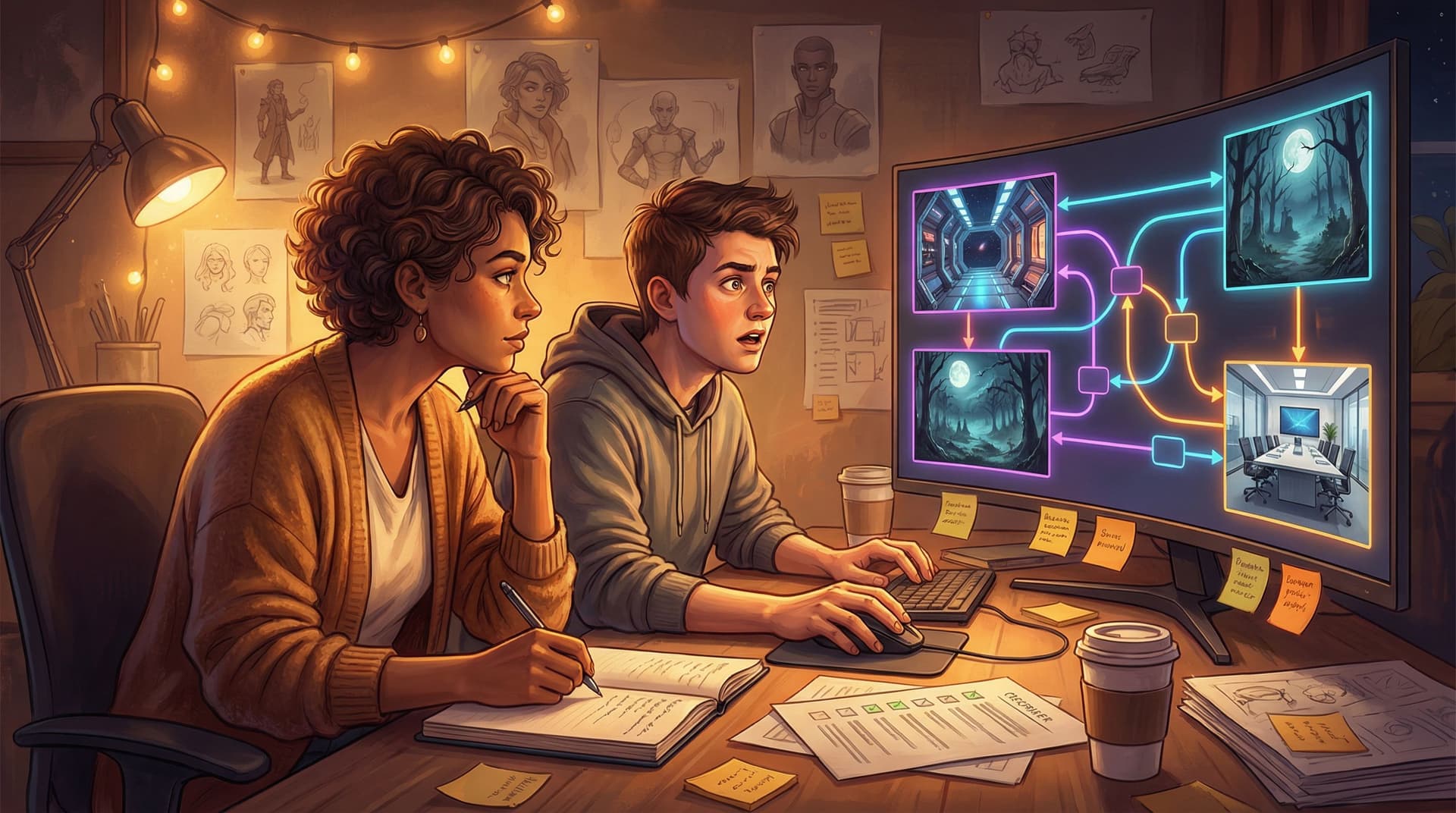
Safety training is supposed to prepare people for the worst days on the job—fires, data breaches, medical emergencies, angry customers, equipment failures. But too often, those trainings feel like box‑checking exercises: slide decks, multiple‑choice quizzes, and once‑a‑year drills everyone forgets a week later. High-stakes scenarios demand more. Interactive, branching stories let people live through critical moments before they happen. They can practice decisions, feel the pressure, and see consequences play out—without putting anyone in harm’s way. That’s where Questas, a web-based platform for building choose‑your‑own‑adventure experiences with AI‑generated visuals, becomes especially powerfu

Team Questas
Team Questas
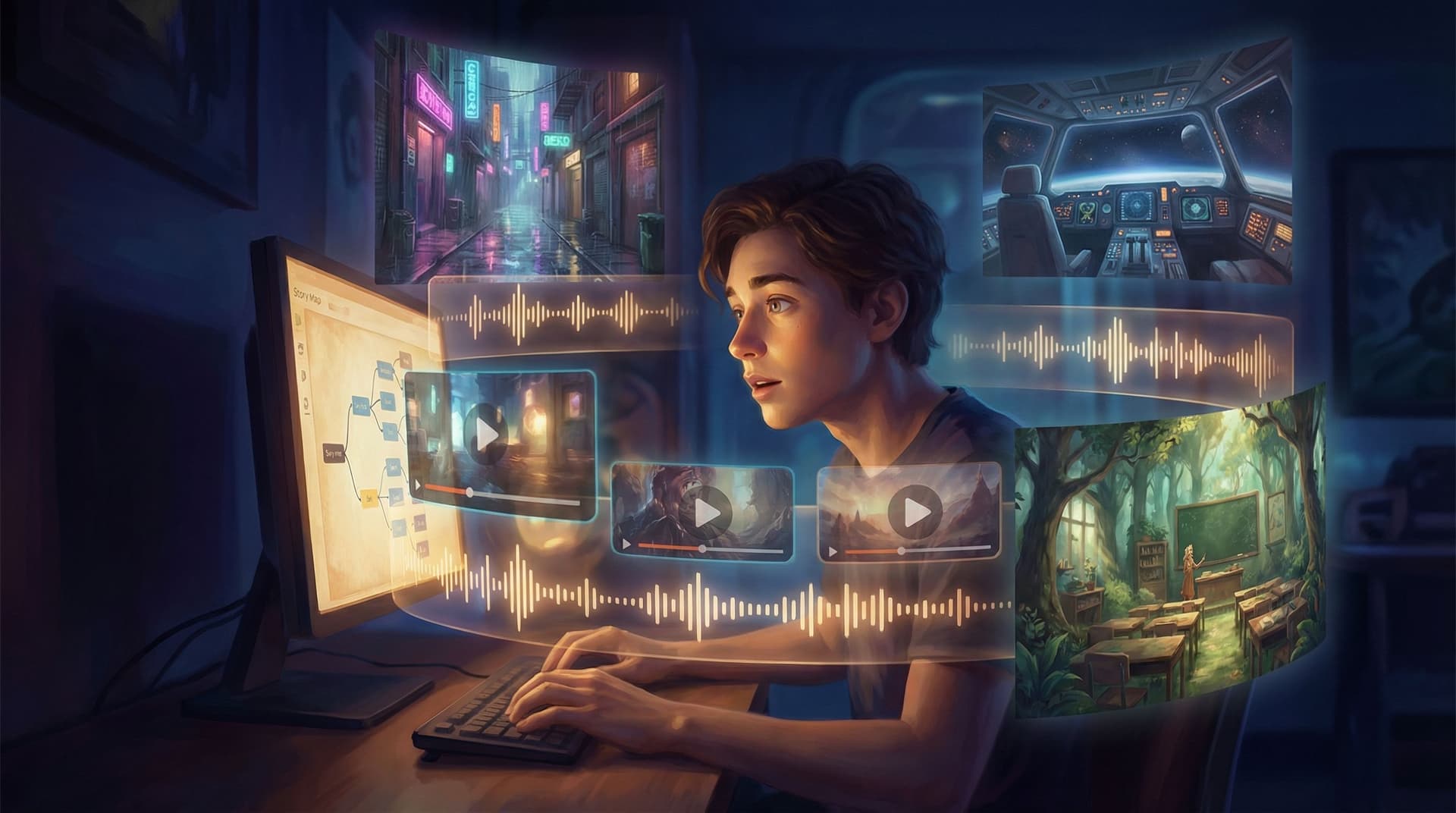
Storytelling with AI Video Loops: How to Use Micro-Cutscenes to Signal Stakes and Consequences in Questas
Interactive Storytelling
AI Tools

Storytelling with AI Video Loops: How to Use Micro-Cutscenes to Signal Stakes and Consequences in Questas

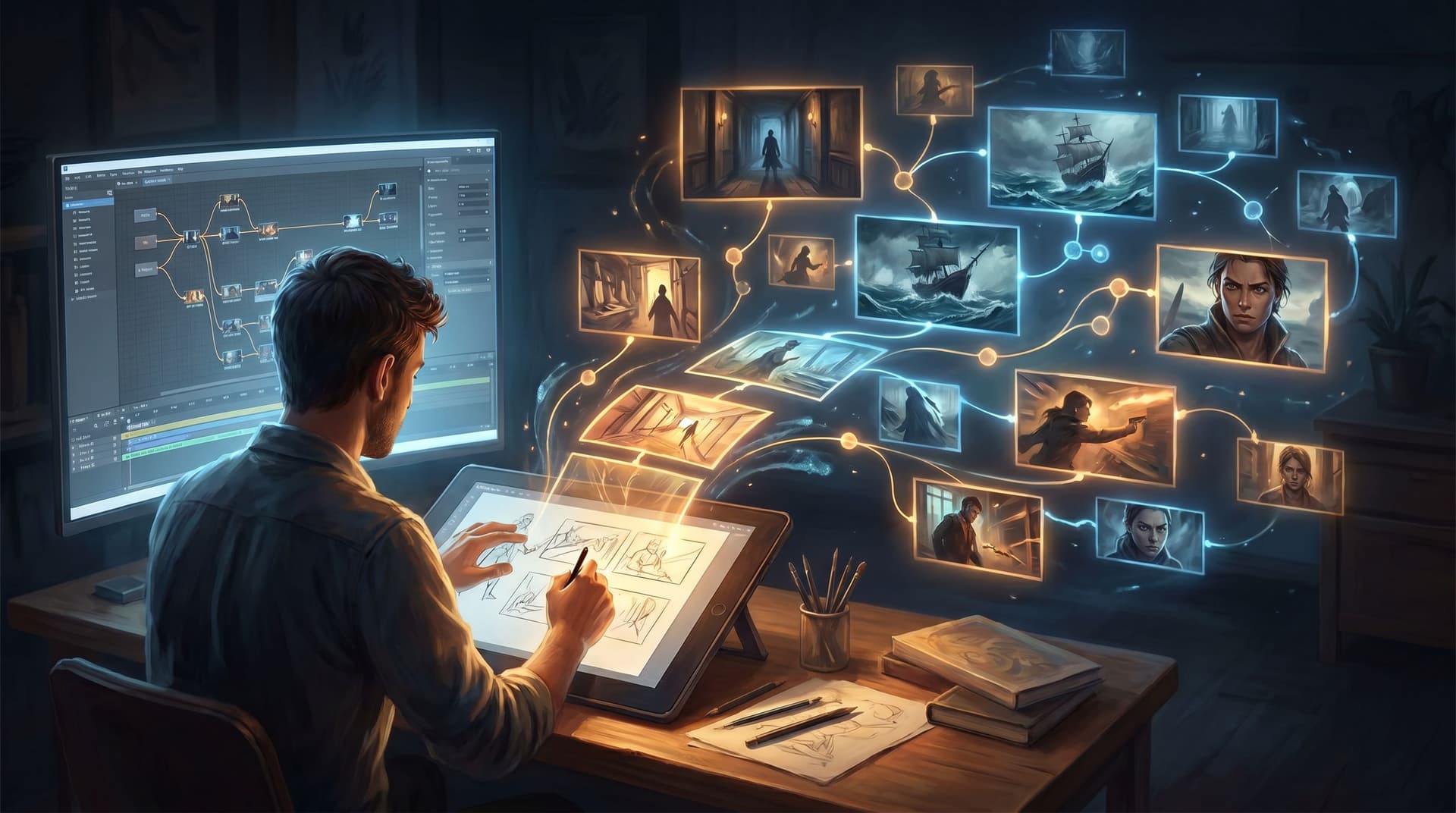
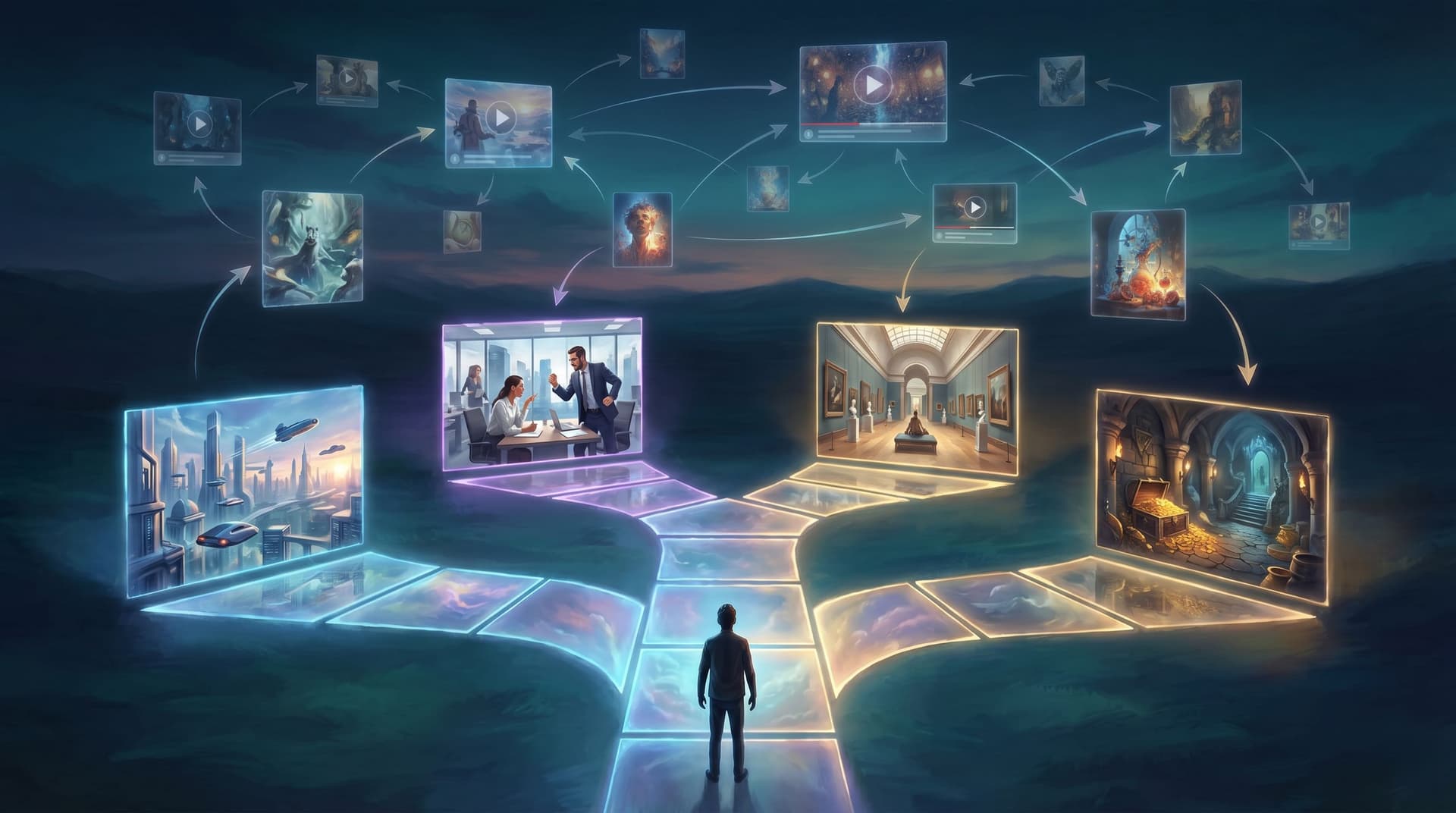
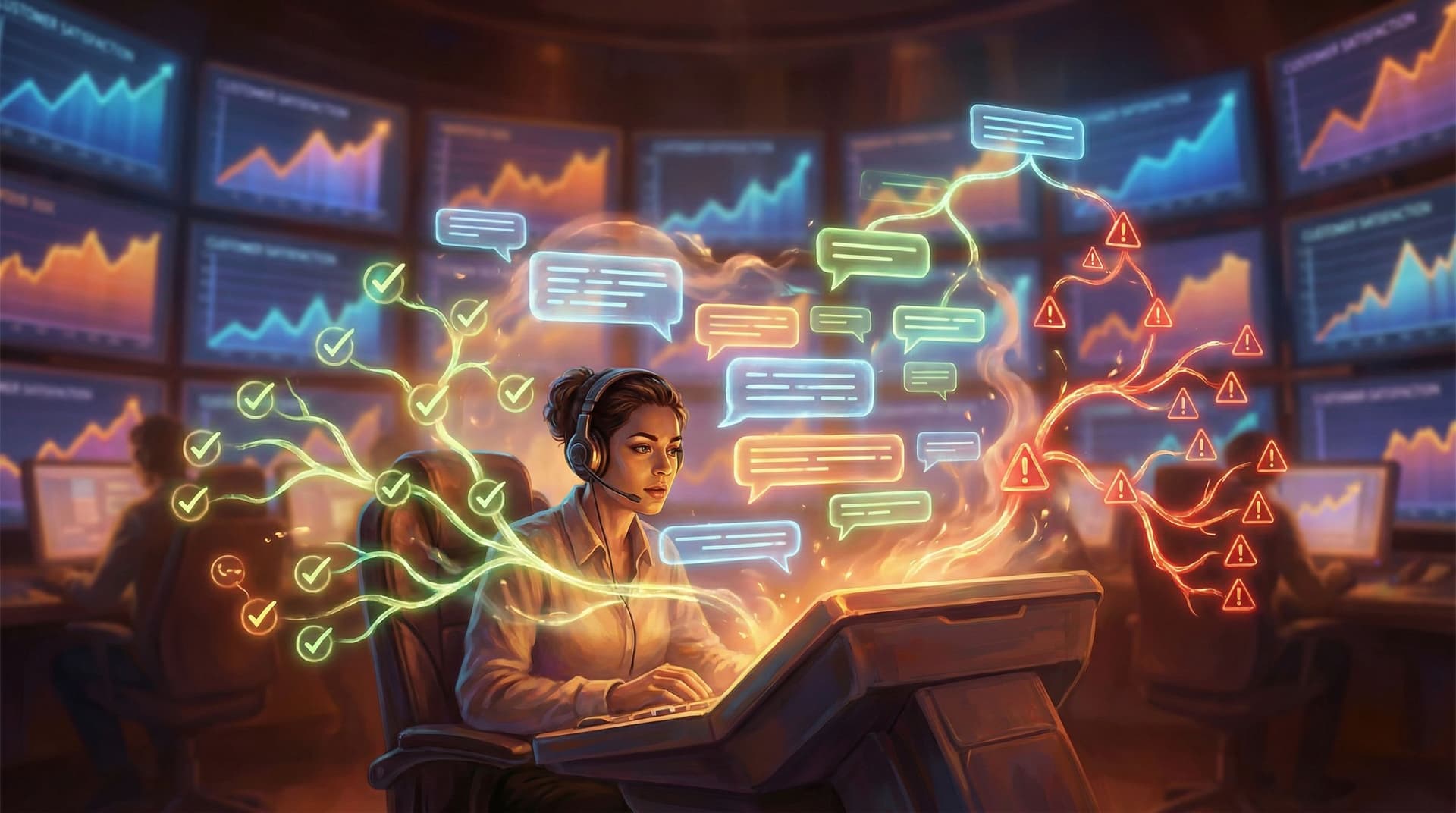
Interactive stories live or die on whether players feel that their choices matter. Words can do some of that work. But when you’re building in Questas, you also have a powerful extra lever: short, looping AI‑generated video—what we’ll call micro‑cutscenes. Used well, these few seconds of motion can: Telegraph danger before a player clicks. Make consequences visceral instead of abstract. Turn a routine branch into a memorable turning point. Used poorly, they can drown your story in visual noise or confuse players about what their decisions actually changed. This guide is all about the first outc

Team Questas
Team Questas
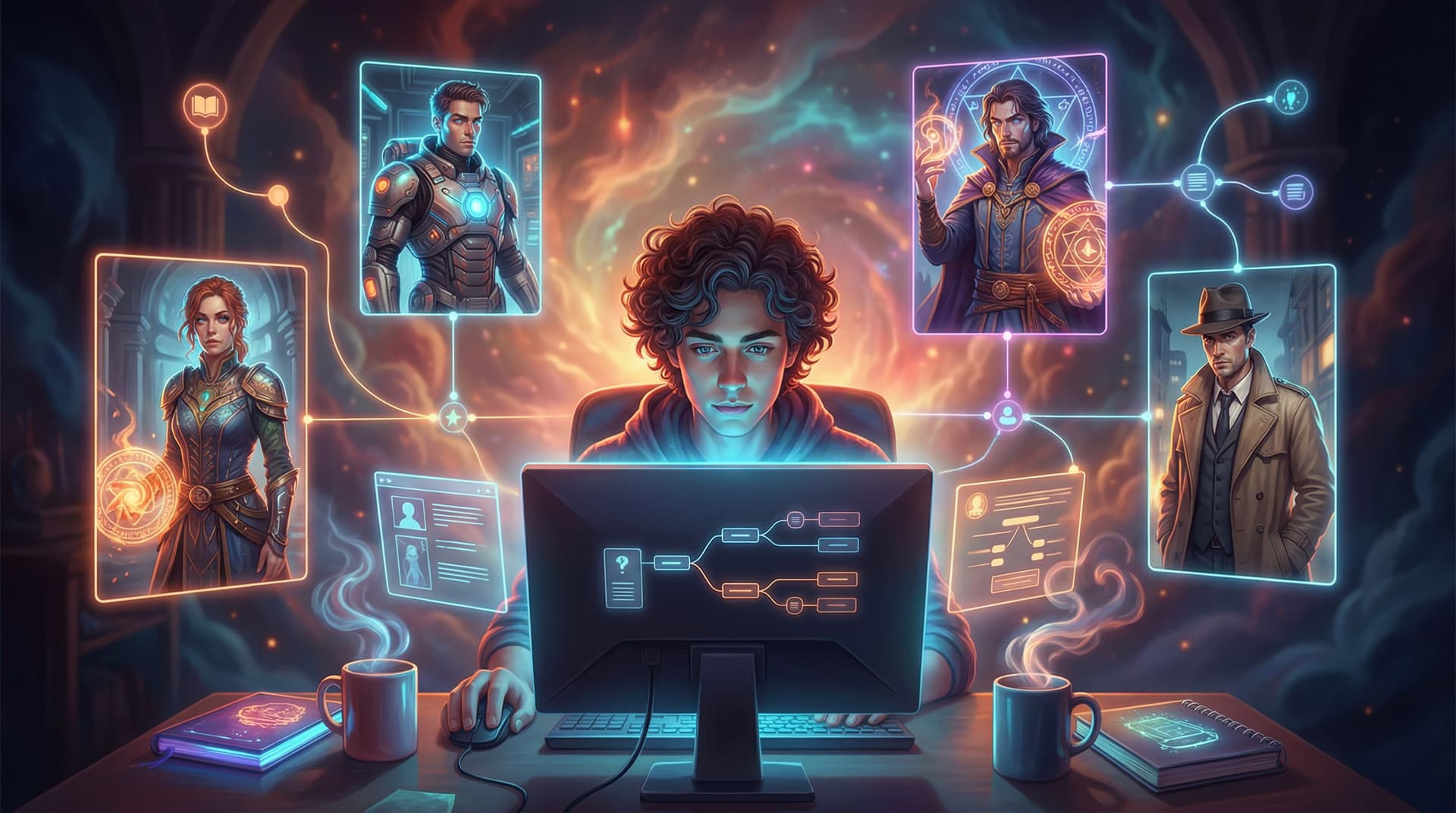
Branching for Busy Minds: Micro-Learning and Just‑in‑Time Training Scenarios Built in Questas
Interactive Storytelling
AI Tools

Branching for Busy Minds: Micro-Learning and Just‑in‑Time Training Scenarios Built in Questas

Most people don’t have an hour for training. They have five minutes between meetings. They have the elevator ride before a client call. They have the moment right before they try a new workflow and think, “Wait, how does this actually go?” That’s where micro-learning and just‑in‑time training shine—and where branching scenarios built in Questas can quietly transform how your team, students, or customers learn

Team Questas
Team Questas
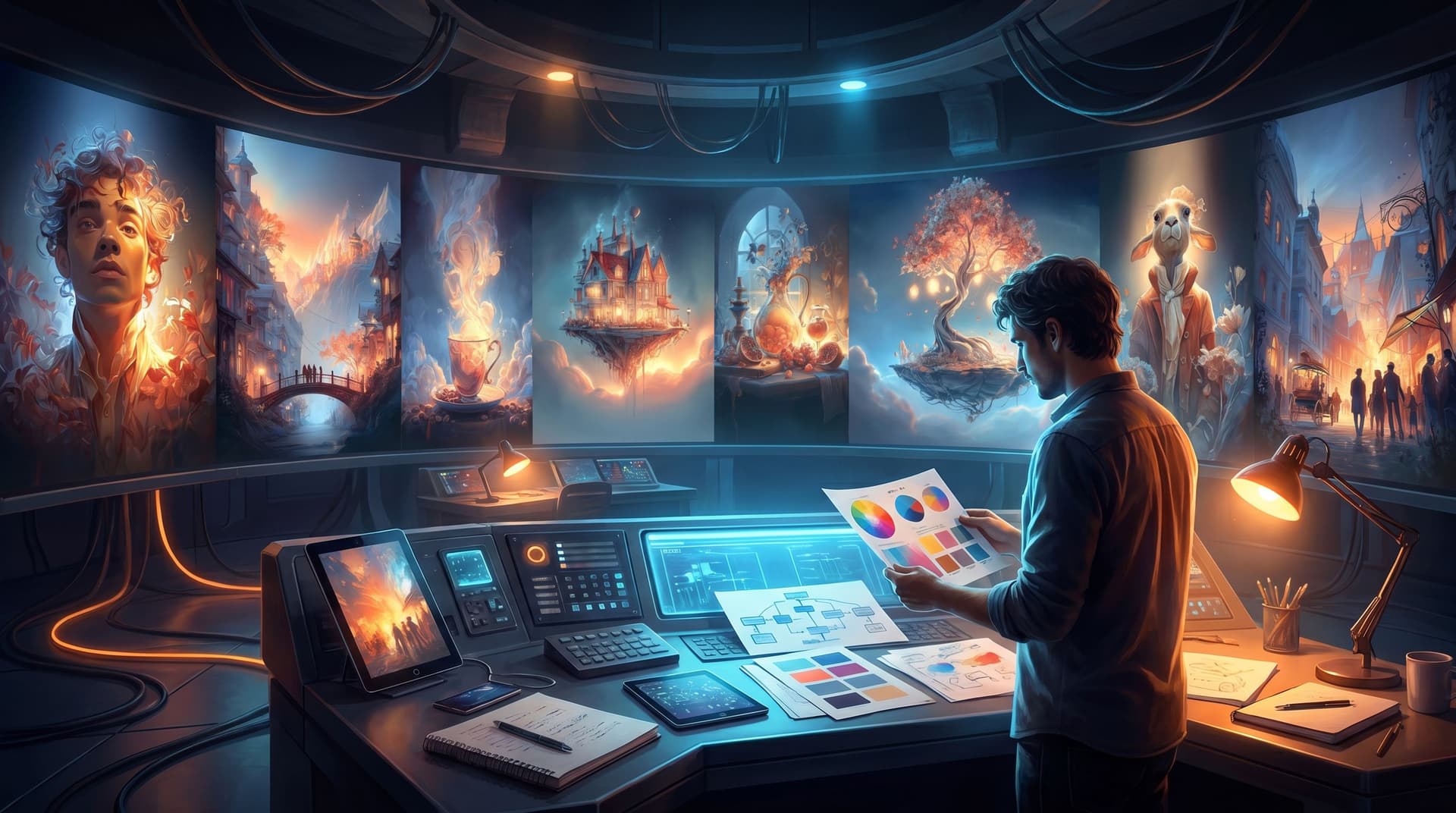
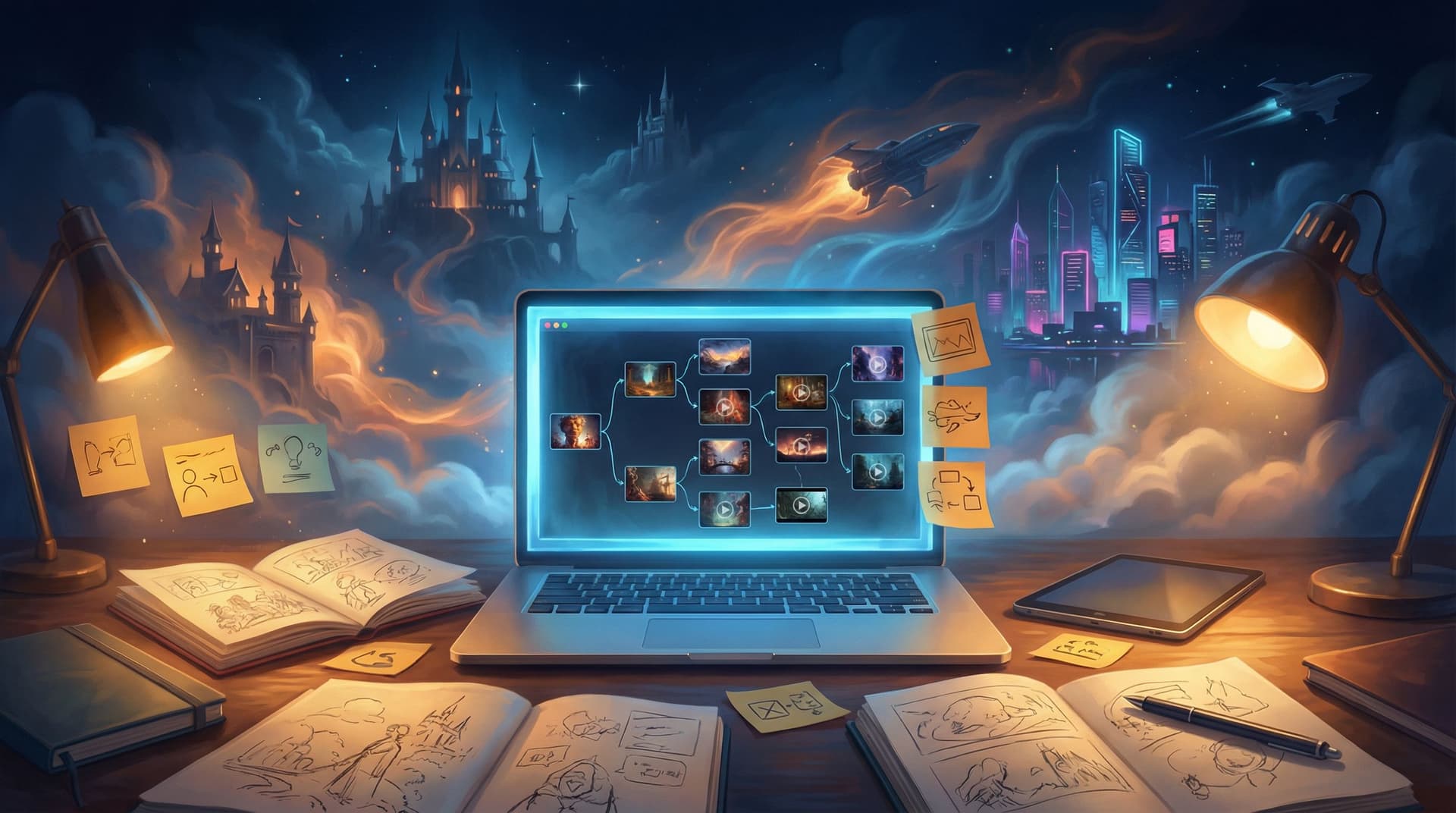
AI Visual Styles 101: Matching Your Questas Imagery to Genre, Tone, and Audience
Interactive Storytelling
AI Tools

AI Visual Styles 101: Matching Your Questas Imagery to Genre, Tone, and Audience

Great interactive stories don’t just branch—they look like they belong together. When you’re building a choose‑your‑own‑adventure in Questas, your AI-generated images and videos do a lot of heavy lifting: They signal genre before a single line of dialogue. They set expectations for tone—silly, solemn, eerie, epic. They tell different audiences, “This is (or isn’t) for you.” Get that visual style wrong, and even a well‑written story can feel confusing or off‑brand. Get it right, and your players feel like they’ve stepped into a coherent world, no matter which branch they take. This guide walks through how to match your Questas imagery to genre, tone, and audience—so your visuals amplify your story instead of fighting i

Team Questas
Team Questas
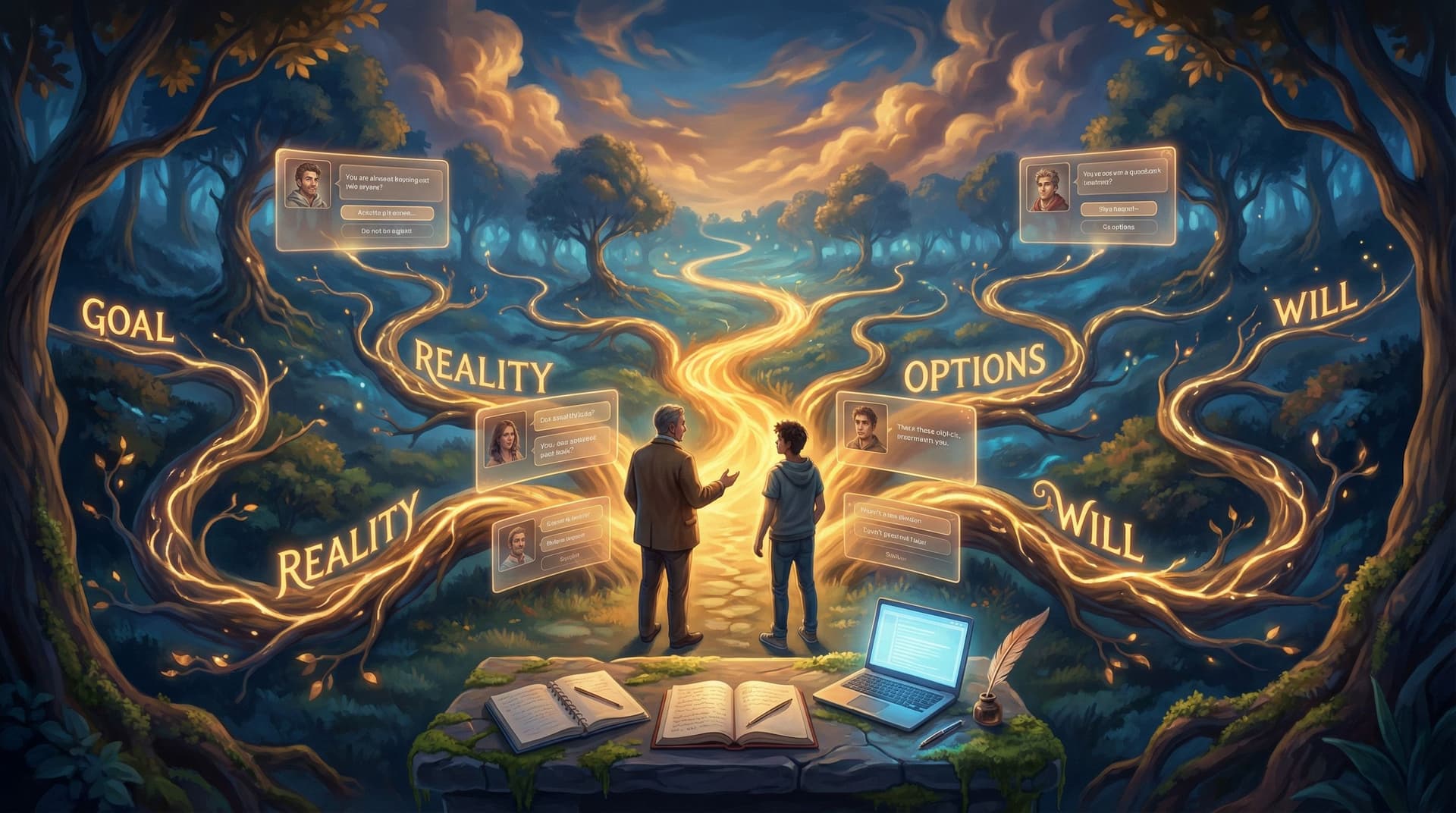
Beyond Gamification: What Learning Science Can Teach Us About Better Branching Stories
Interactive Storytelling
AI Tools

Beyond Gamification: What Learning Science Can Teach Us About Better Branching Stories

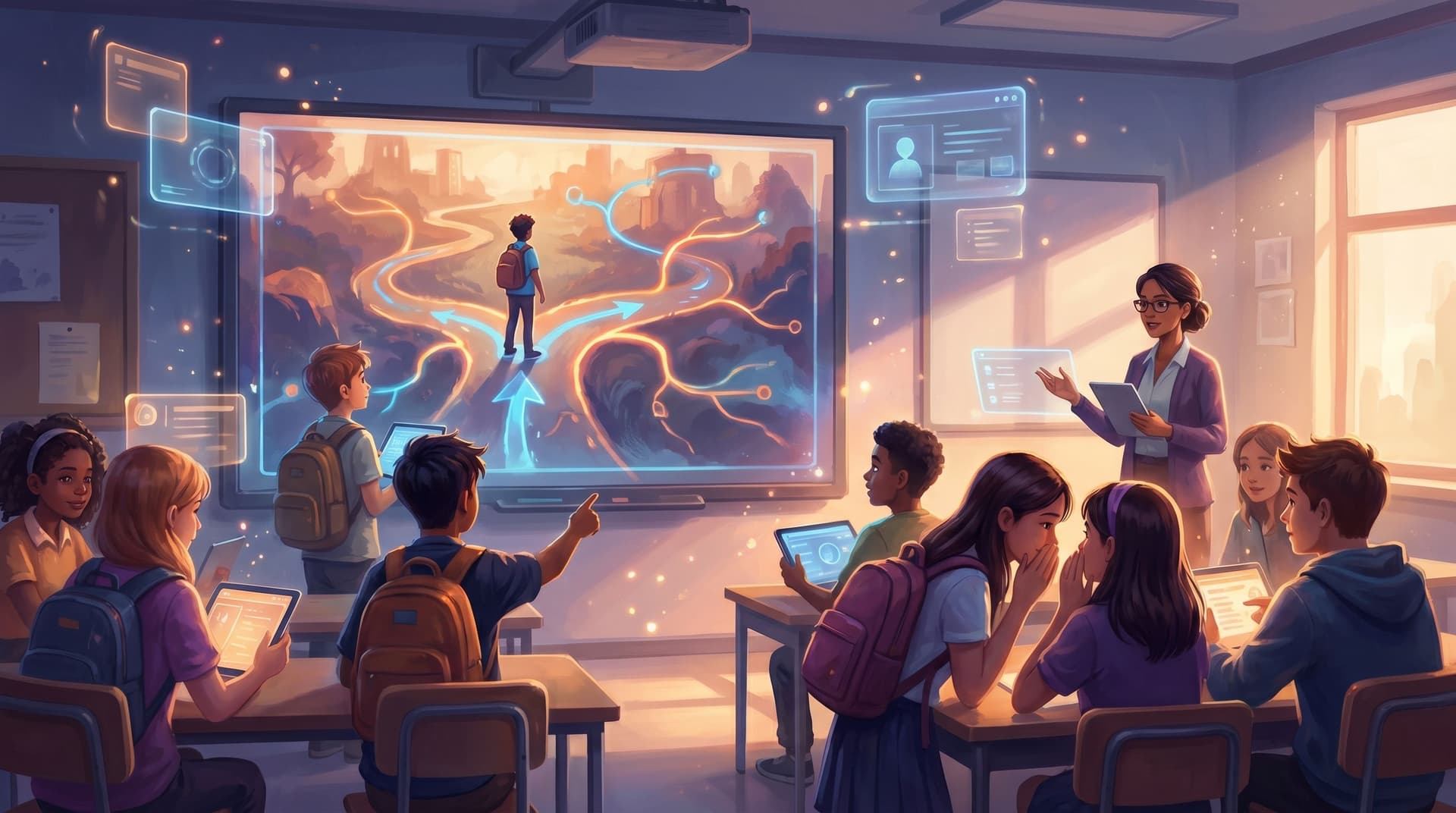
Interactive stories are everywhere: training simulations, language apps, onboarding flows, museum exhibits, even marketing campaigns. But too many branching stories still lean on shallow tricks—points, badges, and “gotcha” endings—rather than real learning. Learning science offers a richer playbook. When you borrow from how people actually absorb, retain, and apply knowledge, your branching stories stop feeling like novelty toys and start working like memorable experiences—whether you’re designing a classroom scenario, a sales role‑play, or a narrative game built with Questas. This post digs into what learning science can teach us about better branching design, and how to apply those ideas right aw

Team Questas
Team Questas
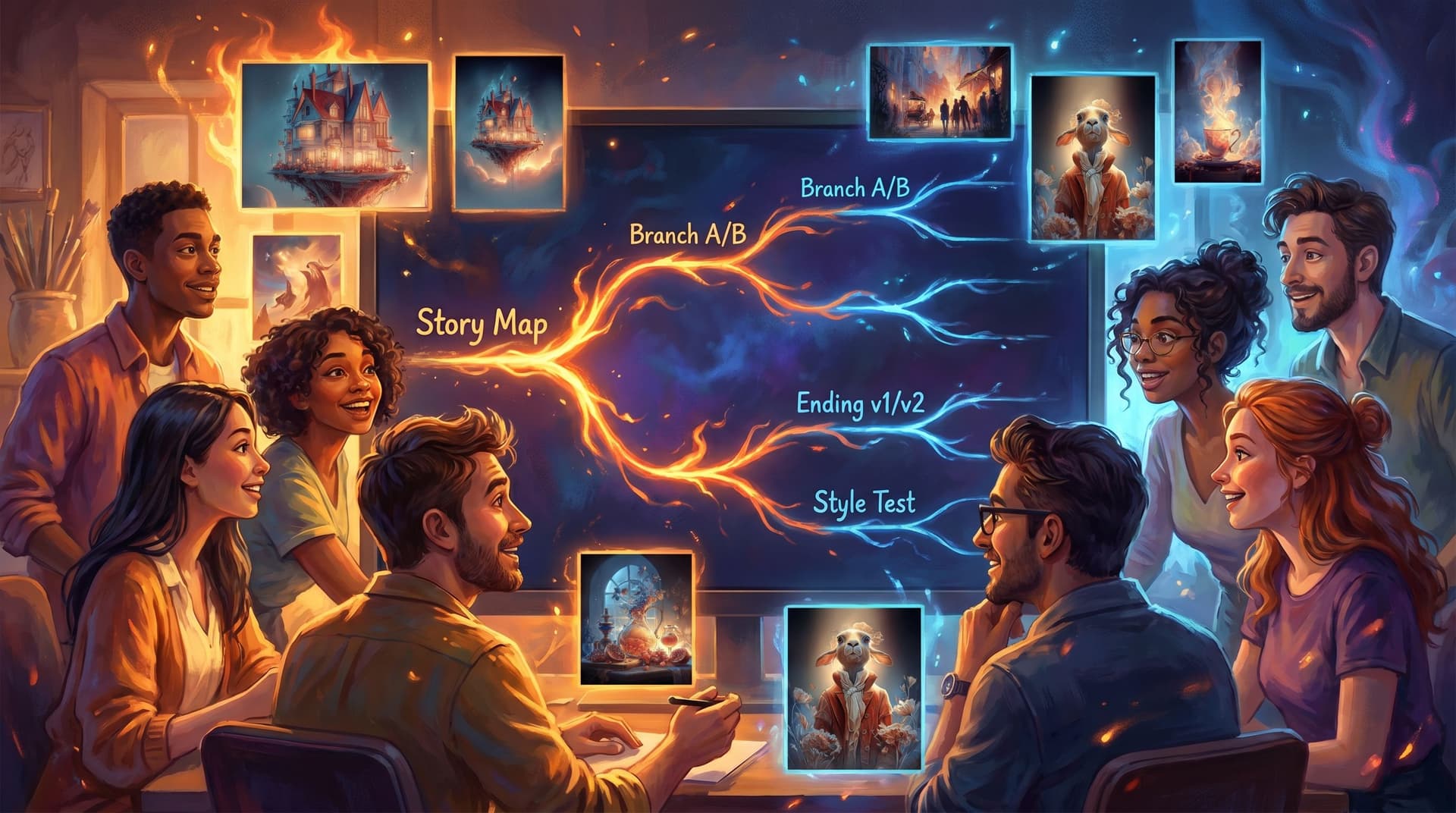
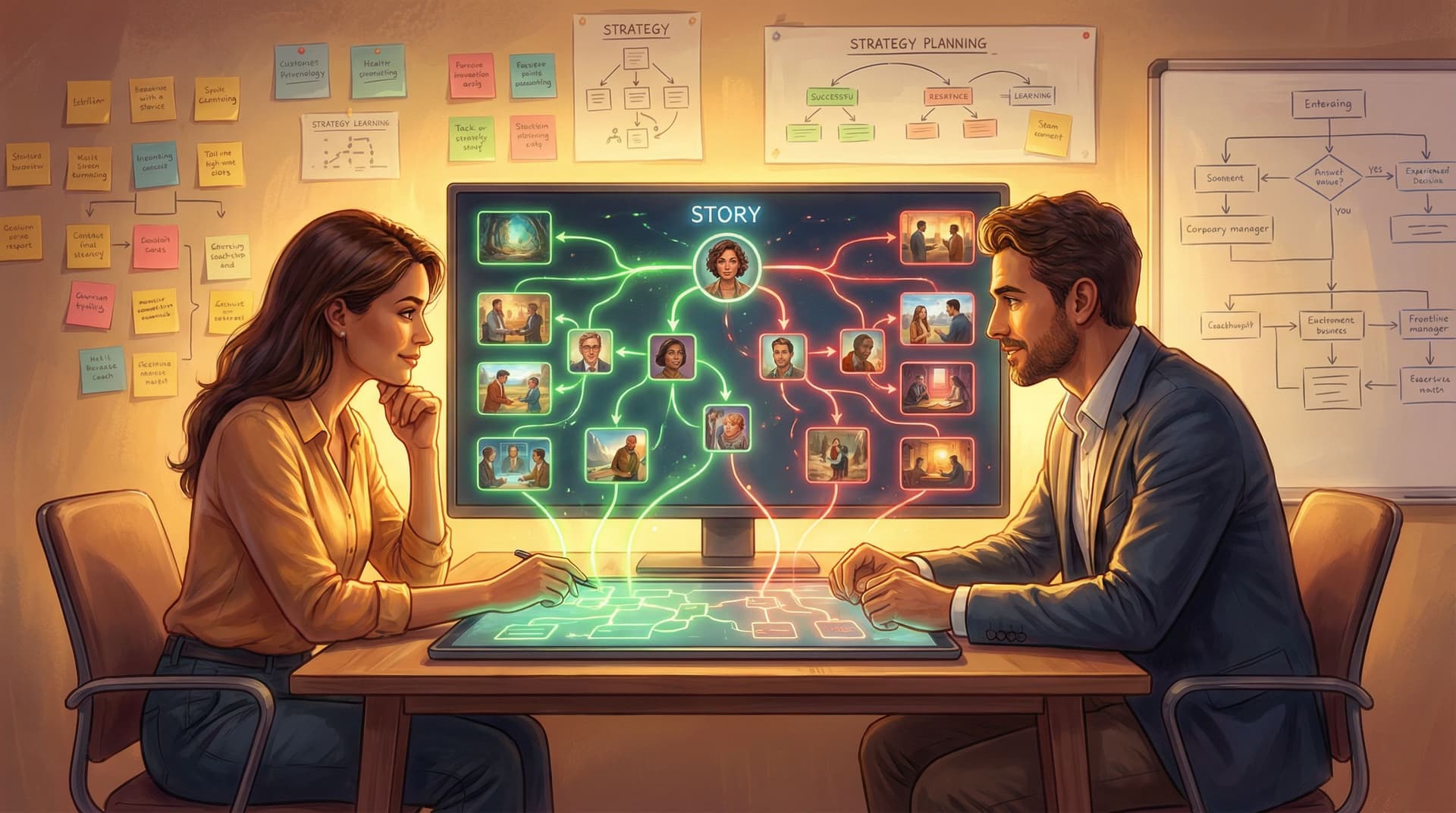
The New Writer’s Room: Running Collaborative Story Jams and Hackathons with Questas
Interactive Storytelling
AI Tools

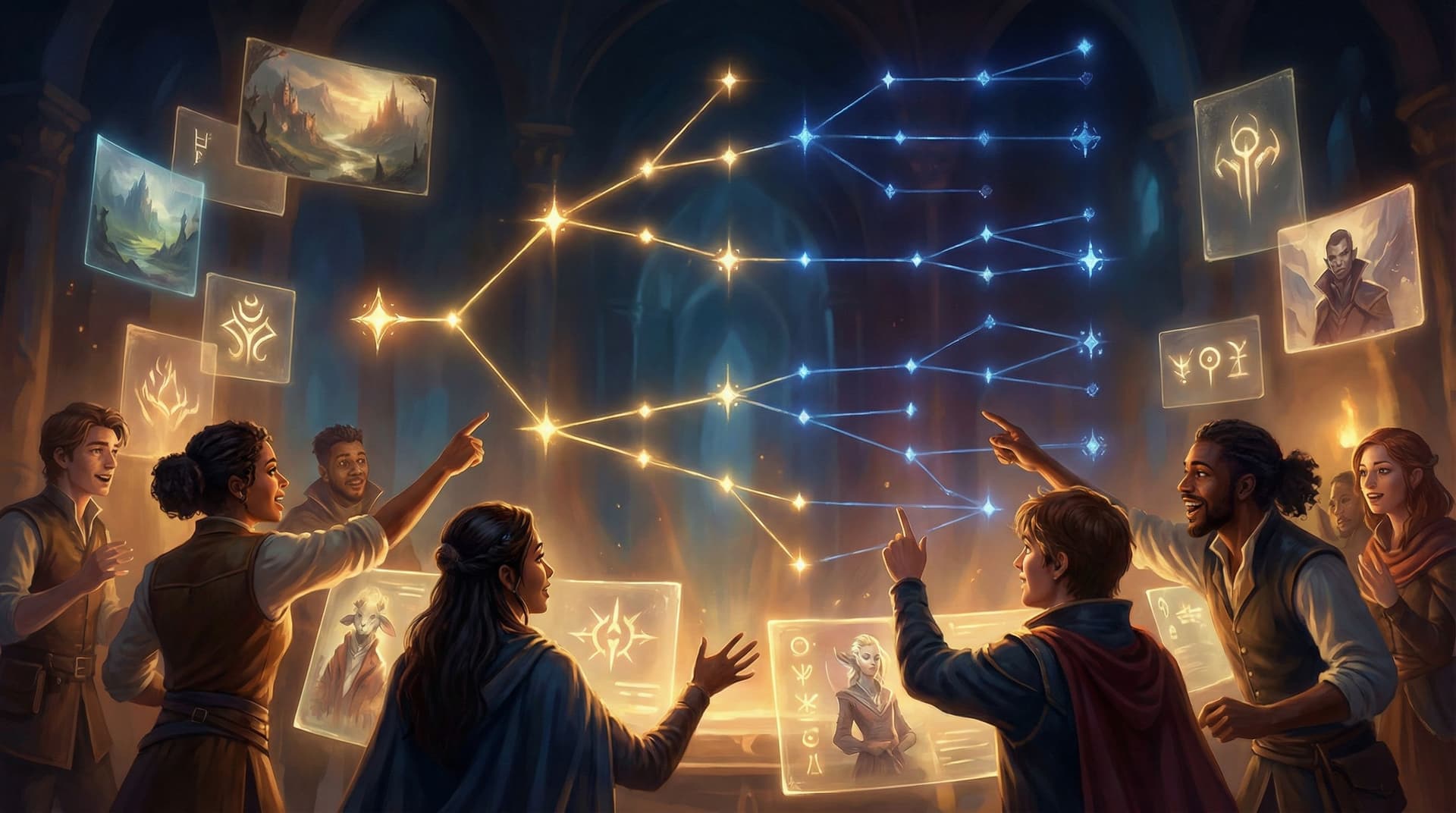
The New Writer’s Room: Running Collaborative Story Jams and Hackathons with Questas

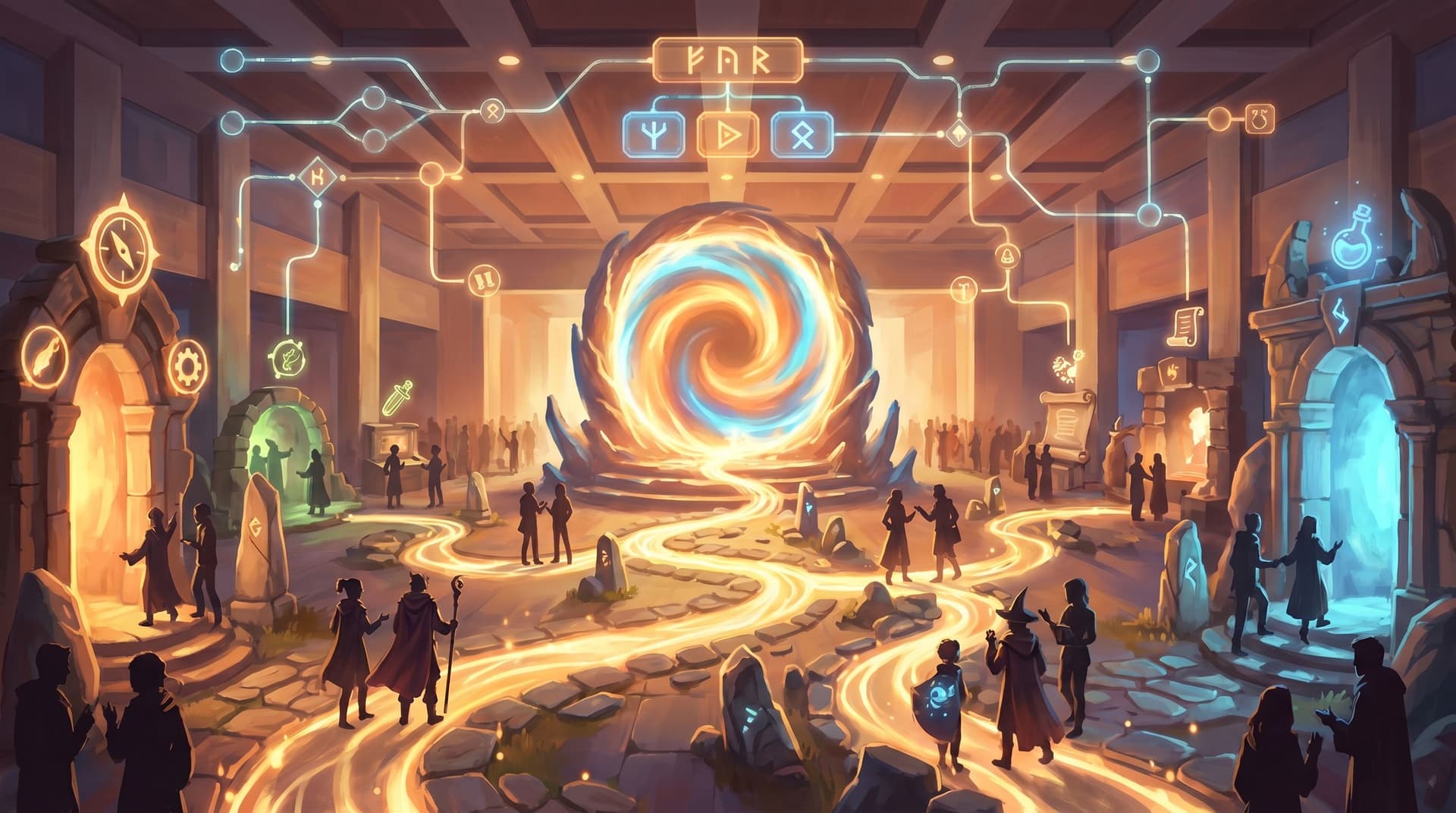
Writers’ rooms used to be physical places: a whiteboard, a stack of index cards, and a group of creatives arguing (lovingly) about what happens next. Now, teams are recreating that energy online—only this time, they’re not just plotting TV episodes. They’re building branching story worlds, training scenarios, classroom simulations, brand experiences, and fan-made epics. And they’re doing it together in compressed bursts of time: story jams, sprints, and full-on hackathons. That’s where Questas shines. Its visual, no-code editor and AI-generated images and video make it an ideal playground for collaborative experiments. A group can go from blank canvas to playable, illustrated story in a single afternoo

Team Questas
Team Questas
Interactive Onboarding 101: Turning User Manuals, FAQs, and Tutorials into Questas Journeys
Interactive Storytelling
AI Tools

Interactive Onboarding 101: Turning User Manuals, FAQs, and Tutorials into Questas Journeys

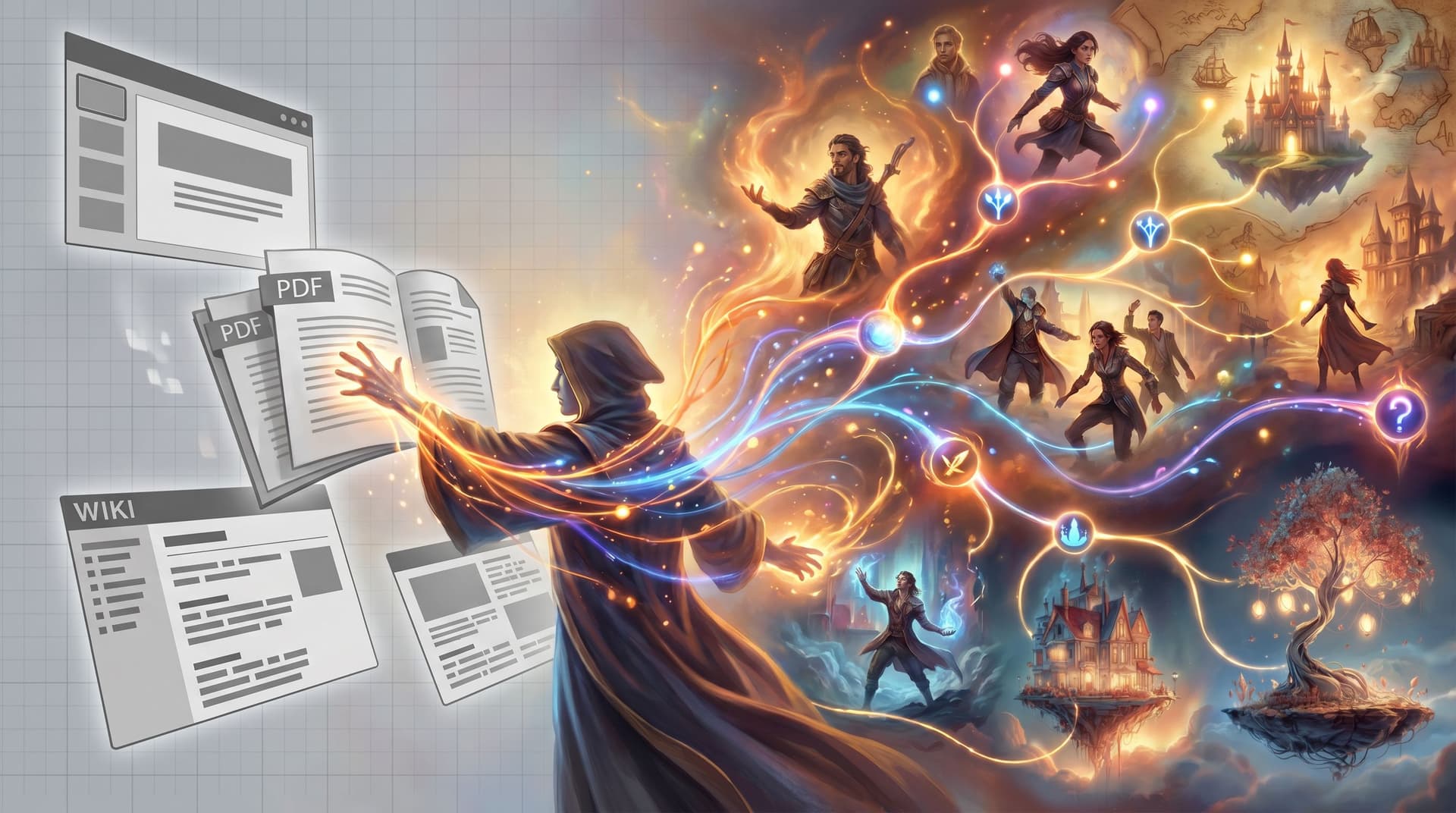
Traditional onboarding content has a problem: it’s built to be read, not lived. User manuals, FAQ pages, and how‑to tutorials are essential, but they’re also where attention goes to die. People skim, search for one keyword, or bounce the moment they feel overwhelmed. That’s a huge missed opportunity—especially when you’re trying to help someone master a product, process, or service. Interactive stories change that equation. With Questas, you can turn static documentation into branching, visual journeys where users play through onboarding instead of passively reading it. They make decisions, see consequences, and get just‑in‑time explanations tailored to what they actually

Team Questas
Team Questas
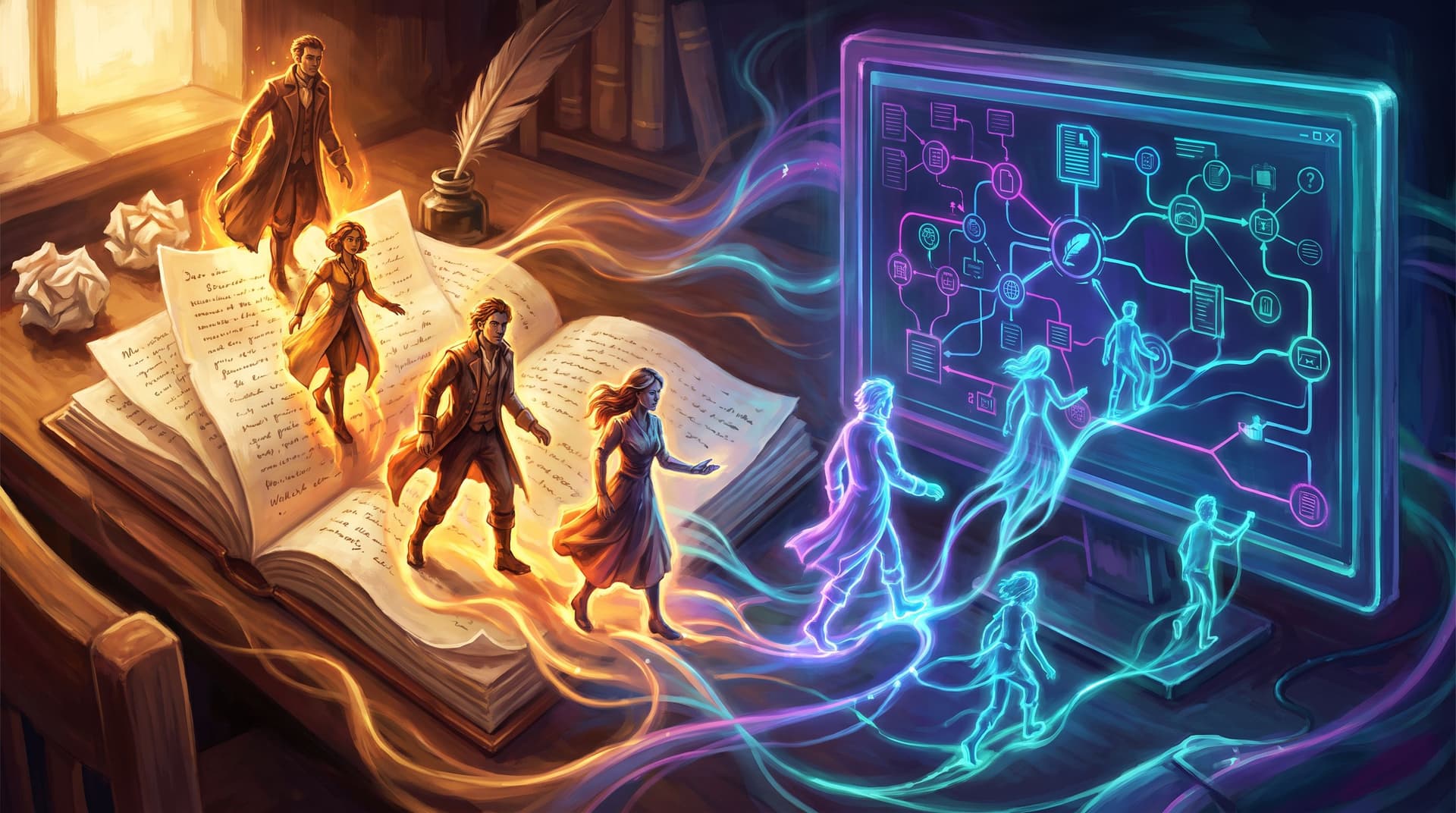
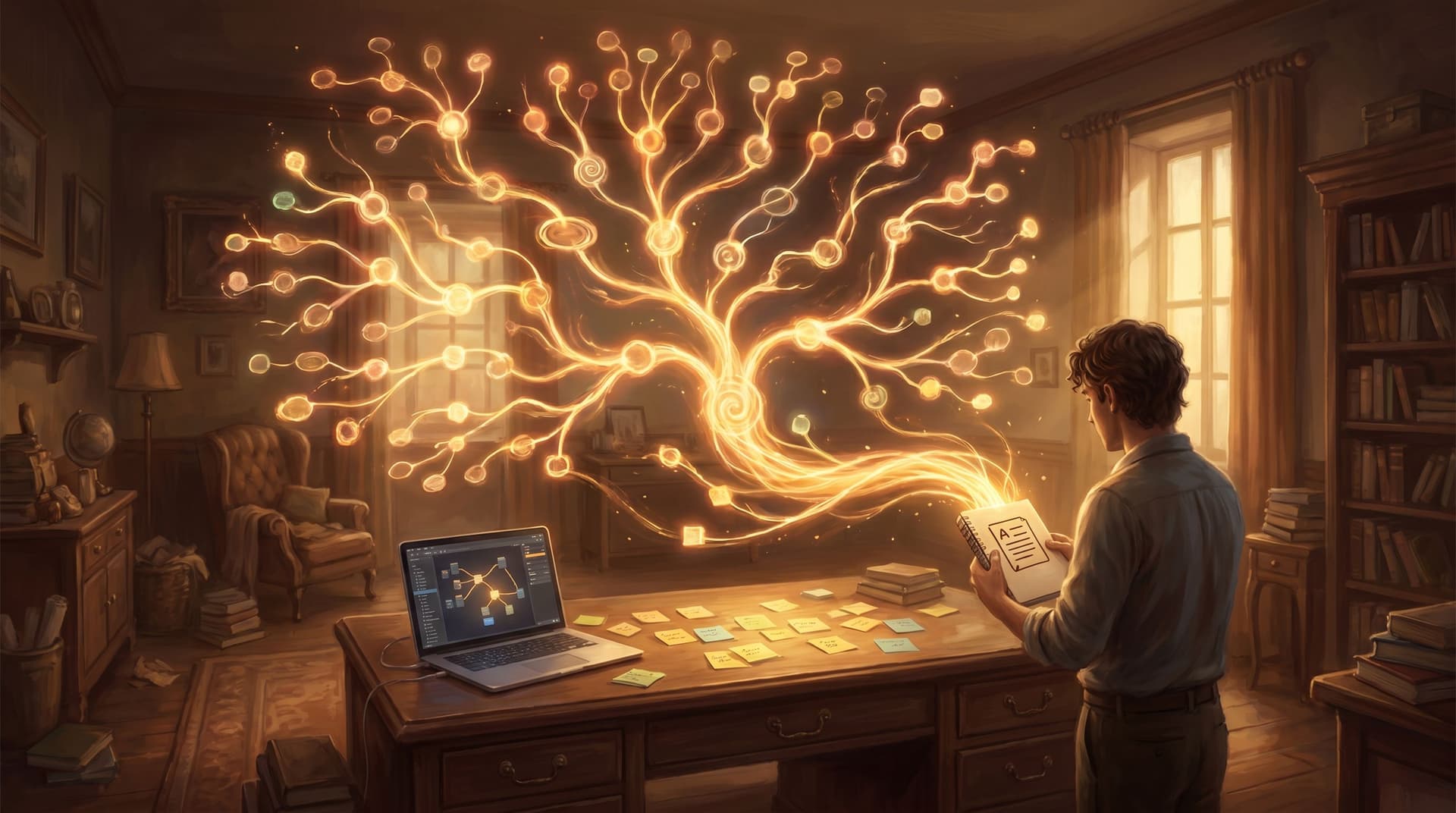
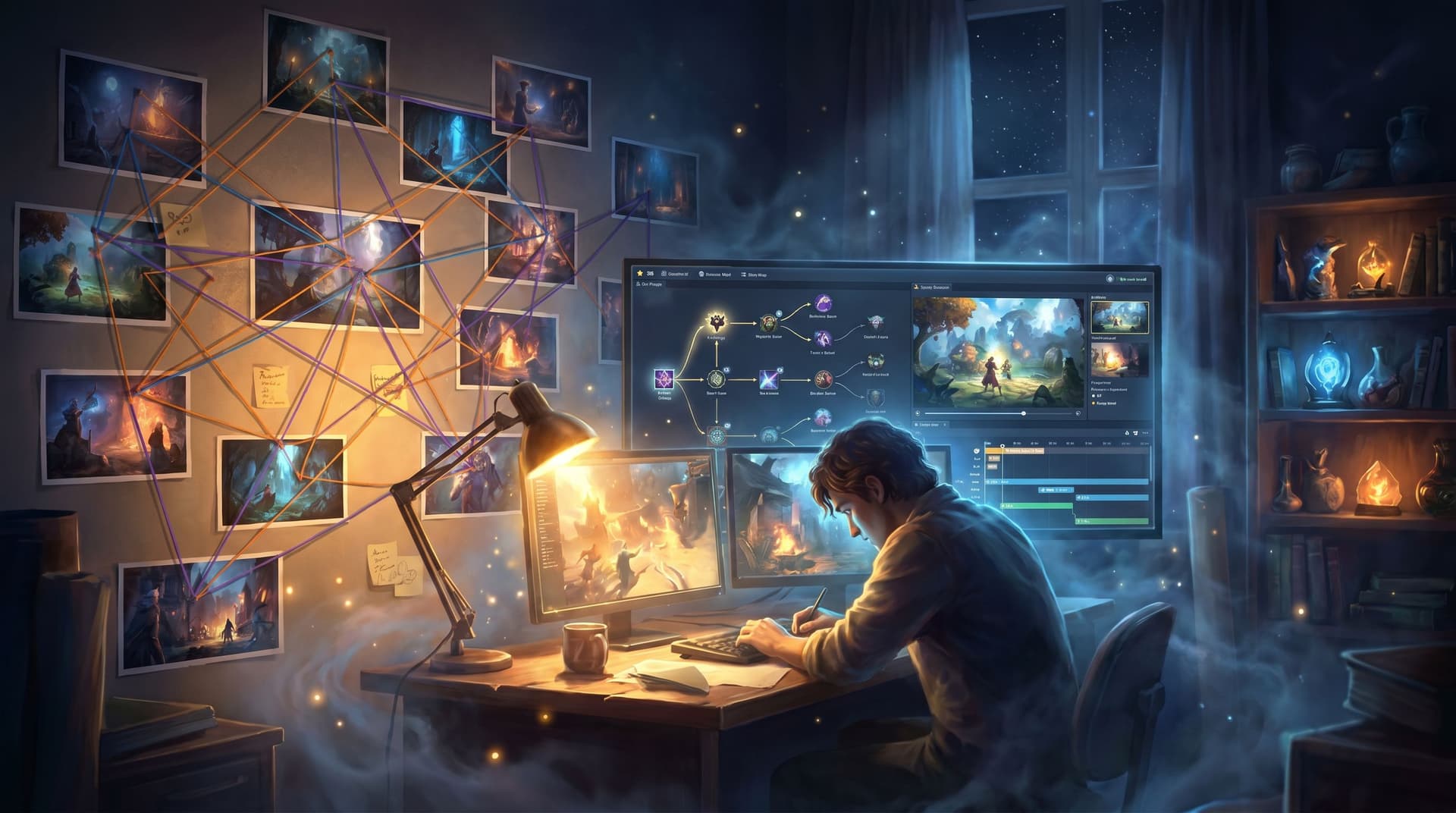
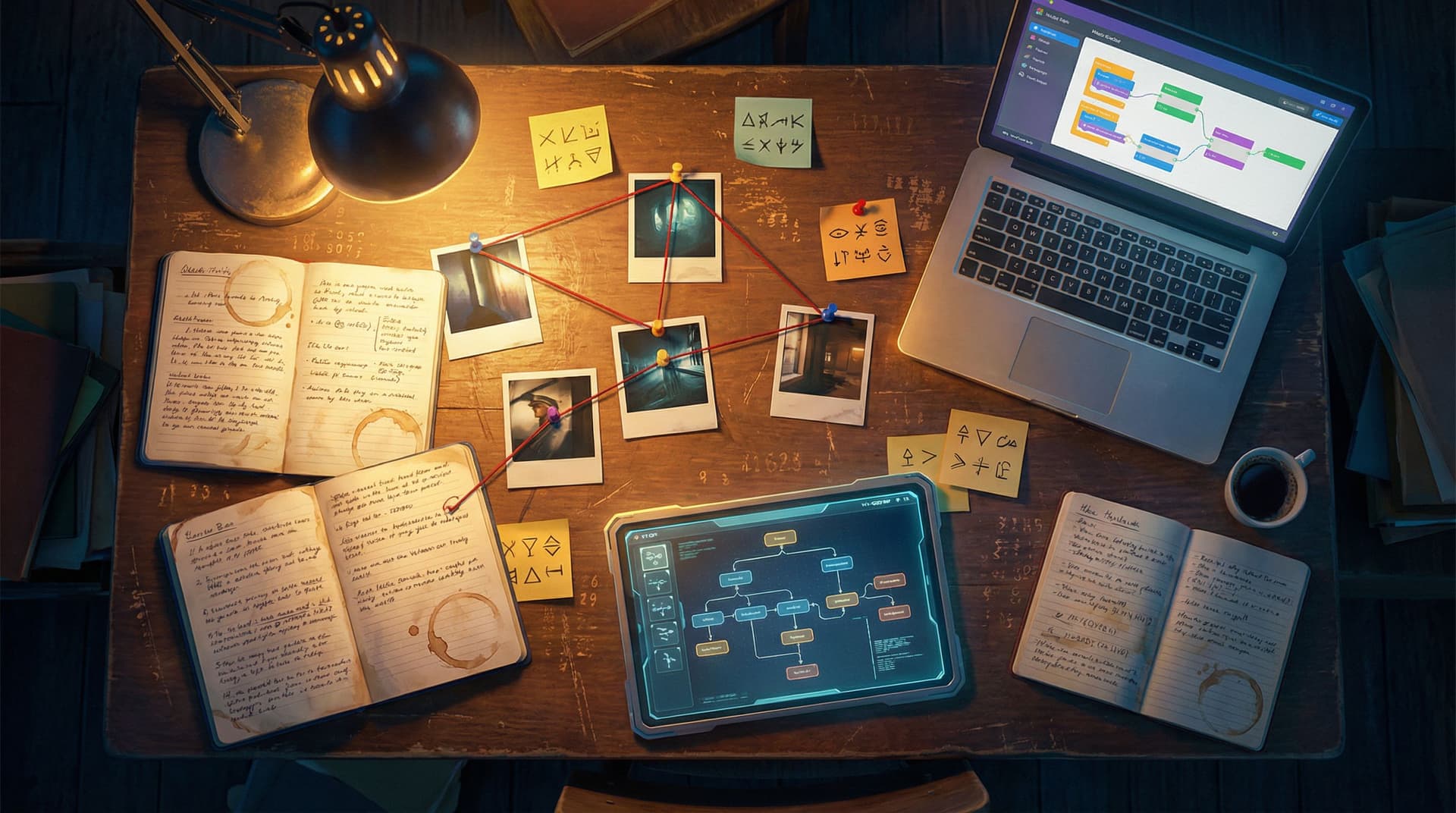
The New Story Bibles: Organizing Lore, Timelines, and Character Arcs for Large Questas Universes
Interactive Storytelling
AI Tools

The New Story Bibles: Organizing Lore, Timelines, and Character Arcs for Large Questas Universes

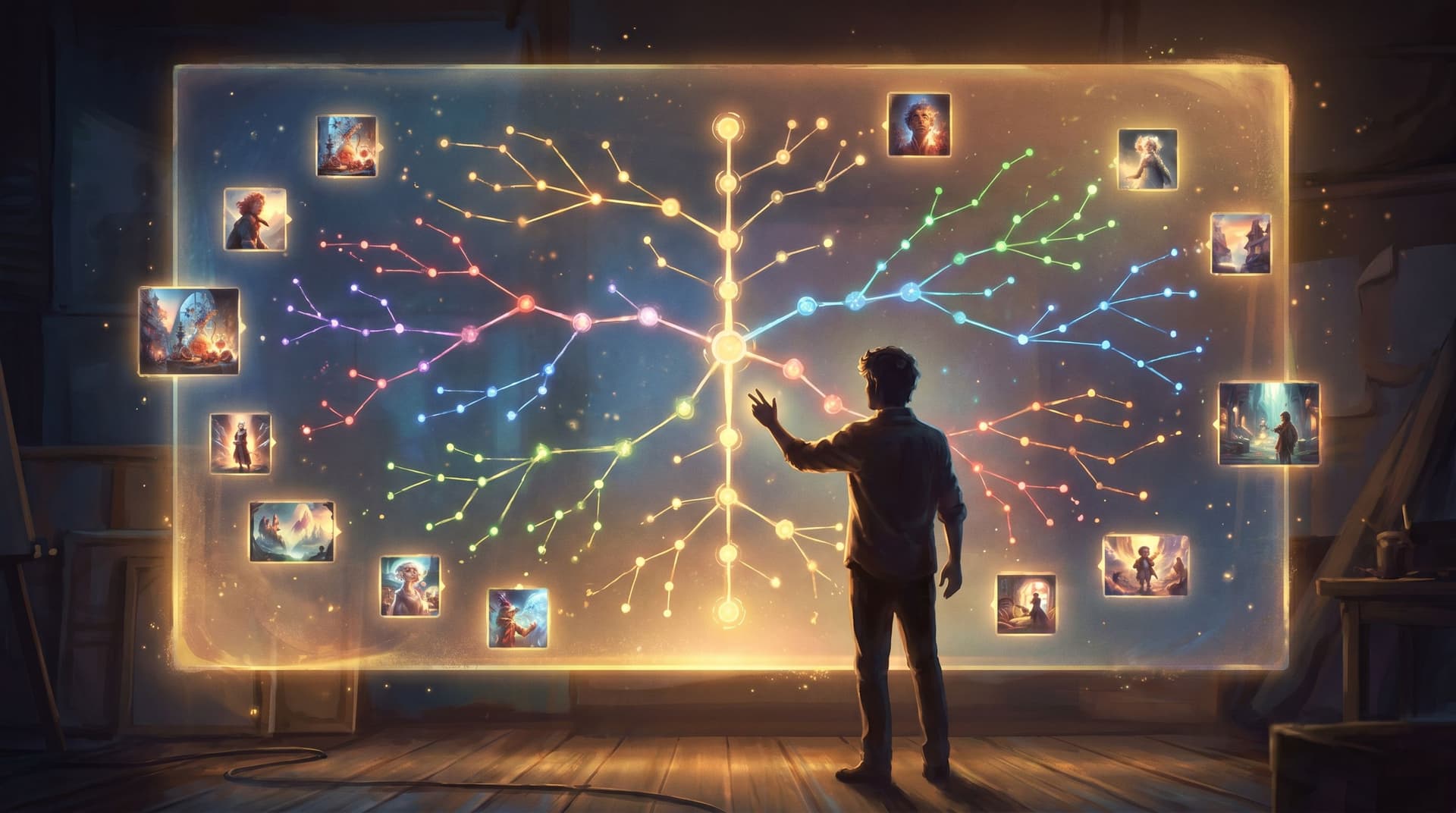
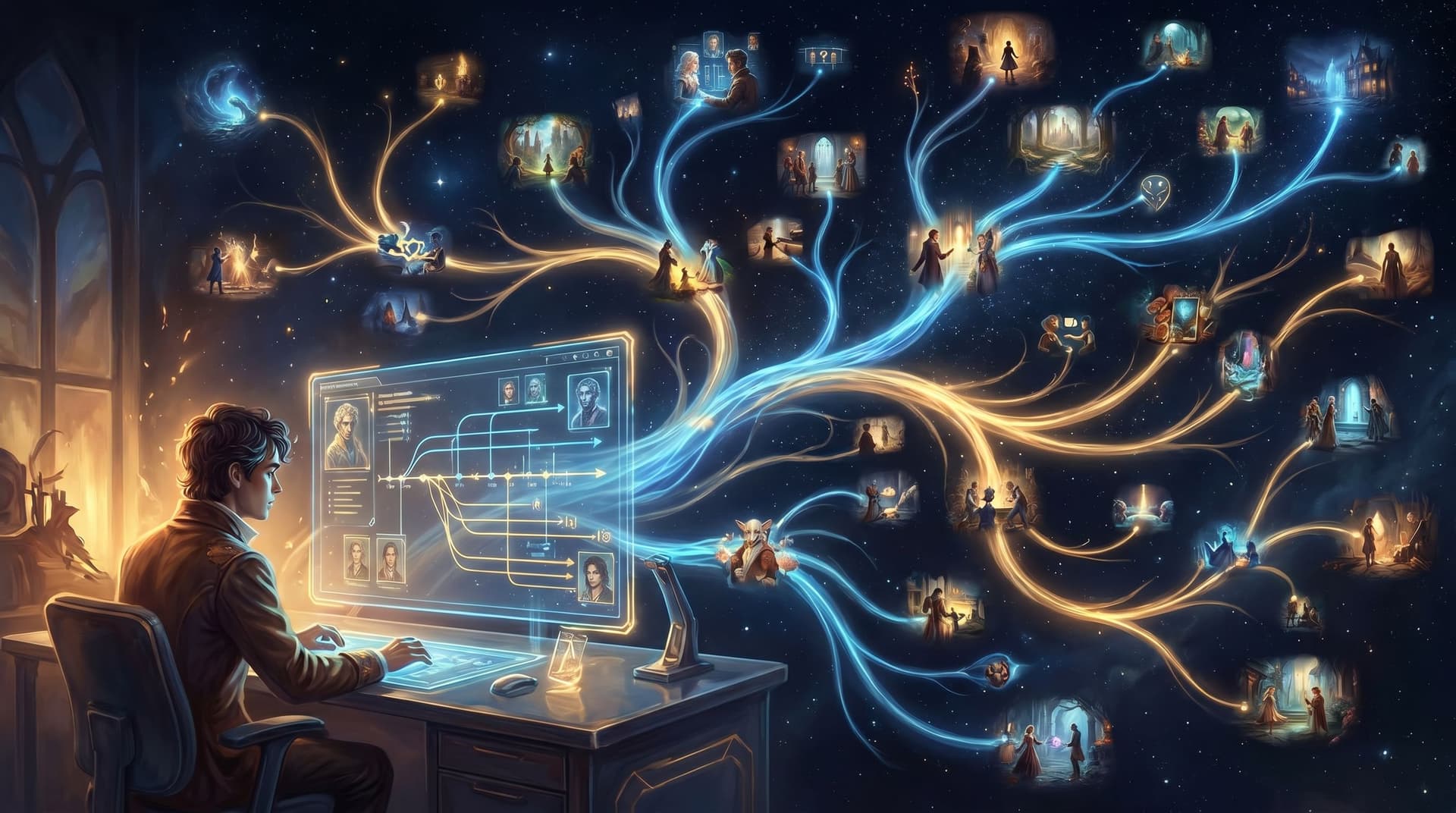
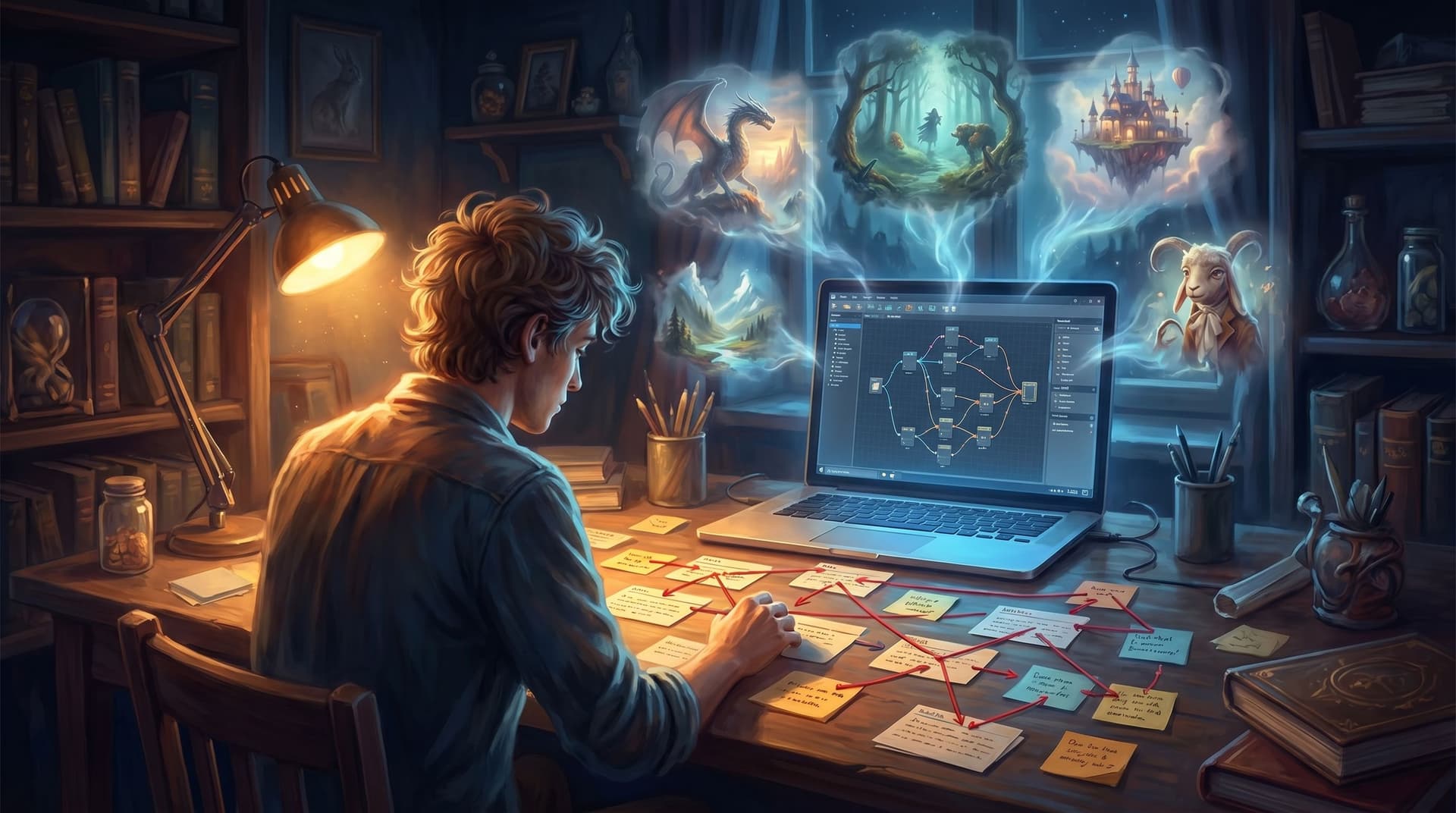
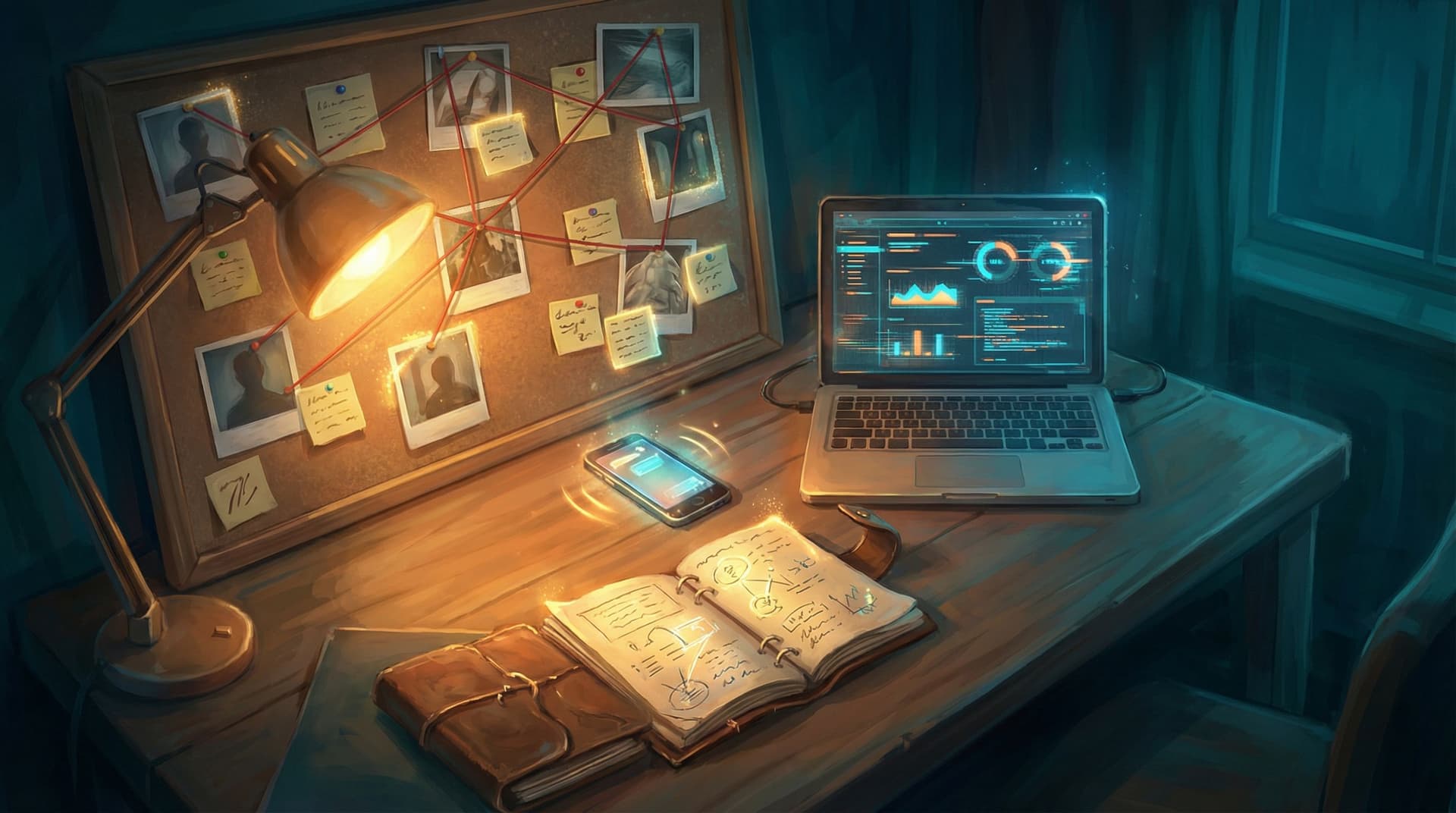
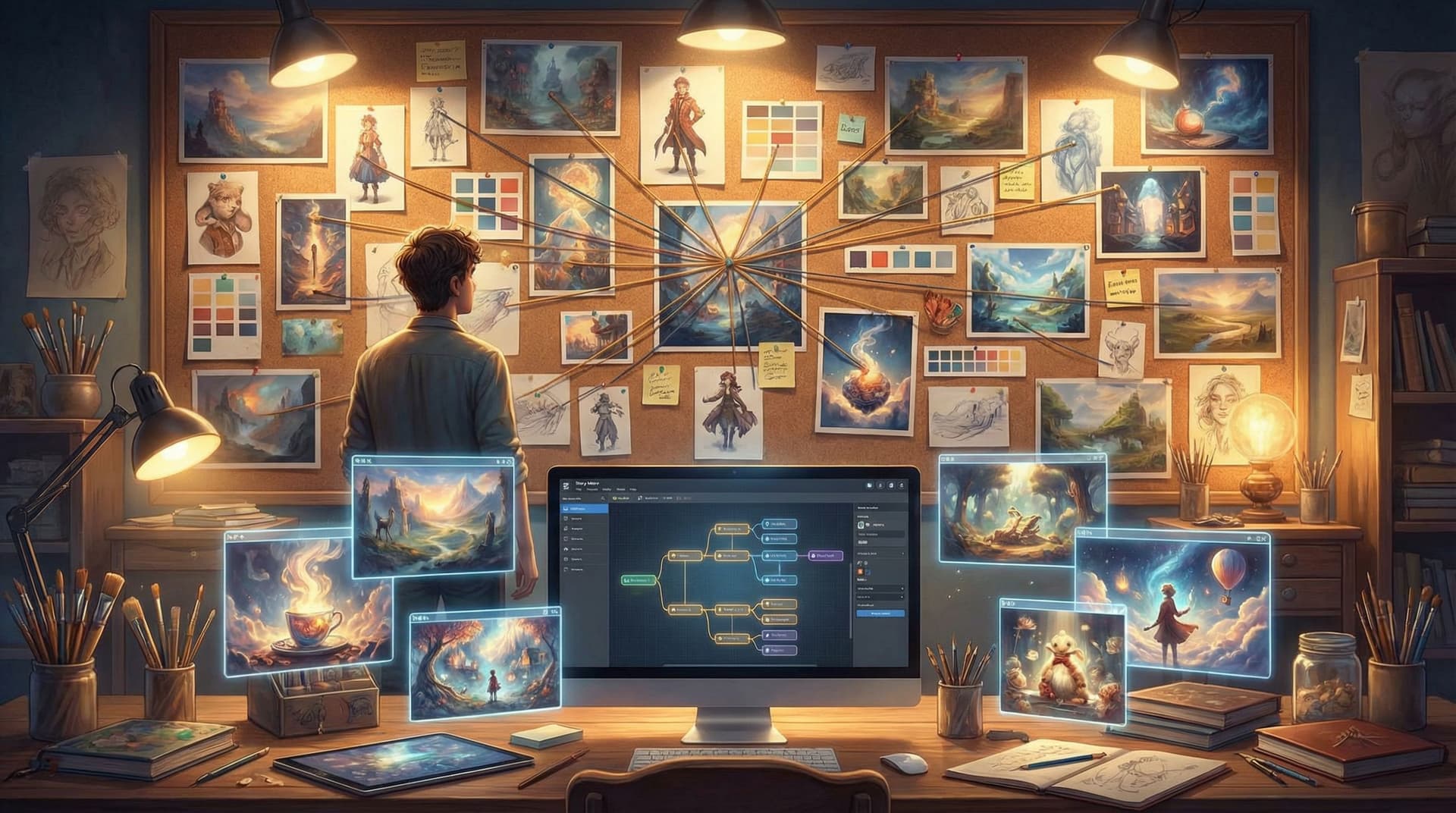
If you’re building a big interactive universe in Questas—multiple campaigns, spin‑off stories, recurring characters—you will hit a wall sooner or later: “Wait, did the rebellion start before the plague or after?” “Which version of the mentor survived in this timeline?” “Why does the starship look completely different in Chapter 4?” That wall is continuity. And the tool that helps you break through it is a story bible. A story bible is your universe’s operating manual: lore, timelines, character arcs, visual rules, and recurring motifs all in one place

Team Questas
Team Questas
AI Art Pitfalls and Fixes: Keeping Your Questas Visuals On-Model, On-Brand, and Not Weird
Interactive Storytelling
AI Tools

AI Art Pitfalls and Fixes: Keeping Your Questas Visuals On-Model, On-Brand, and Not Weird

AI Art Pitfalls and Fixes: Keeping Your Questas Visuals On-Model, On-Brand, and Not Weird AI images can feel like magic—until your hero suddenly grows an extra hand, your brand colors vanish, or your “cozy starship kitchen” looks like five different spaces across five scenes. When you’re building interactive stories in Questas, visuals aren’t decoration. They’re part of the gameplay: players read expressions, scan environments for clues, and form emotional bonds with characters based on how they look from scene to scene. If those visuals drift off-model or off-brand, the spell breaks

Team Questas
Team Questas
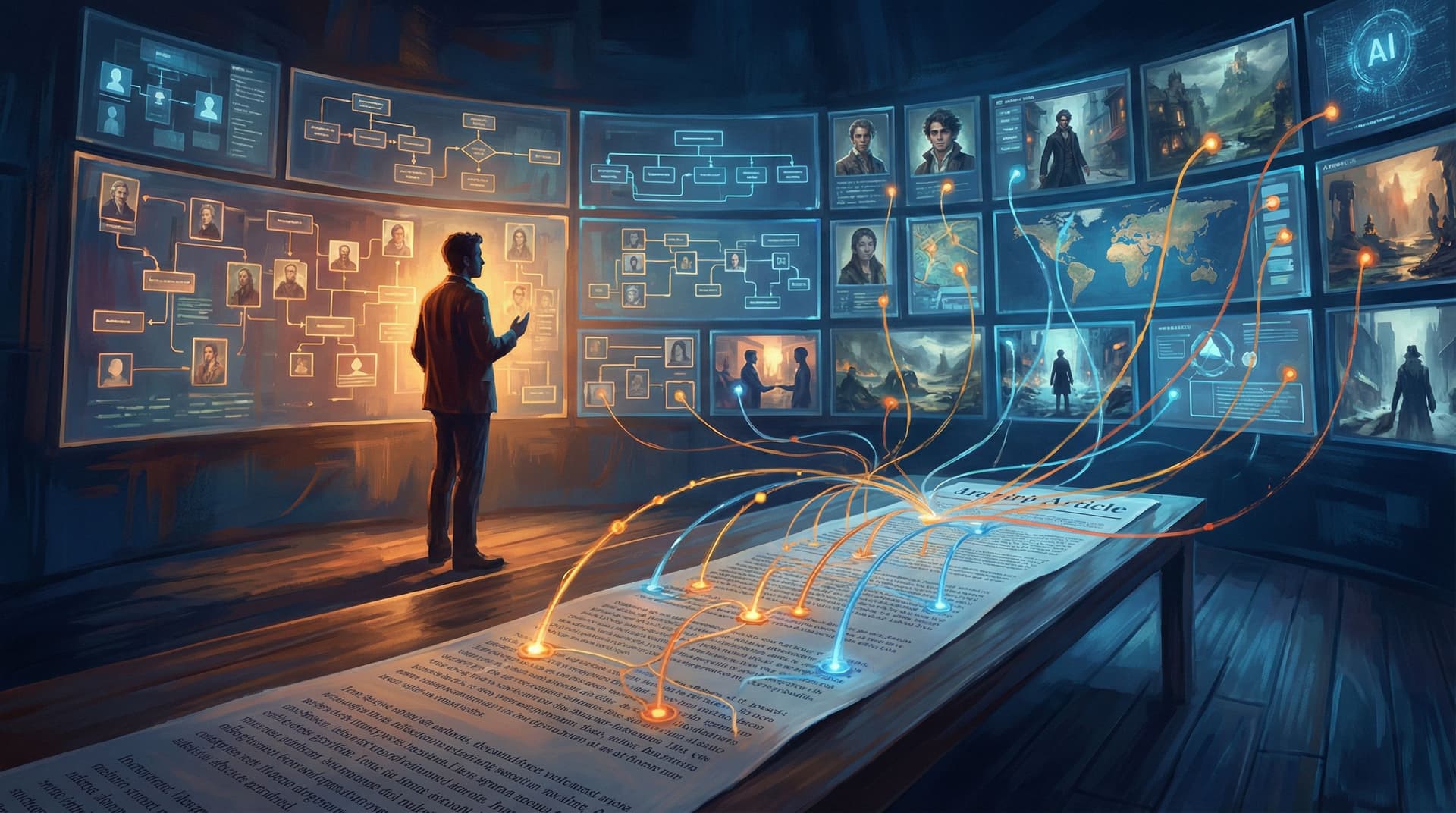
From Scroll to Story: Turning Blog Posts into Interactive Questas Adventures
Interactive Storytelling
AI Tools

From Scroll to Story: Turning Blog Posts into Interactive Questas Adventures

Long-form blog posts are great for depth, authority, and SEO—but they’re not always great at keeping people engaged from top to bottom. Readers skim. They jump between tabs. They promise themselves they’ll come back later… and rarely do. Interactive stories flip that pattern. Instead of passively scrolling, your audience plays through your ideas. They make decisions, see consequences, and feel like co-authors of the experience. That’s where Questas comes in. It gives you a visual, no‑code canvas to turn static articles into branching, choice-driven adventures—complete with AI‑generated images and video. This guide walks you through how to transform an existing blog post into a replayable Questas experience, step by

Team Questas
Team Questas
From Tabletop to Touchscreen: Adapting Your RPG Campaign into an Interactive Questas Series
Interactive Storytelling
AI Tools

From Tabletop to Touchscreen: Adapting Your RPG Campaign into an Interactive Questas Series

You’ve got binders full of maps, NPC notes, and legendary inside jokes from years of tabletop sessions. Your players still tell stories about that critical failure or that impossible bluff check. So why should those moments live only at your table

Team Questas
Team Questas
Narrative Arcs in a Nonlinear World: Structuring Three-Act Stories Inside Questas Branches
Interactive Storytelling
AI Tools

Narrative Arcs in a Nonlinear World: Structuring Three-Act Stories Inside Questas Branches

Nonlinear stories can feel like a paradox. You want that satisfying three-act arc—setup, escalation, payoff. But you also want players to wander, backtrack, discover secrets, and make wildly different choices. How do you keep a strong narrative spine when your story looks less like a straight line and more like a web? That’s exactly where three-act thinking becomes your superpower inside Questas. With a visual, no-code editor and AI-generated images and video, Questas makes it easy to add branches. The real craft is using those branches to support a compelling arc instead of diluting

Team Questas
Team Questas
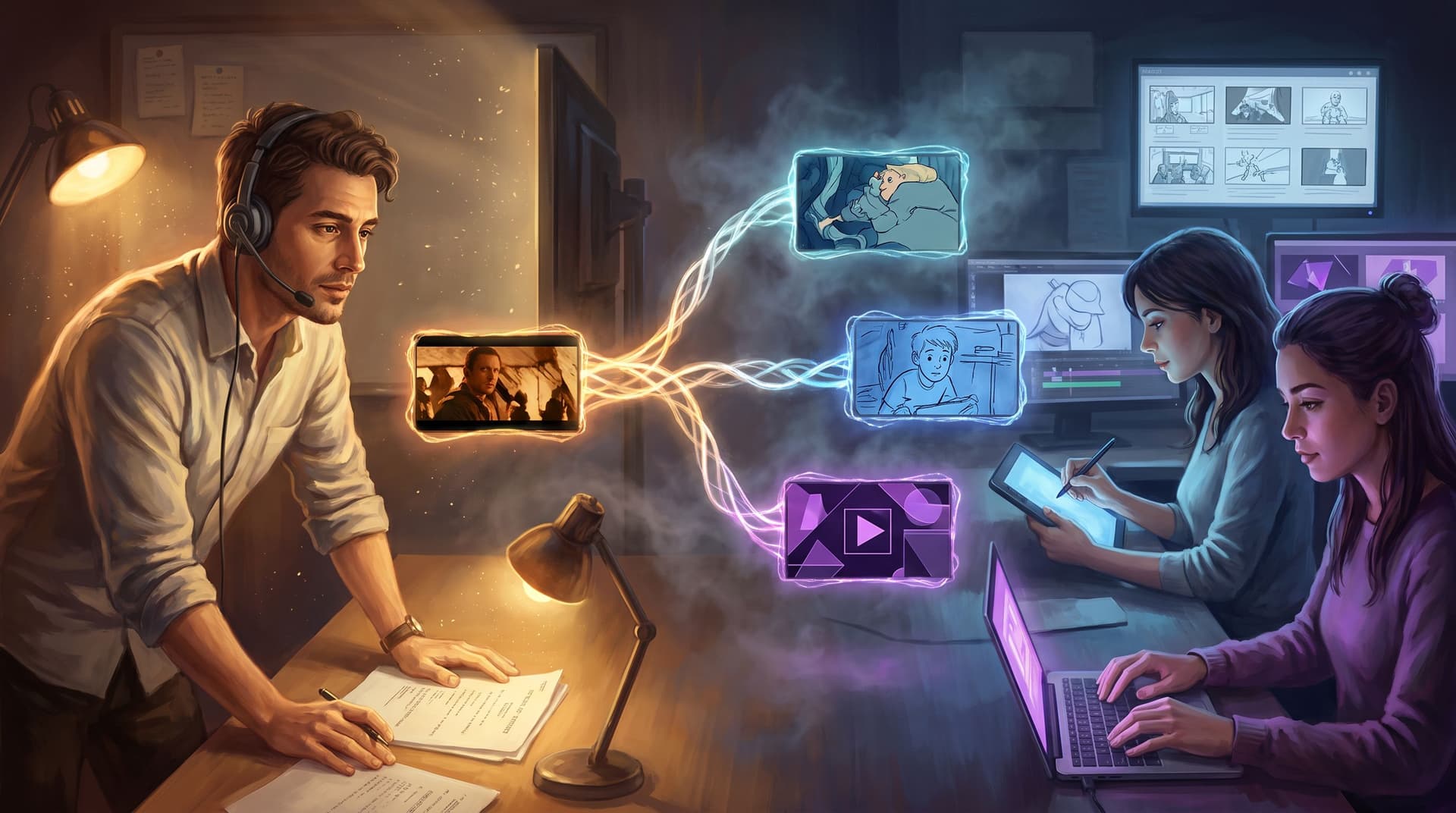
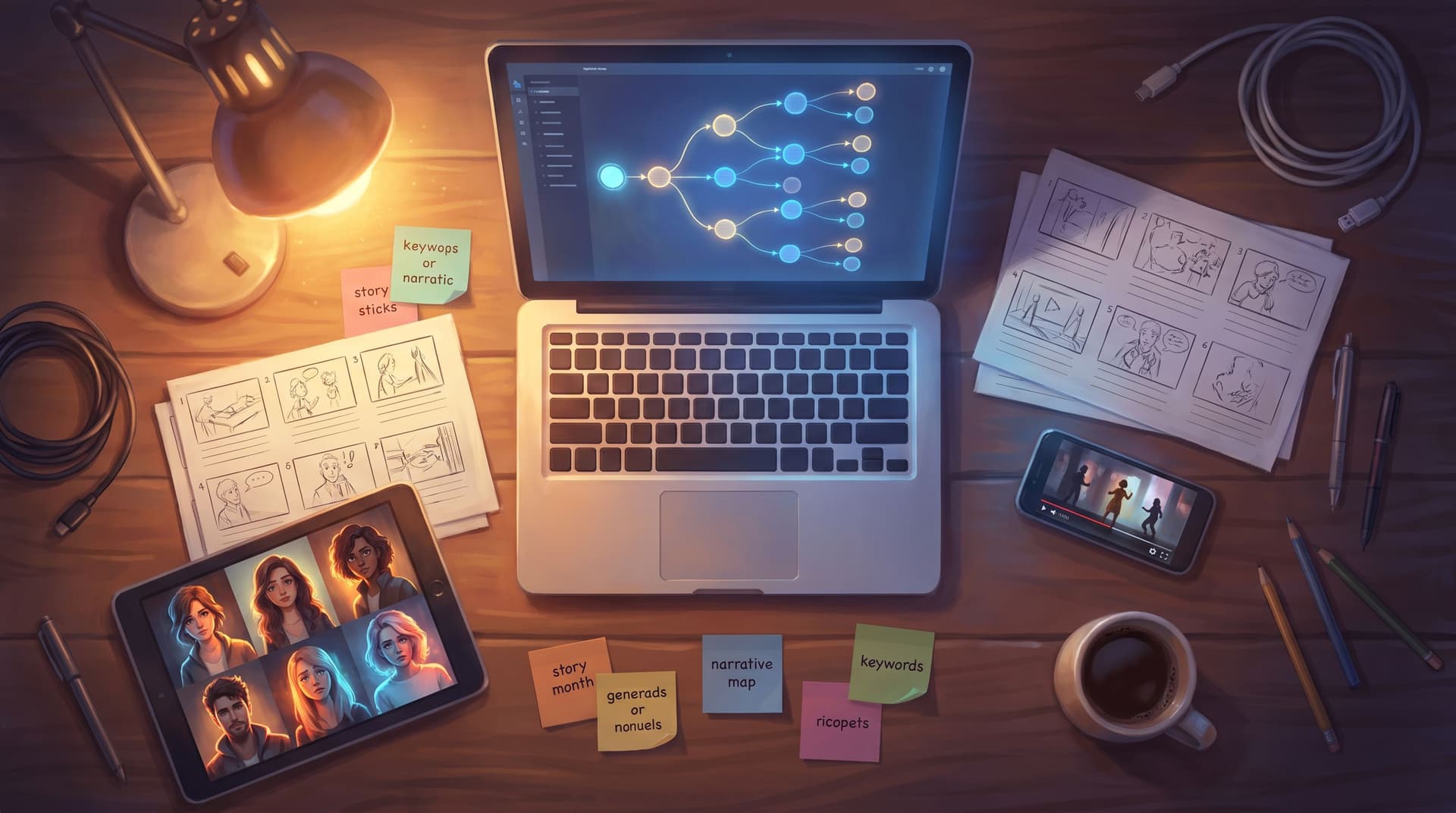
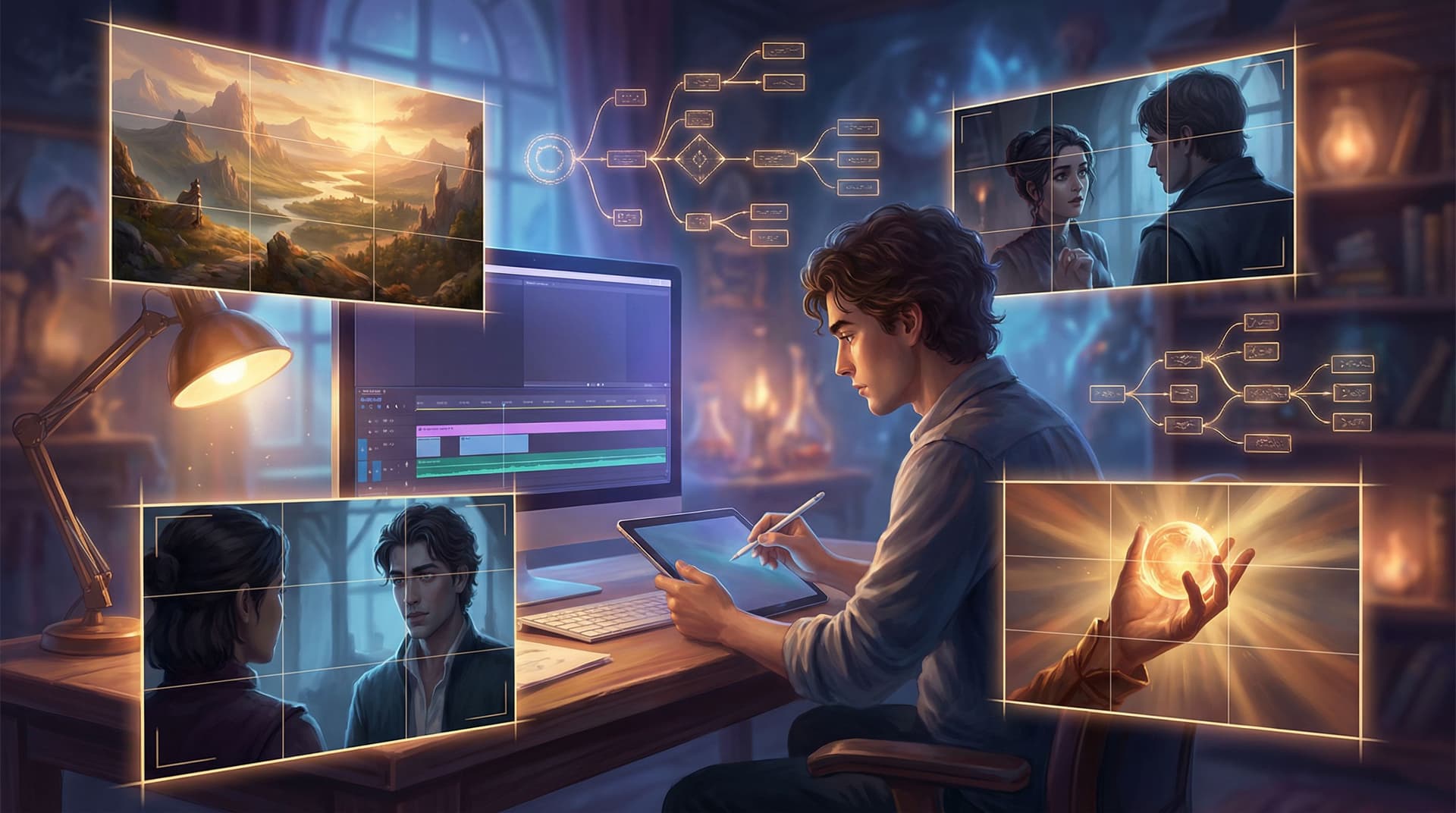
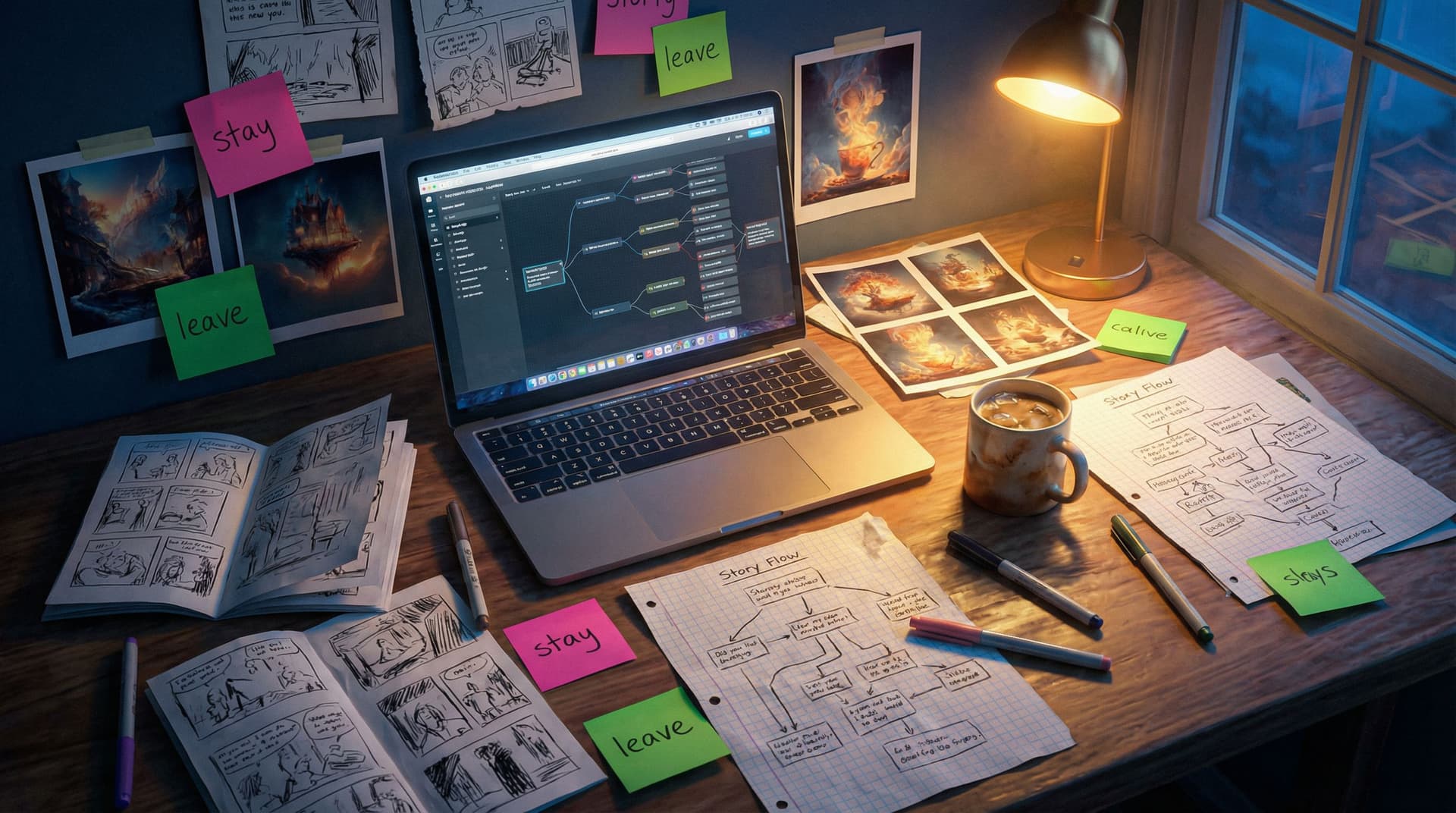
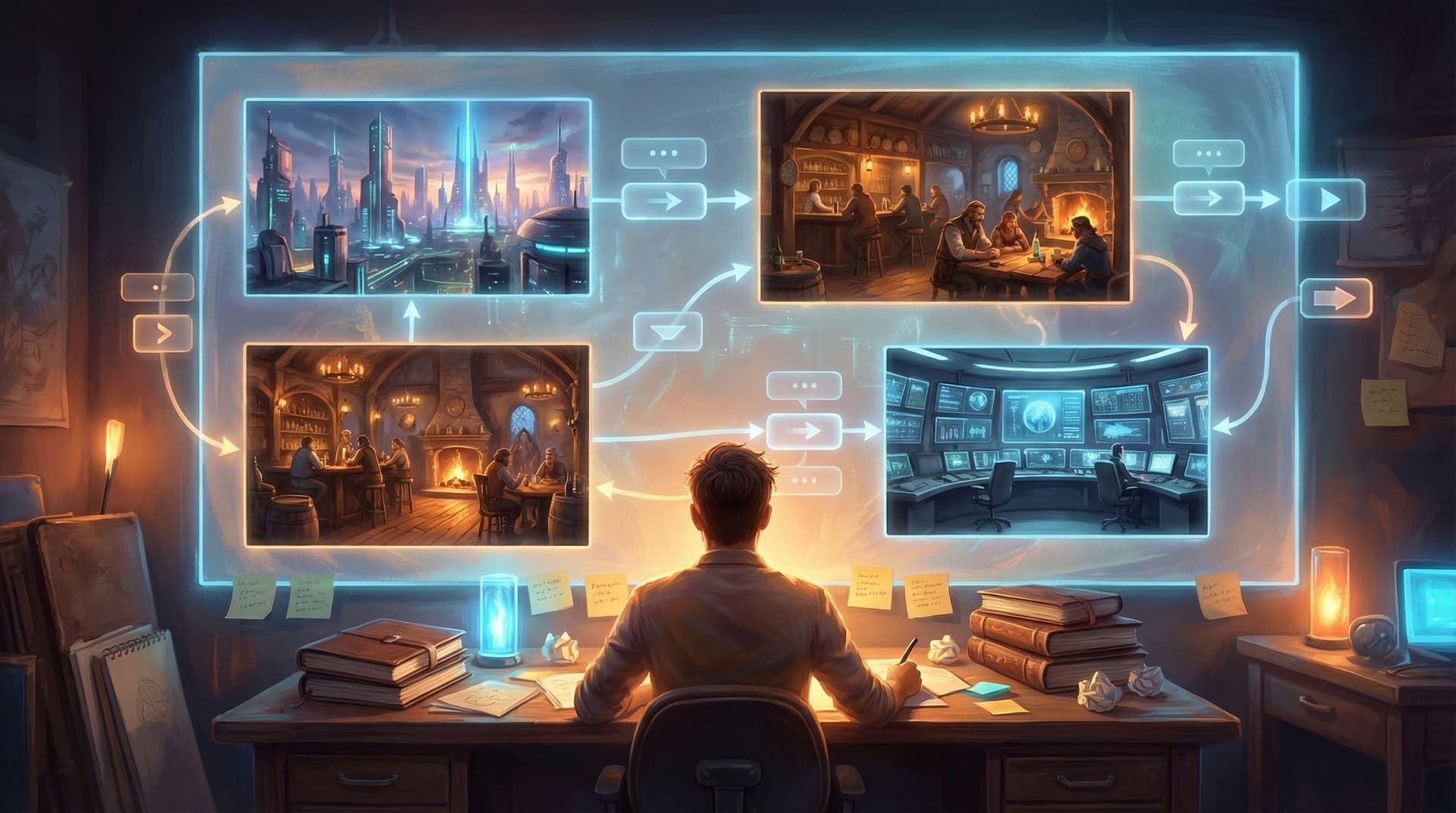
From Comic Panels to Playable Paths: Turning Visual Storyboards into Questas Adventures
Interactive Storytelling
AI Tools

From Comic Panels to Playable Paths: Turning Visual Storyboards into Questas Adventures

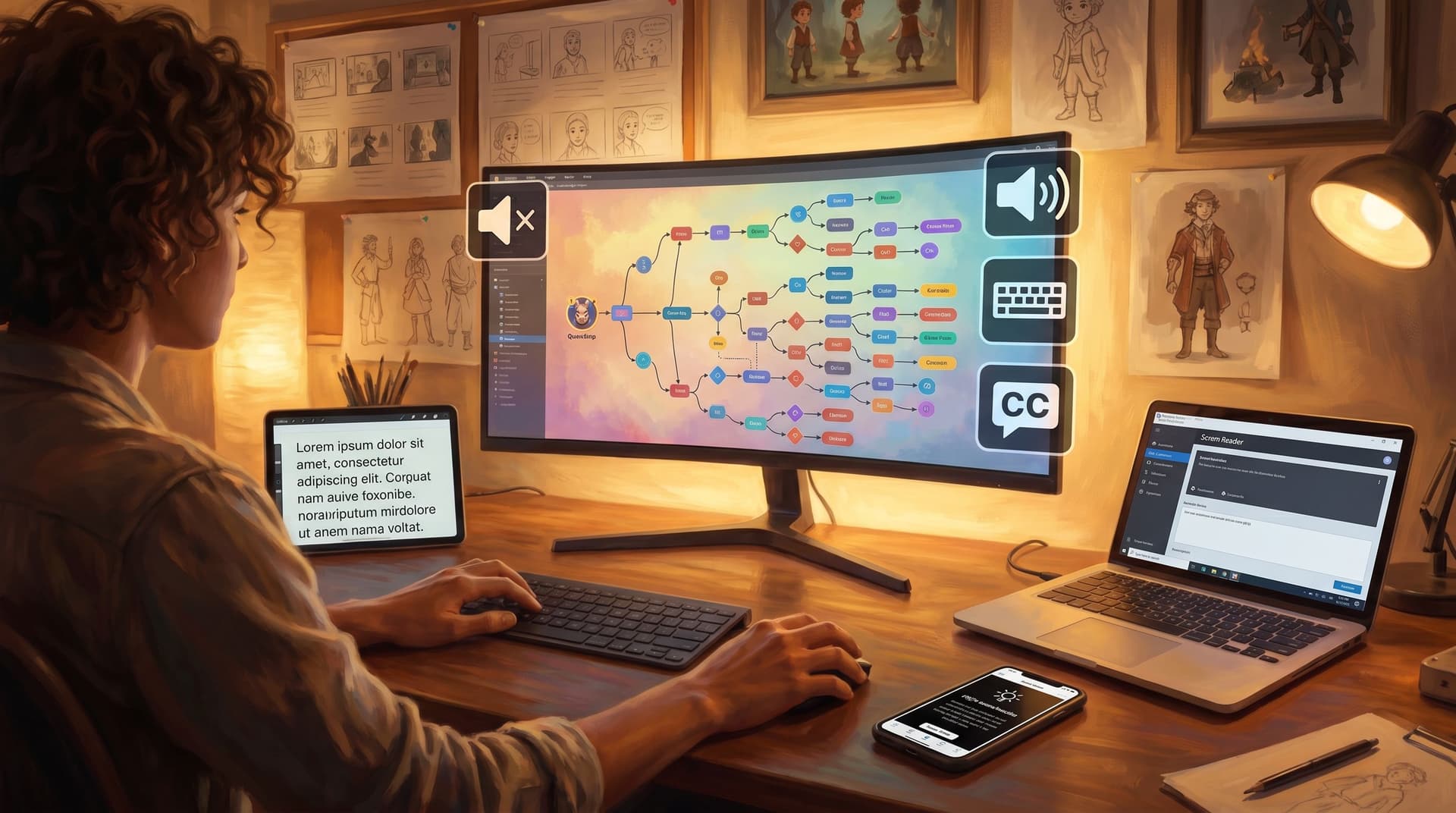
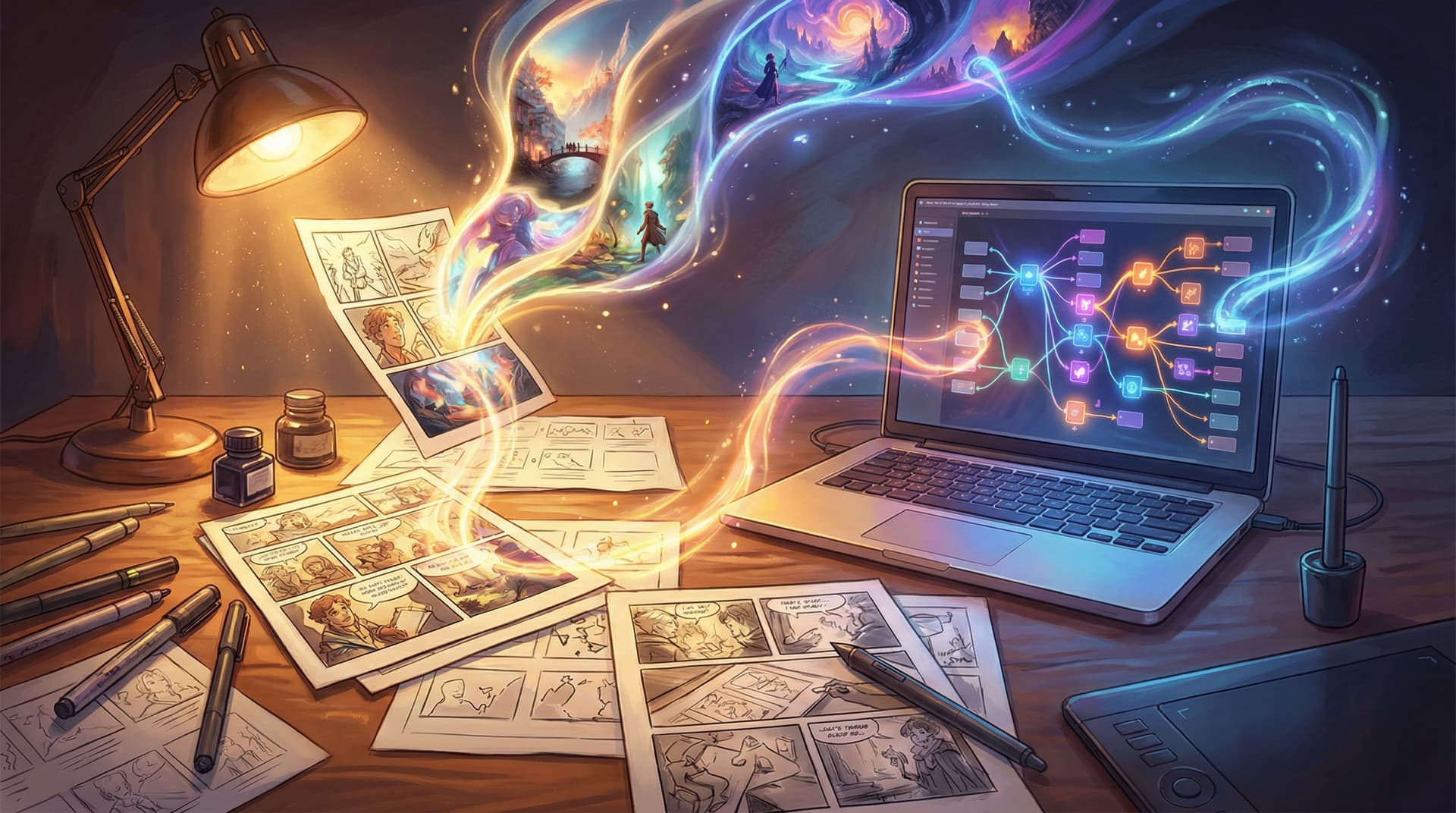
Comics and storyboards are already halfway to being interactive stories. You’ve got panels that frame moments, visual beats that imply motion, and gutters where the reader’s imagination fills in what happens between frames. That structure maps beautifully onto branching adventures—if you know how to translate it. With Questas, you don’t need a custom engine or a dev team to make that leap. You can take the visual thinking you already use in comics, animatics, or pitch boards and turn it into a playable, choice-driven experience—complete with AI‑generated images and video—using a visual, no‑code edito

Team Questas
Team Questas
Branching Narratives in 2026: Trends Shaping the Future of Interactive Fiction and Story Games
Interactive Storytelling
AI Tools

Branching Narratives in 2026: Trends Shaping the Future of Interactive Fiction and Story Games

Interactive fiction has quietly gone from niche hobby to mainstream format. Choice-based games top storefront charts, AI co-writers are becoming common, and classrooms, brands, and solo creators are all experimenting with branching stories. That shift isn’t just about new tools. It’s about a new way of thinking about narrative: stories as systems—alive, replayable, and responsive. In 2026, branching narratives are maturing fast. If you’re writing interactive fiction, building training scenarios, or prototyping story-driven games, understanding where things are headed will help you create work that feels current now and resilient a few years from no

Team Questas
Team Questas
Playtesting Your Questas Like a Game Designer: Scripts, Checklists, and What to Watch For
Interactive Storytelling
AI Tools

Playtesting Your Questas Like a Game Designer: Scripts, Checklists, and What to Watch For

Interactive stories feel like magic when they work: choices land, scenes flow, and players forget they’re clicking through a browser at all. But that magic doesn’t come from the first draft of your branching diagram—it comes from playtesting. If you’re building on Questas, you’re already thinking like a storyteller. To ship truly memorable adventures, you also need to think like a game designer: running structured tests, watching real players, and iterating with intention

Team Questas
Team Questas
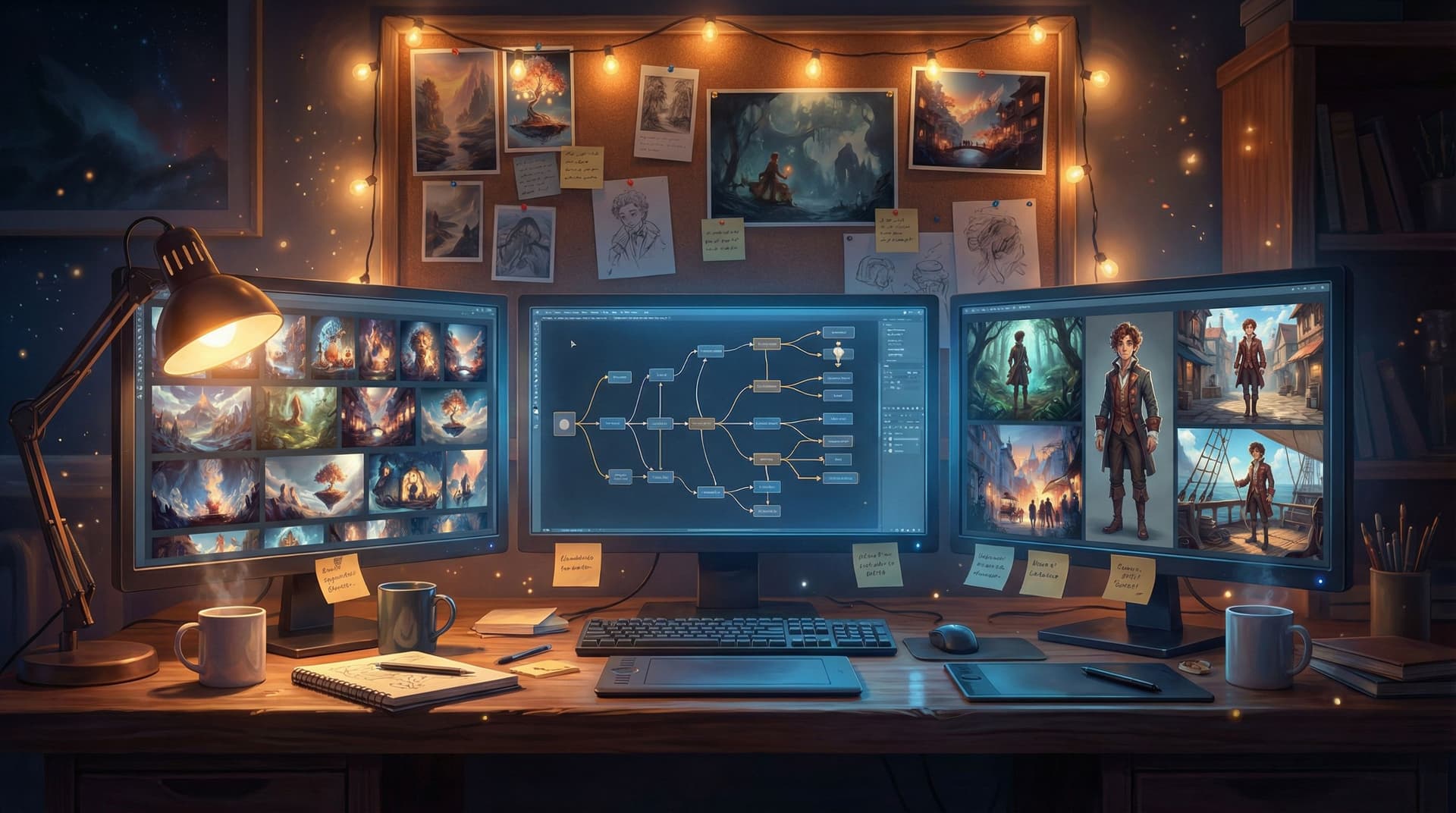
From Moodboard to Mission: Designing Visual Style Guides for Consistent Questas Adventures
Interactive Storytelling
AI Tools

From Moodboard to Mission: Designing Visual Style Guides for Consistent Questas Adventures

You’ve sketched a neon alley, a sun‑bleached desert ruin, and a cozy starship kitchen. Each scene looks great on its own—but when you drop them into the same interactive story, something feels off. The vibes clash. Characters don’t quite look like themselves from scene to scene. Your adventure starts to feel less like a world and more like a collage. That’s where visual style guides come in. For creators building on Questas, a clear visual style guide is the bridge between “cool images” and a cohesive, replayable adventure. It turns your initial moodboard into a mission: a set of decisions about tone, color, framing, and representation that keep your AI‑generated images and videos singing in harmony across every branc

Team Questas
Team Questas
From One Prompt to a Whole World: Worldbuilding Systems for Long-Form Questas Campaigns
Interactive Storytelling
AI Tools

From One Prompt to a Whole World: Worldbuilding Systems for Long-Form Questas Campaigns

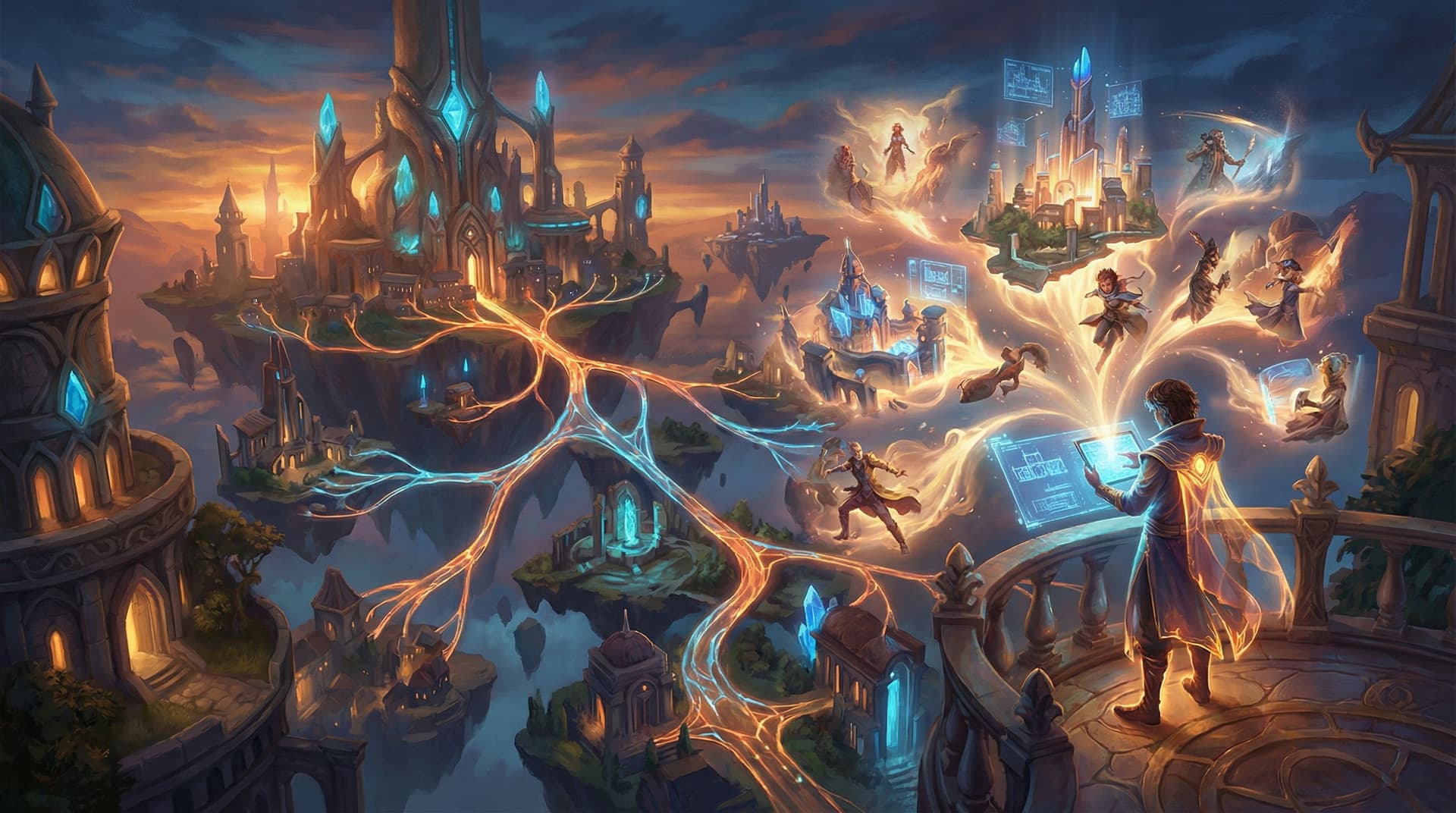
You open a new project in Questas, type a single prompt—“a drowned city of glass towers where memories wash up with the tide”—and suddenly you’re flooded with possibilities. Who lives there? What rules govern this place? How do you keep it all consistent across hours of branching play? That’s the real challenge of long-form, campaign-style interactive stories: not just inventing cool ideas, but building a system that can sustain them over dozens of scenes, routes, and endings. This guide is all about that system. We’ll walk through how to turn one evocative prompt into a fully playable world for a long-form Questas campaign—without drowning in continuity errors, lore bloat, or visual inconsist

Team Questas
Team Questas
Ethical AI Worldbuilding: Guidelines for Responsible Imagery, Representation, and Choices in Questas
Interactive Storytelling
AI Tools

Ethical AI Worldbuilding: Guidelines for Responsible Imagery, Representation, and Choices in Questas

Ethical AI Worldbuilding: Guidelines for Responsible Imagery, Representation, and Choices in Questas Interactive stories have always been about power: the power to decide what happens next, who matters, and which futures are even possible. When you build on Questas, you’re not just laying out branches in a visual, no‑code editor. You’re shaping a world—its people, its rules, its moral center—then inviting players to step inside. AI-generated images and video make that world vivid. But they also raise real questions: Whose faces and bodies are we showing? Which cultures, identities, and histories are we drawing from—and how carefully? What kinds of choices are we normalizing or glamorizing

Team Questas
Team Questas
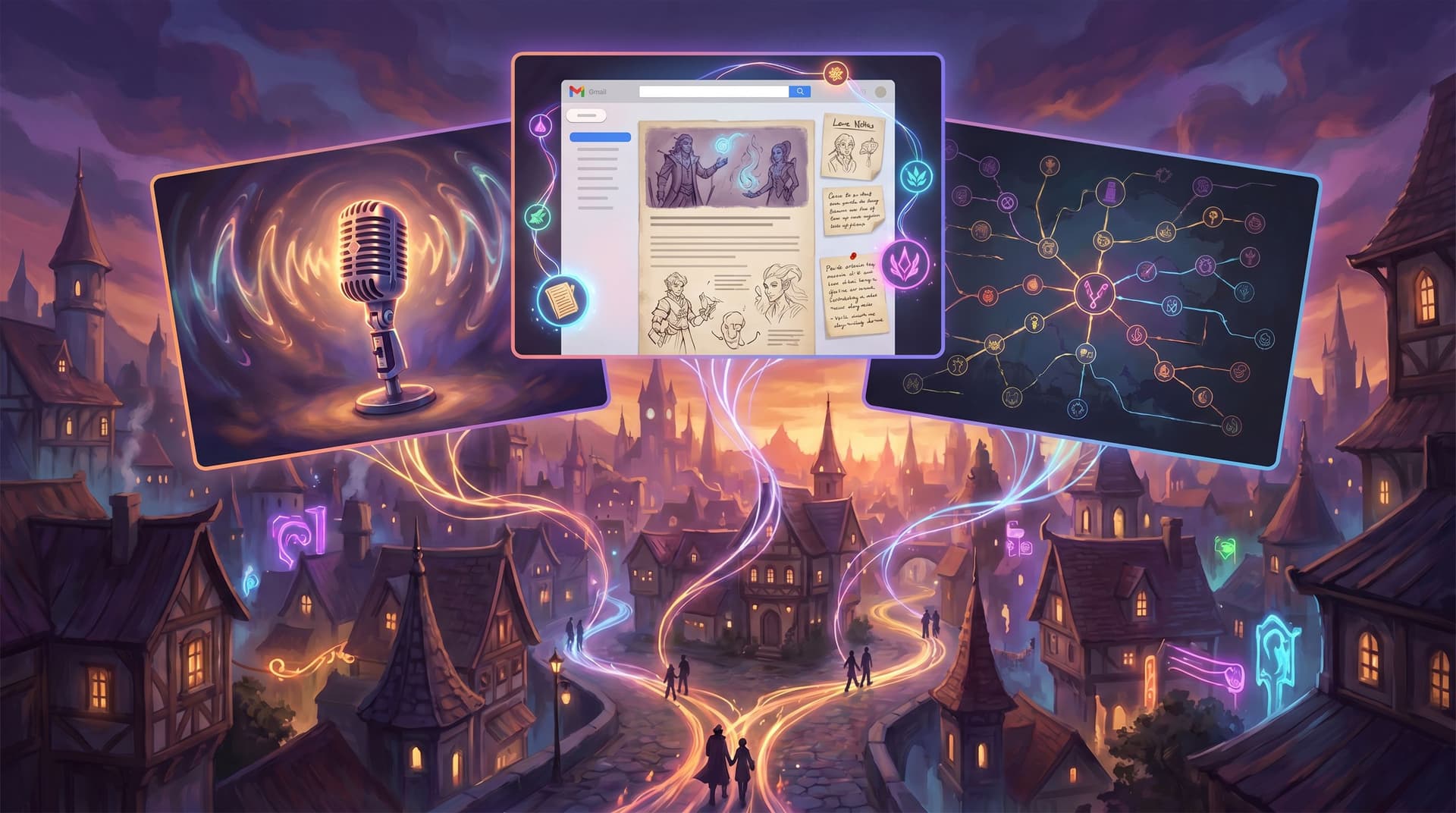
Beyond Text and Images: Using Ambient Audio and Micro-Video to Deepen Immersion in Questas
Interactive Storytelling
AI Tools

Beyond Text and Images: Using Ambient Audio and Micro-Video to Deepen Immersion in Questas

Interactive stories used to be walls of text with the occasional illustration. With platforms like Questas, we’ve already moved far beyond that: AI‑generated images and short video loops give each scene a cinematic feel. But there’s still one huge layer many creators underuse: Ambient audio — subtle soundscapes, environmental noise, and mood beds. Micro‑video — 2–8 second loops that feel alive without becoming full-blown cutscenes. Handled well, these two elements can make your Questas adventures feel less like reading a story and more like being inside one. This guide will walk through why ambient audio and micro‑video matter, how to use them without overwhelming your players, and practical workflows you can apply in your next projec

Team Questas
Team Questas
From Prompt to Playable: Designing Your First AI-Generated Character Cast in Questas
Interactive Storytelling
AI Tools

From Prompt to Playable: Designing Your First AI-Generated Character Cast in Questas

From Prompt to Playable: Designing Your First AI-Generated Character Cast in Questas Interactive stories don’t come alive because of branching charts or clever logic—they come alive because of characters. The mentor who remembers what you chose three scenes ago. The rival who keeps showing up at the worst possible moment. The sidekick players swear they’d protect at all costs. When you’re building in Questas, your character cast isn’t just a list of names. It’s a playable ensemble that travels across branches, reacts to choices, and shows up consistently in AI-generated images and video. Getting that cast right early will save you hours later—and make your story feel like a cohesive, living worl

Team Questas
Team Questas
Show, Don’t Tell: Using AI Images and Short Video Loops to Pace Your Questas Story Beats
Interactive Storytelling
AI Tools

Show, Don’t Tell: Using AI Images and Short Video Loops to Pace Your Questas Story Beats

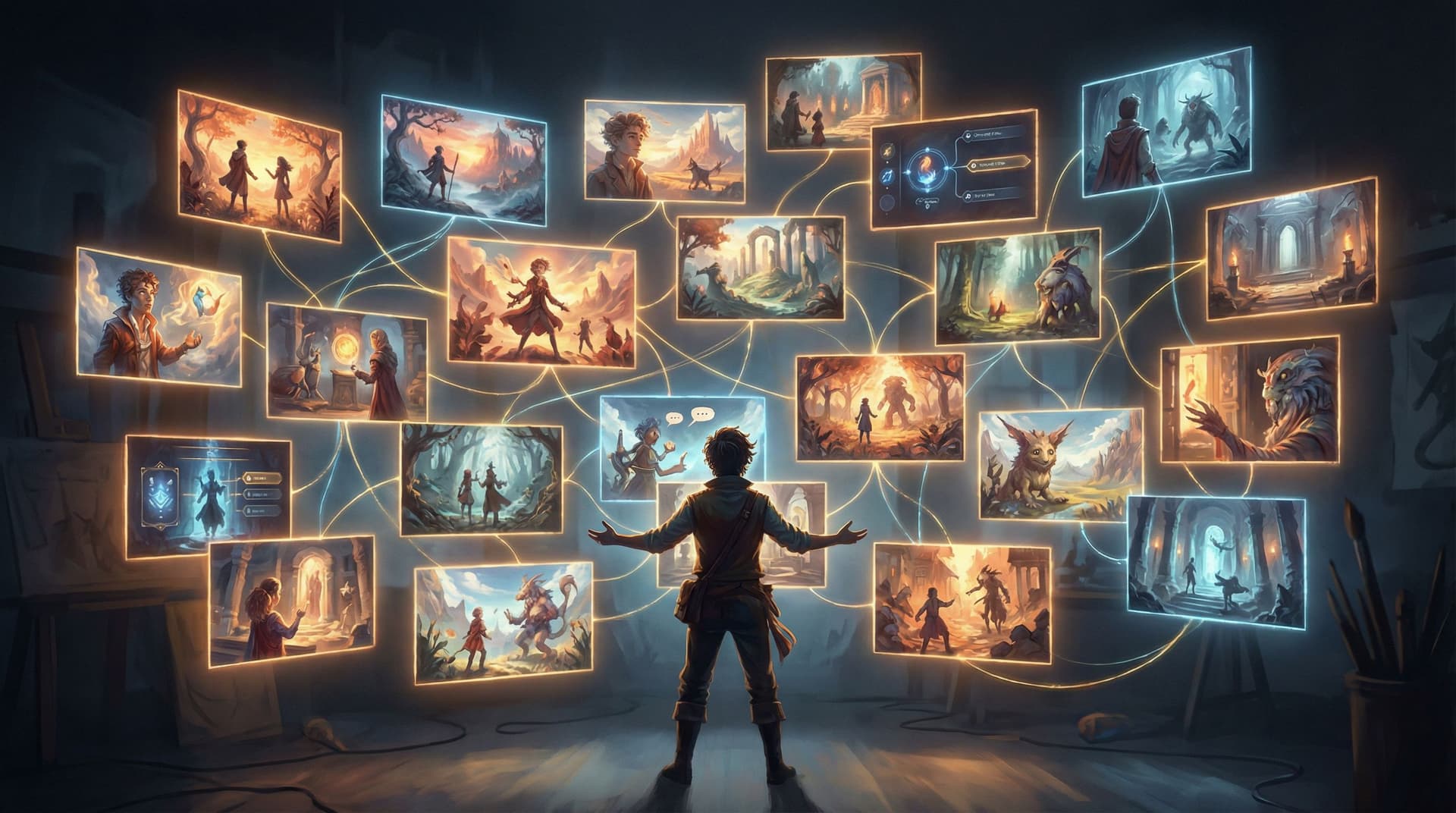
Great interactive stories don’t just tell players what’s happening—they let them feel it. In a branching adventure, that feeling often comes less from long paragraphs of exposition and more from the rhythm of moments: a tense pause before a decision, a quiet beat after a failure, a breath of wonder when a new world opens up. That rhythm is pacing—and visual media is one of your most powerful pacing tools. With Questas, you’re not only writing choices. You’re also placing AI-generated images and looping video at key beats in your stor

Team Questas
Team Questas
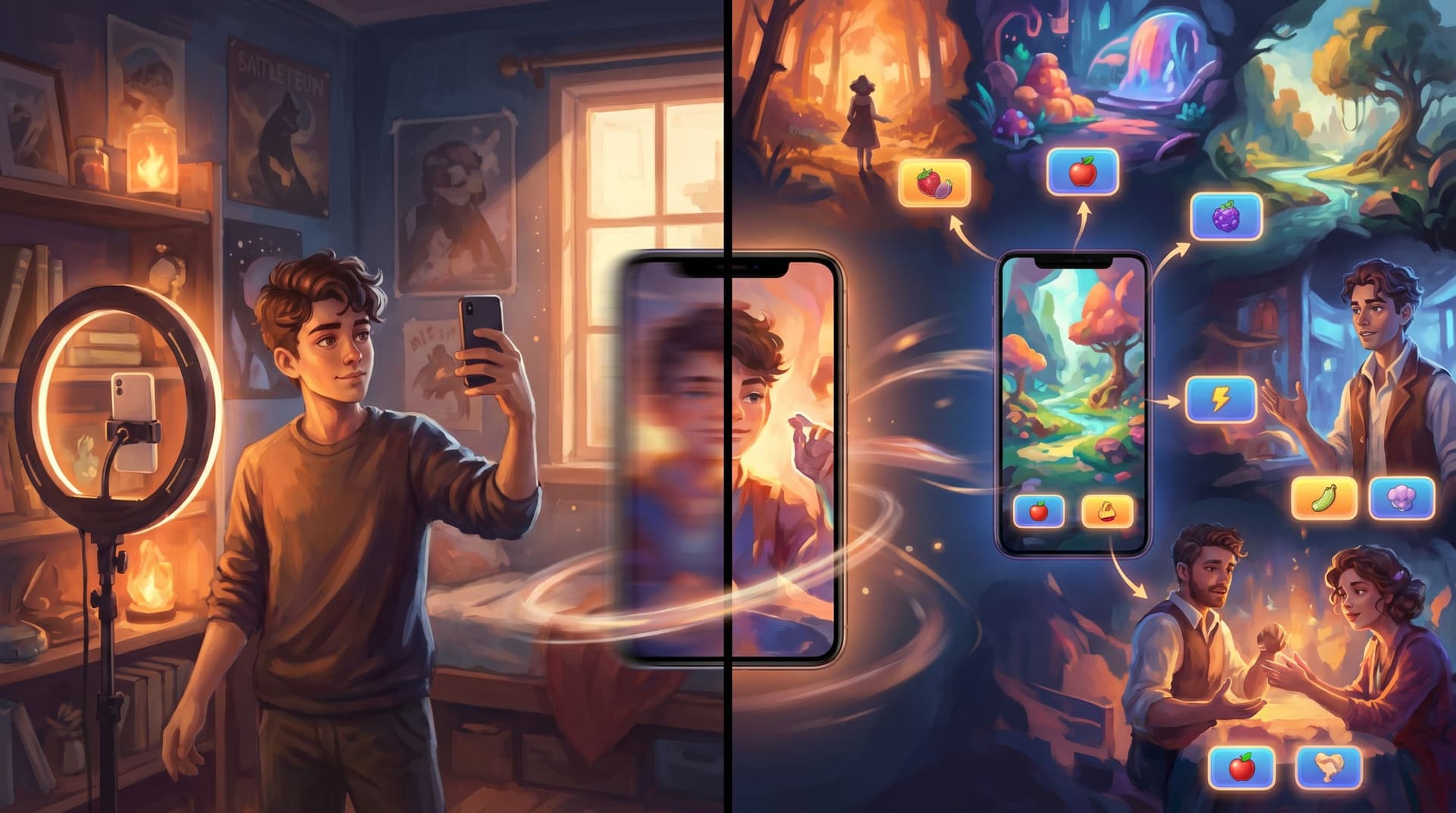
Micro-Adventures in Minutes: Building Short, Replayable Questas Experiences for Social Media
AI Tools
Content Creation

Micro-Adventures in Minutes: Building Short, Replayable Questas Experiences for Social Media

Micro-adventures are the snackable stories your audience can actually finish. On social platforms where attention is measured in swipes and seconds, a 45-minute interactive epic is a tough sell. But a 2–5 minute, highly visual, replayable story that ends with, “Try again for a different outcome”? That’s the kind of experience people share, argue about in comments, and come back to. That’s where Questas shines: it gives you a visual, no‑code canvas to design branching stories with AI-generated images and video—perfect for short, punchy adventures that fit right into a social fee

Team Questas
Team Questas
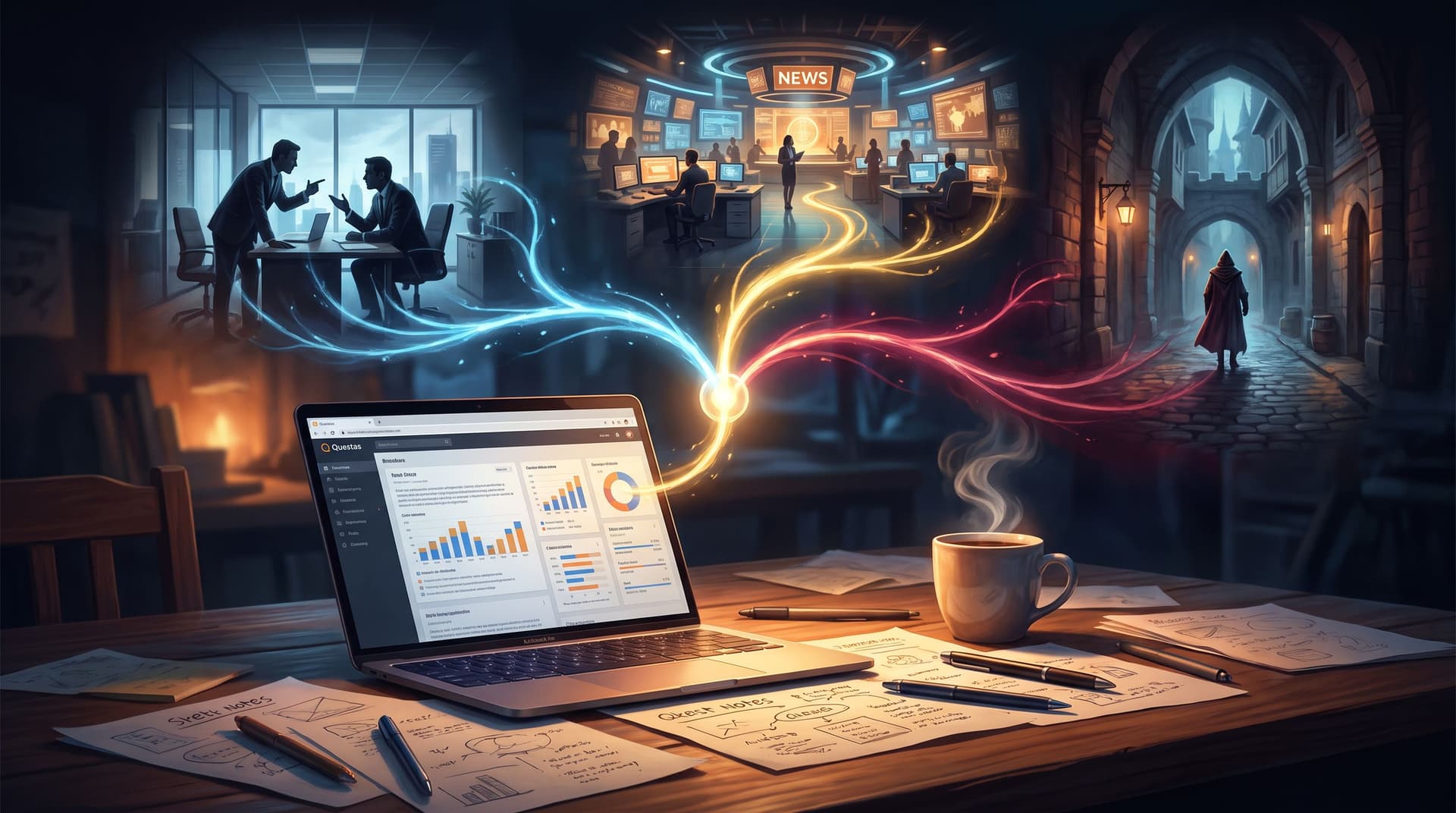
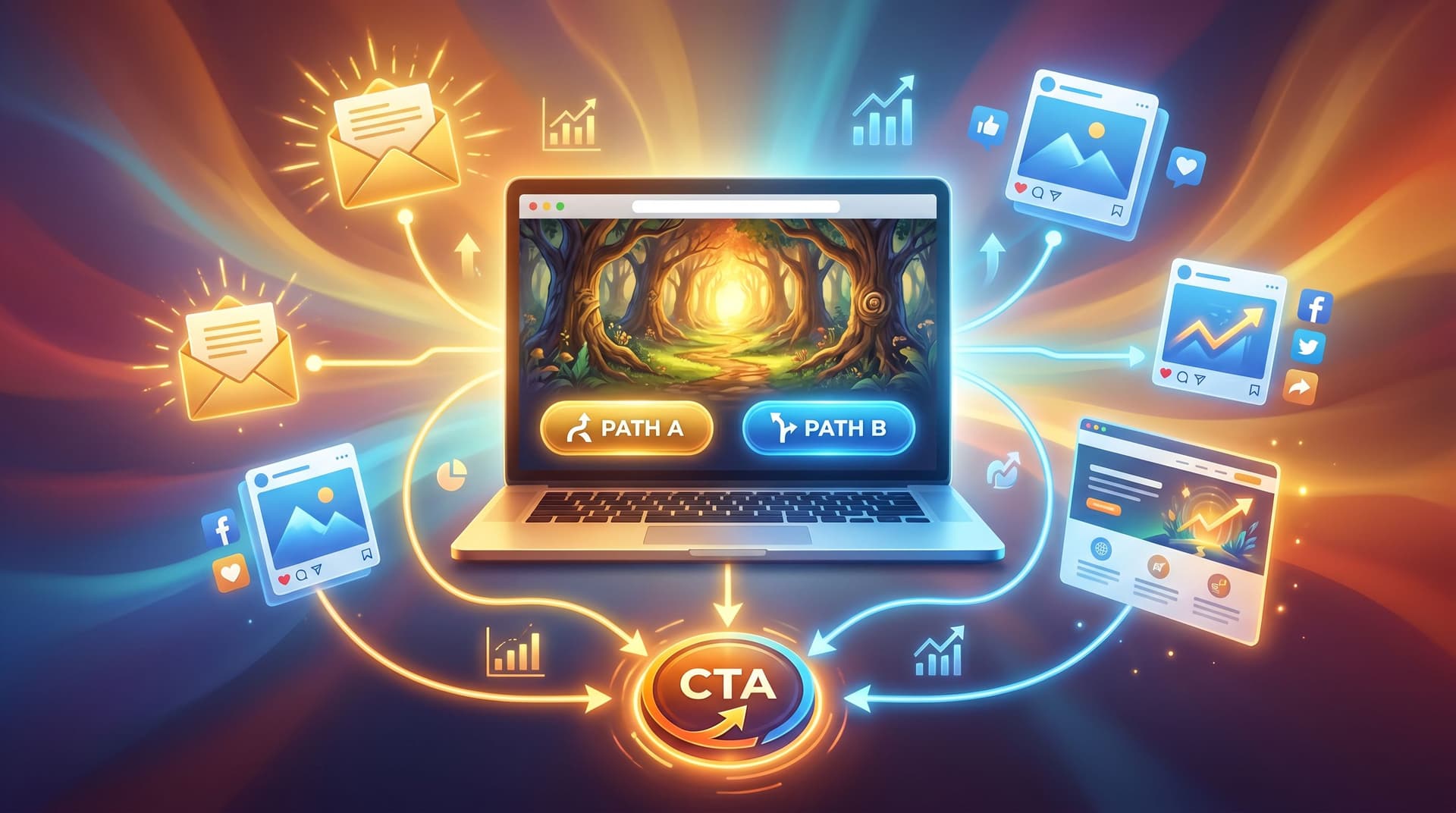
Beyond Fantasy: 10 Unexpected Use Cases for Questas in Business, Training, and Marketing
AI Tools
Content Creation

Beyond Fantasy: 10 Unexpected Use Cases for Questas in Business, Training, and Marketing

Interactive, choose-your-own-adventure stories are usually associated with fantasy quests, sci‑fi sagas, and roleplaying campaigns. But the same mechanics that make those stories so engaging—choice, consequence, replayability, and visual immersion—are incredibly powerful outside of entertainment. For teams in business, training, and marketing, interactive stories can: Turn dry content into memorable experiences Let people practice decisions instead of just reading about them Reveal how customers think and what they care about Shorten onboarding and learning curves That’s where platforms like Questas come in

Team Questas
Team Questas
Visual First Storytelling: Building Worlds in Questas by Starting with AI Images
AI Tools
Creative Writing

Visual First Storytelling: Building Worlds in Questas by Starting with AI Images

Stories don’t always begin with words. Sometimes it’s a single frame that grabs you: a neon-lit alleyway in the rain, a starship graveyard at dusk, a kid standing at the edge of a forest that clearly isn’t normal. That one image can carry tone, genre, character, and stakes before a single line of dialogue is written. That’s the power of visual‑first storytelling—and it’s a perfect match for interactive stories built in Questas. Instead of wrestling with paragraphs and branching logic right away, you start by sketching the world in images. Then you let those images guide your choices, characters, and plotlin

Team Questas
Team Questas
Analytics for Adventure: Using Player Data to Improve Your Questas Stories Over Time
Interactive Storytelling
AI Tools

Analytics for Adventure: Using Player Data to Improve Your Questas Stories Over Time

Interactive stories feel magical when they flow: choices feel meaningful, players stay curious, and the ending they reach feels earned. But that kind of experience rarely happens by accident. It happens because creators watch how people actually play—and then refine. That’s where analytics comes in. If you’re building on Questas, you already have powerful tools for crafting branching narratives, AI-generated visuals, and cinematic moments. Analytics is the missing piece that turns a fun one-off project into a living, evolving adventure that gets better every we

Team Questas
Team Questas
AI as Your Co-Author: Using Questas to Break Writer’s Block and Rapidly Prototype Story Ideas
AI Tools
Creative Writing

AI as Your Co-Author: Using Questas to Break Writer’s Block and Rapidly Prototype Story Ideas

AI as Your Co-Author: Using Questas to Break Writer’s Block and Rapidly Prototype Story Ideas Writer’s block used to mean staring at a blank page, waiting for inspiration to show up. Now, you can invite a co-author into your browser—a collaborator that never gets tired, always has another angle to try, and can visualize your ideas in seconds. That’s what makes interactive storytelling with Questas so powerful. You’re not just fighting writer’s block; you’re designing story experiences your audience can explore, tweak, and replay

Team Questas
Team Questas
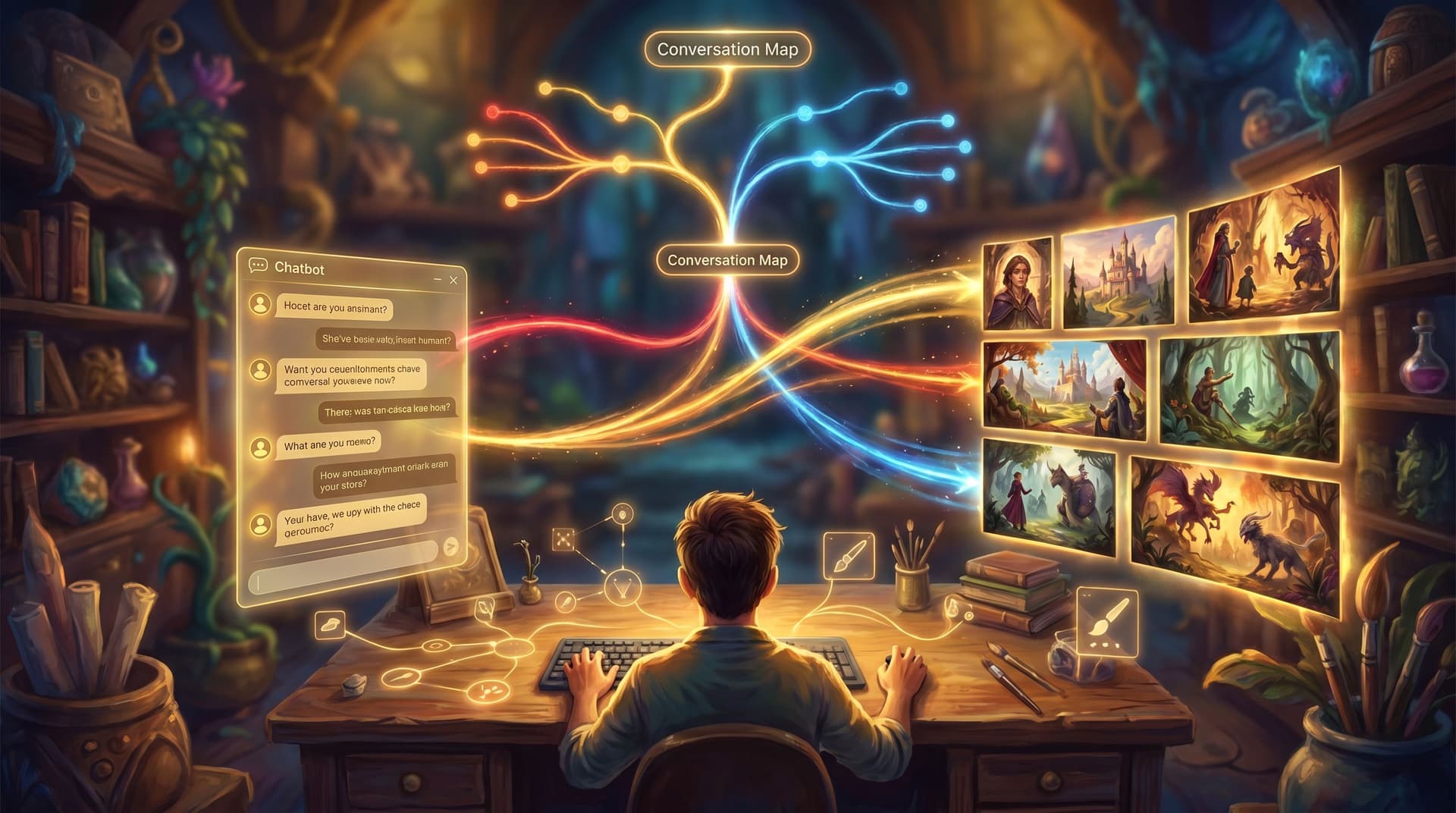
Picture This: How to Prompt AI for Consistent Characters and Worlds in Questas
Interactive Storytelling
AI Tools

Picture This: How to Prompt AI for Consistent Characters and Worlds in Questas

If you’ve ever tried to generate images for an interactive story, you’ve probably run into this problem: You love the hero in Scene 1… but by Scene 3, the AI has turned them into a completely different person. New face. New outfit. Sometimes a new species. For branching, choice-driven stories, that inconsistency breaks immersion fast. The magic of your story depends on readers believing they’re following the same character through the same world—even as choices send them down wildly different paths. That’s why learning to prompt AI for consistent characters and worlds is one of the most valuable skills you can develop as a Questas creat

Team Questas
Team Questas