Posts tagged with "No-Code"

61 posts

Branching Narratives for Busy Teams: Shipping a Complete Questas Experience in One Workday
Interactive Storytelling
AI Tools

Branching Narratives for Busy Teams: Shipping a Complete Questas Experience in One Workday

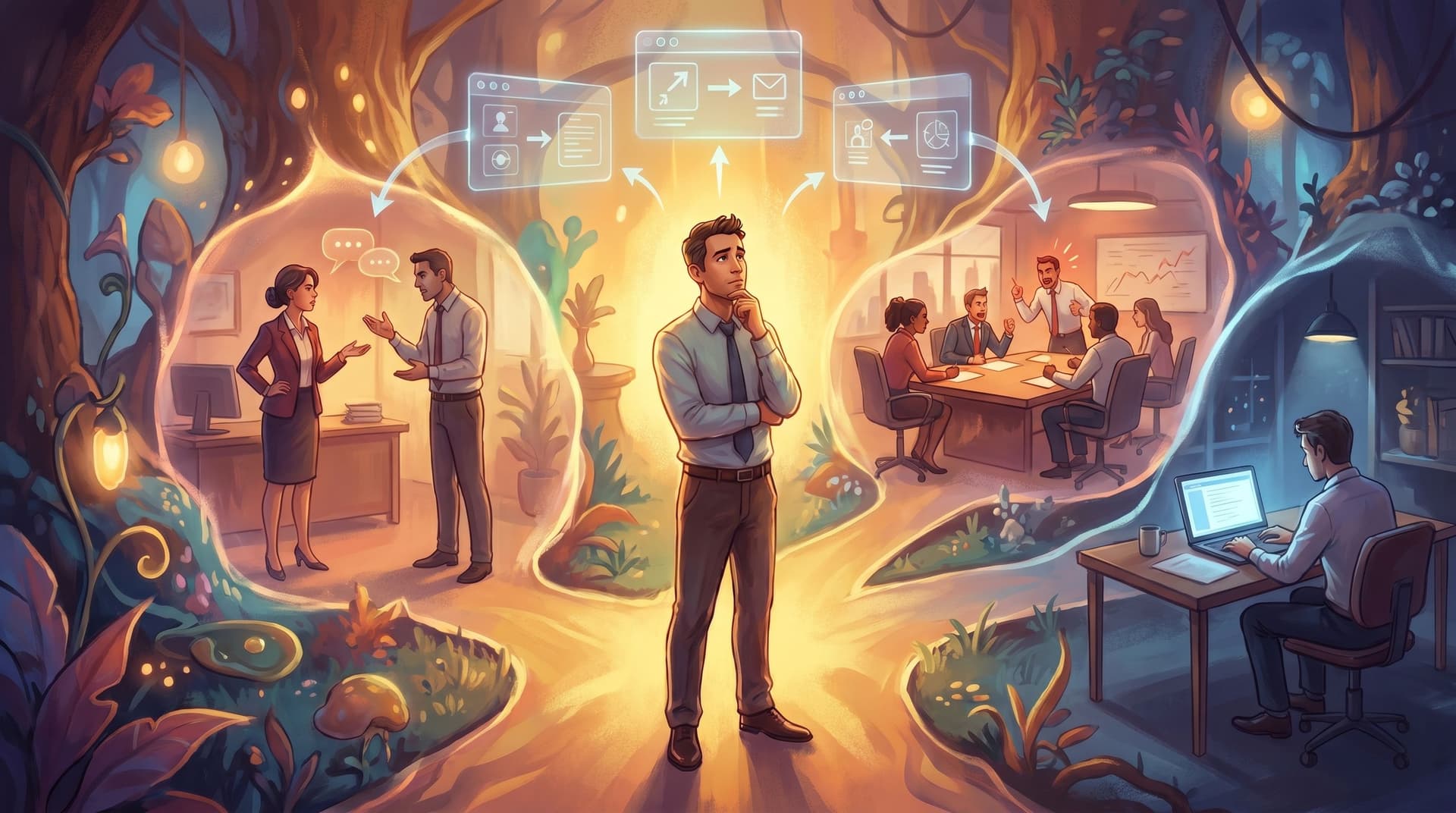
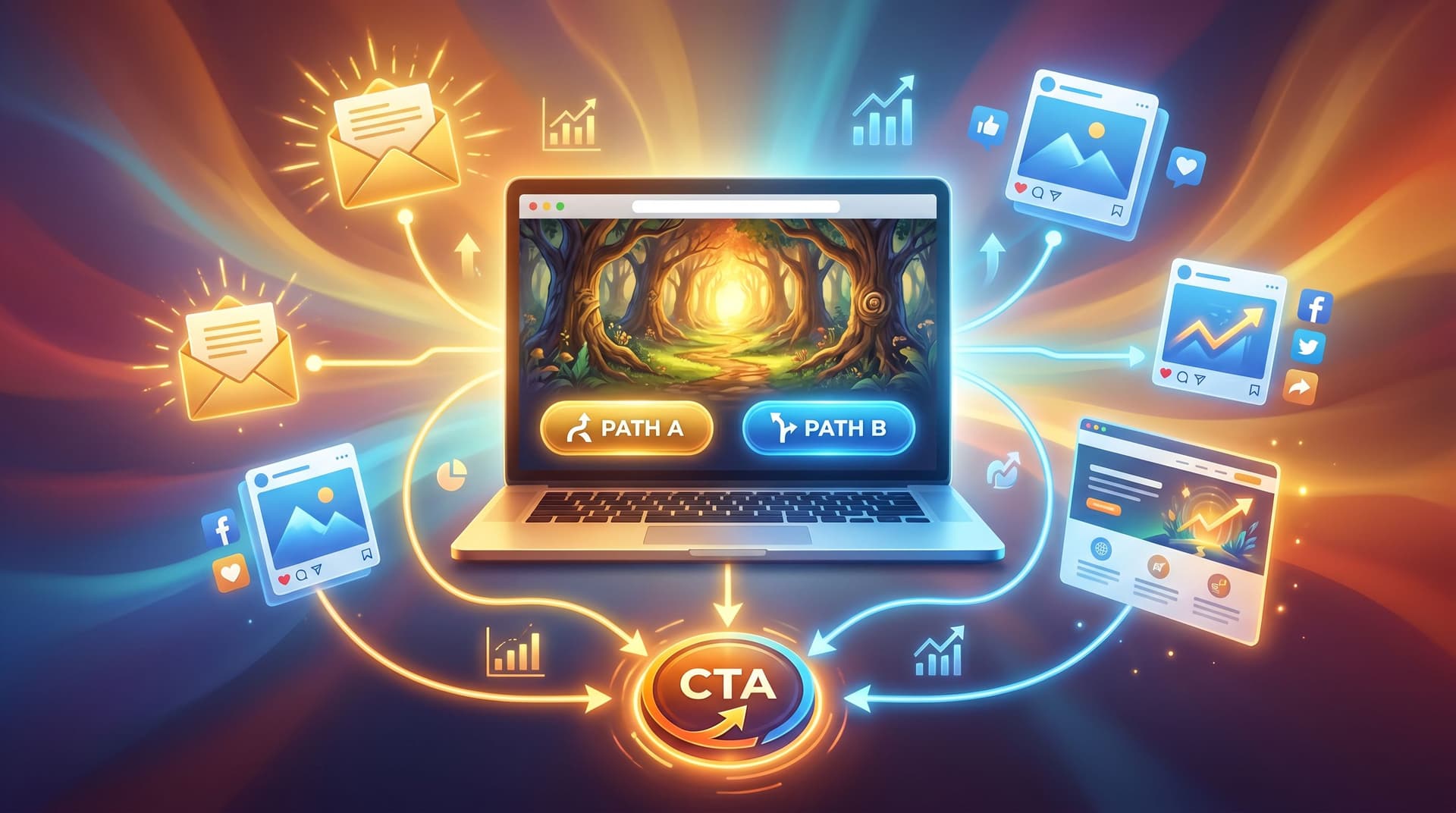
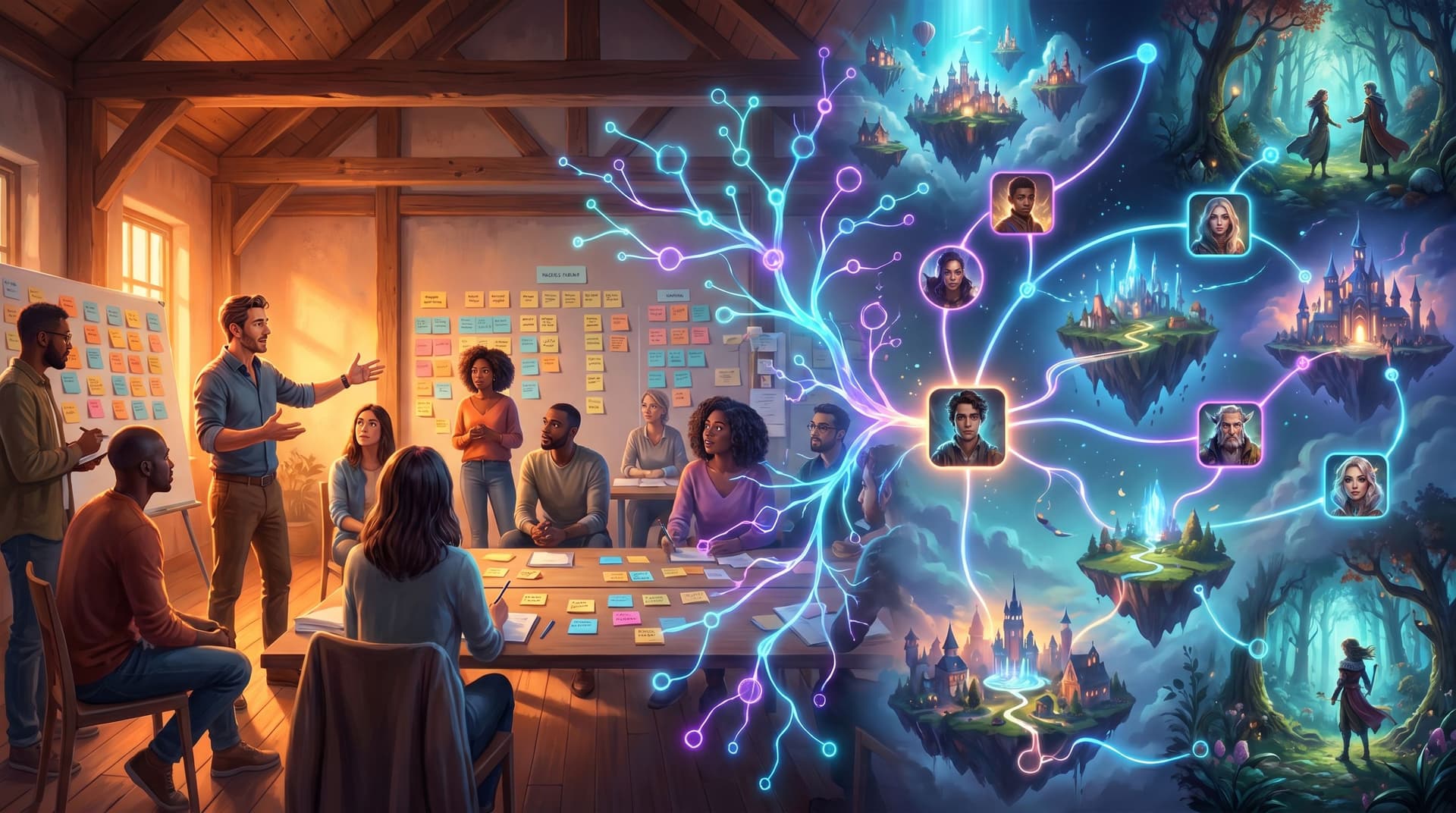
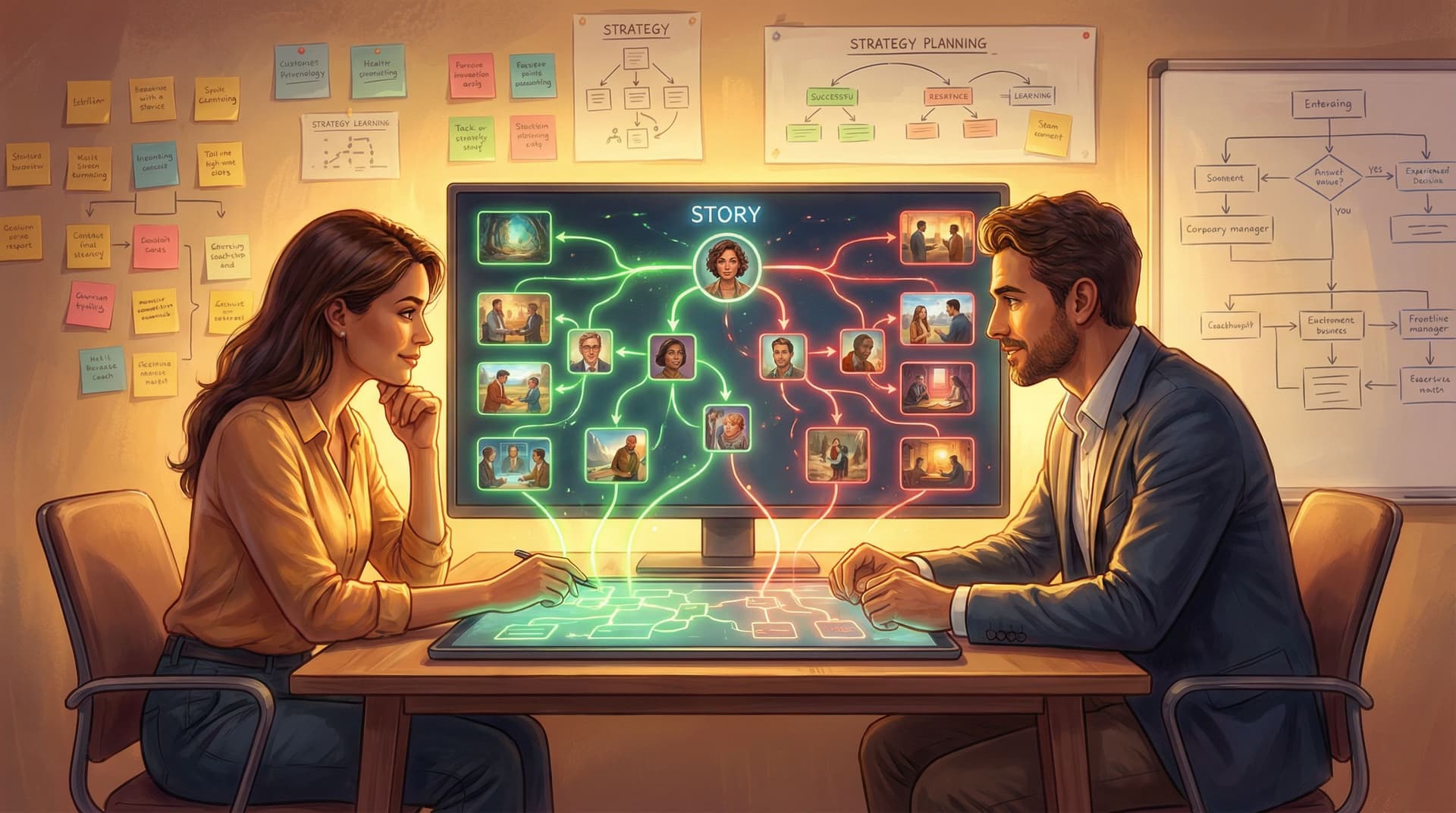
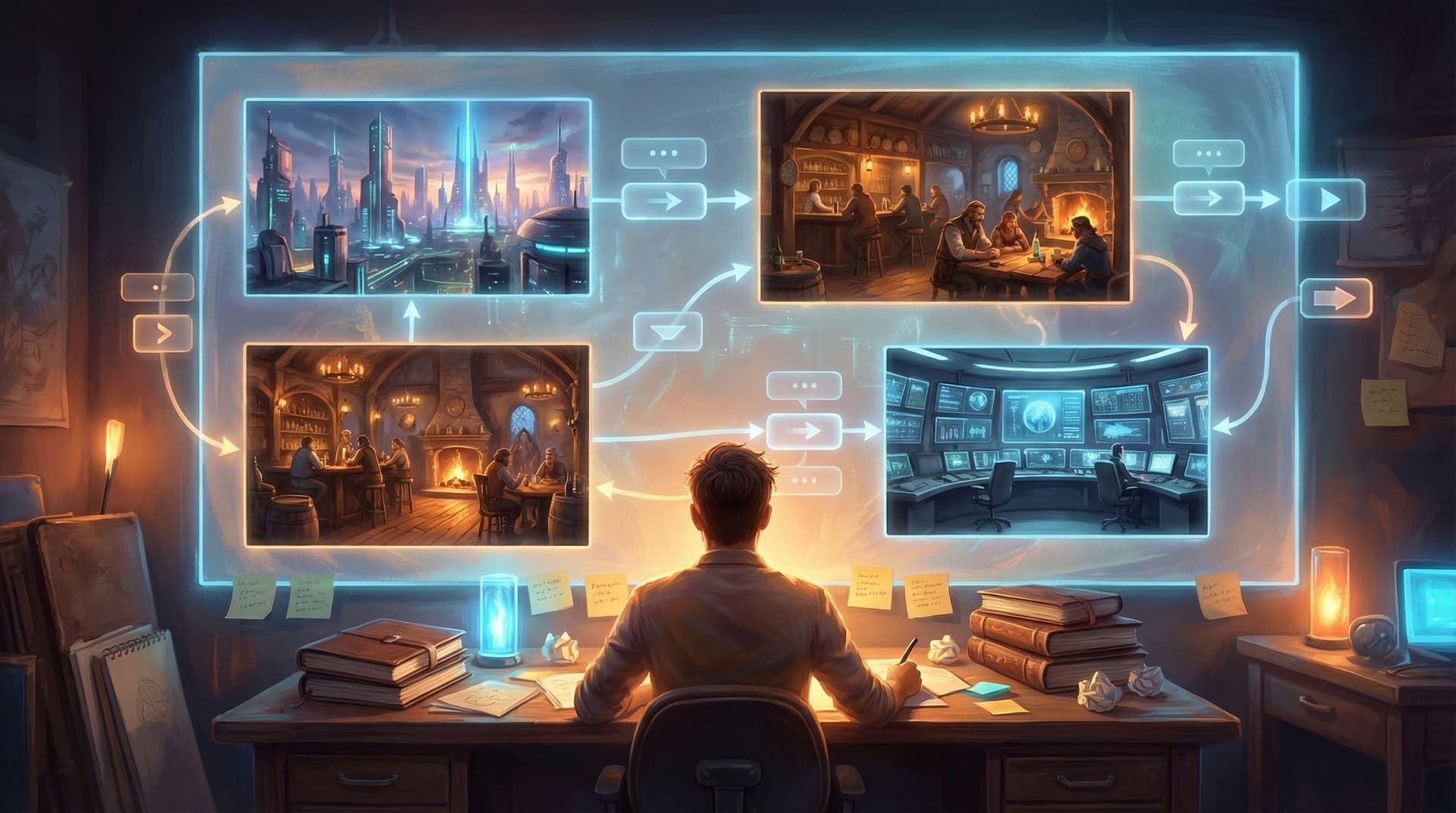
If you work on a product, learning, or marketing team, you probably know this feeling: Someone says, “We should make this interactive.” Heads nod. Everyone agrees it would be powerful. The idea quietly dies in a backlog because “we don’t have the time or resources.” This post is about breaking that pattern. With the right constraints and a clear workflow, a small team can ship a complete, polished, branching experience in a single workday using Questas. Not a prototype you’ll “finish later.” A real, shareable experience that teaches, persuades, or delights your audience. We’ll walk through how to scope, design, build, and launch in roughly 6–8 hours—without code, without a production studio, and without burning everyone ou

Team Questas
Team Questas
Visual Fail States: Using AI Imagery to Signal Risk, Reward, and Consequences in Questas
Interactive Storytelling
AI Tools

Visual Fail States: Using AI Imagery to Signal Risk, Reward, and Consequences in Questas

Interactive stories live and die on one core feeling: my choices matter. If players can’t feel the stakes of a decision—if every path looks the same, or consequences are buried in text—they’ll default to skimming and clicking whatever’s closest. That’s where visual fail states come in. On Questas, you’re already working in a visual, no‑code editor. You’re stitching together branching scenes, decisions, and AI‑generated med

Team Questas
Team Questas
Beyond Story Mode: Using Questas to Prototype Product UX, Onboarding Flows, and Interfaces
Interactive Storytelling
AI Tools

Beyond Story Mode: Using Questas to Prototype Product UX, Onboarding Flows, and Interfaces

Product teams have no shortage of tools for designing experiences: wireframes in Figma, user flows in Miro, specs in Notion, decks in Google Slides. But there’s still a gap between describing an experience and feeling it. That’s where interactive, story-driven prototypes come in. With Questas, you’re not limited to fantasy adventures or narrative game

Team Questas
Team Questas
From Clicks to Conversations: Designing Questas Stories That Spark Community and Fan Theories
Interactive Storytelling
AI Tools

From Clicks to Conversations: Designing Questas Stories That Spark Community and Fan Theories

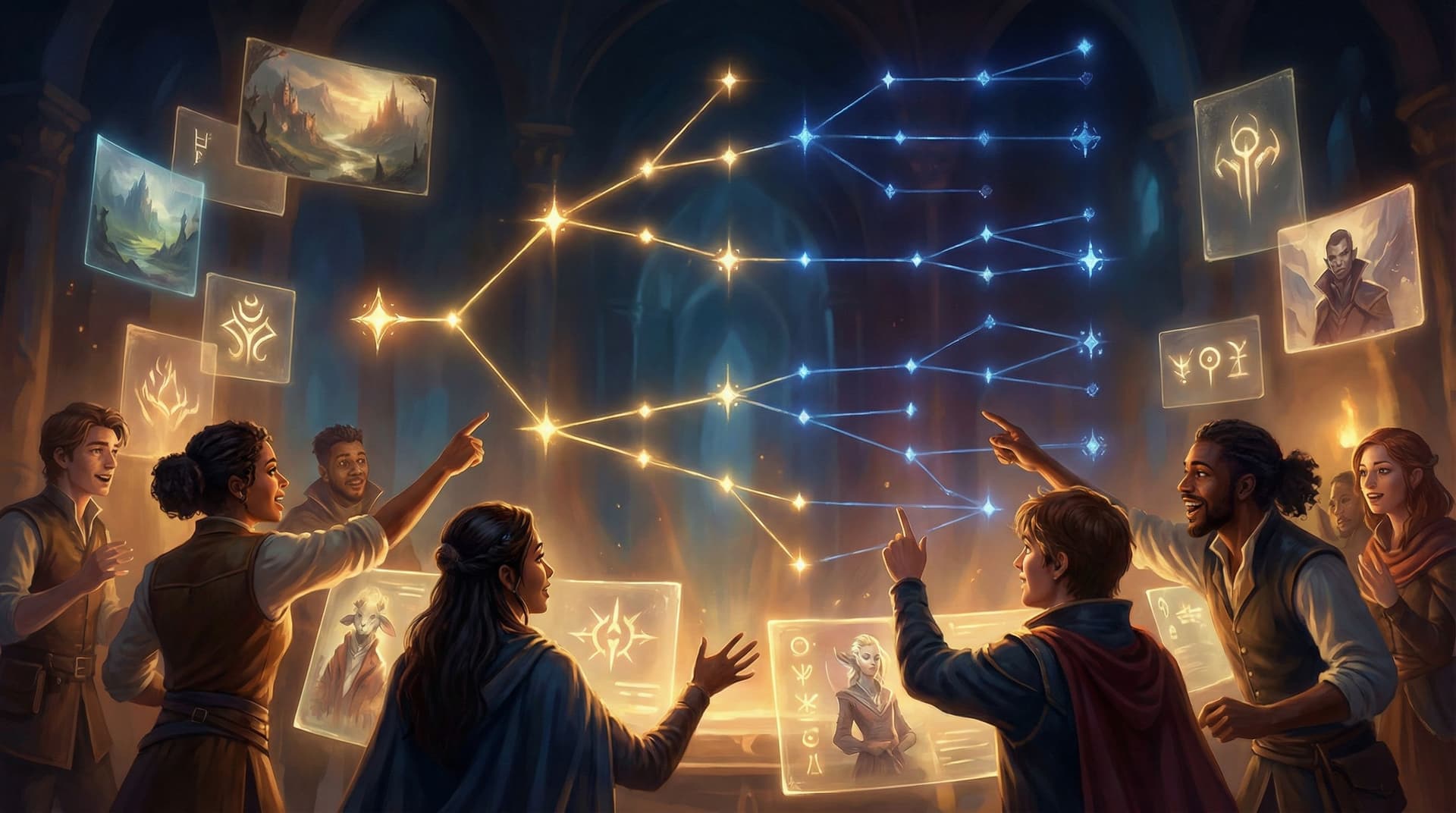
Interactive stories used to be a solo experience: you click through, reach an ending, close the tab. But the most memorable Questas aren’t just “played.” They’re talked about. They generate Discord debates about the “true” ending, Reddit threads mapping every branch, and late‑night DMs where friends argue over which choice was morally right. That shift—from isolated clicks to shared conversations—is where your work stops being content and starts becoming a community touchstone. This post is about how to design stories on Questas that invite that kind of energy: fan theories, headcanons, replays, and collaborative worldbuildi

Team Questas
Team Questas
From Style Transfer to Story Consistency: Advanced AI Visual Workflows for Questas Creators
Interactive Storytelling
AI Tools

From Style Transfer to Story Consistency: Advanced AI Visual Workflows for Questas Creators

If you’ve built more than one interactive story on Questas, you’ve probably hit this moment: “Why do my characters look different in every scene?” “Why does this one branch feel like a different art style entirely?” “How do I keep things visually cohesive without spending hours per image?” As AI image and video tools get more powerful, the bar for visual polish keeps rising. Players may happily forgive a rough line of dialogue, but they notice when a protagonist’s face changes every scene or when the mood of the art clashes with the tone of the story. This post is about moving from one-off prompts to repeatable visual systems—so your Questas feel like unified storyworlds, not AI art experiments stitched together

Team Questas
Team Questas
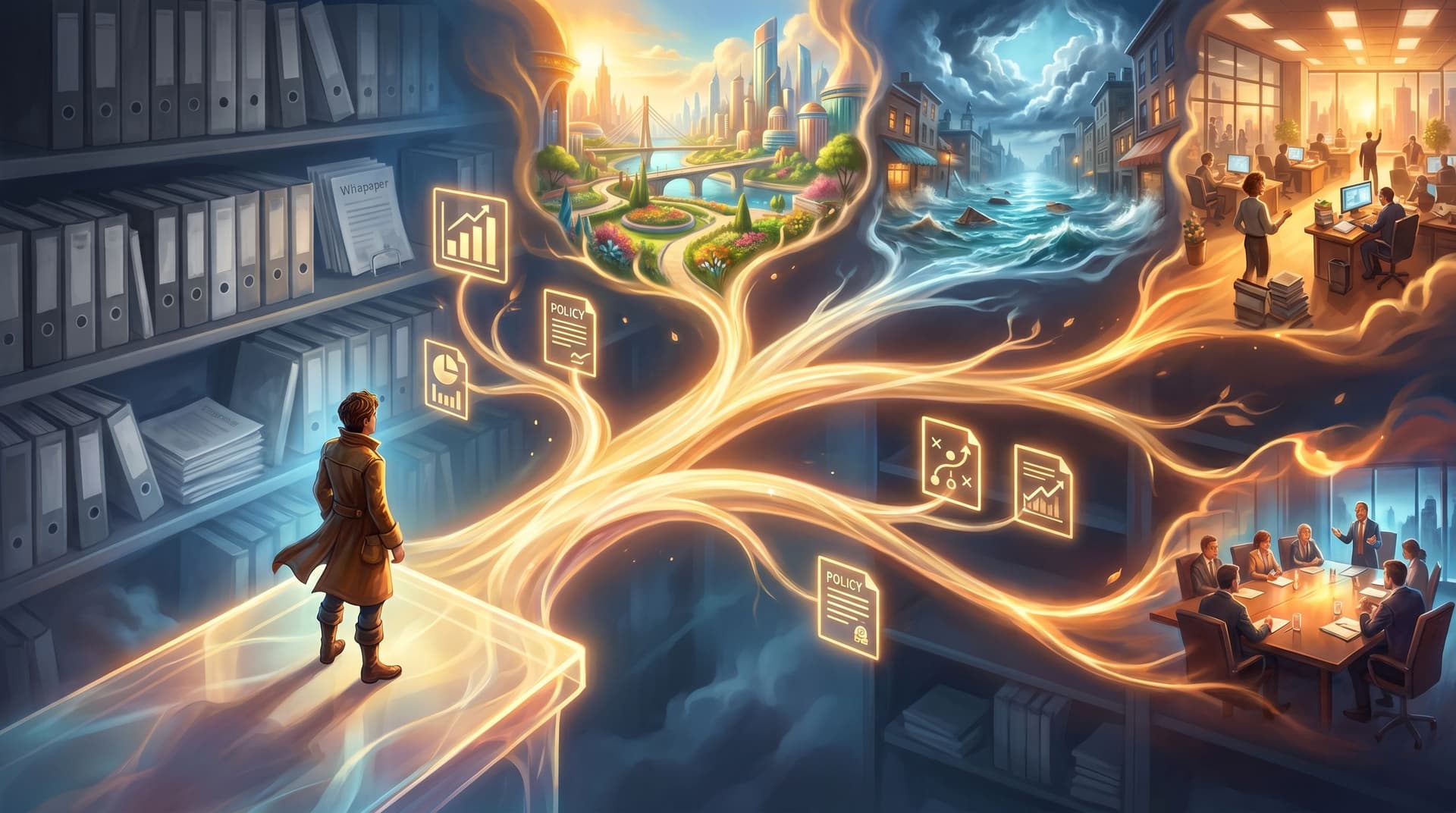
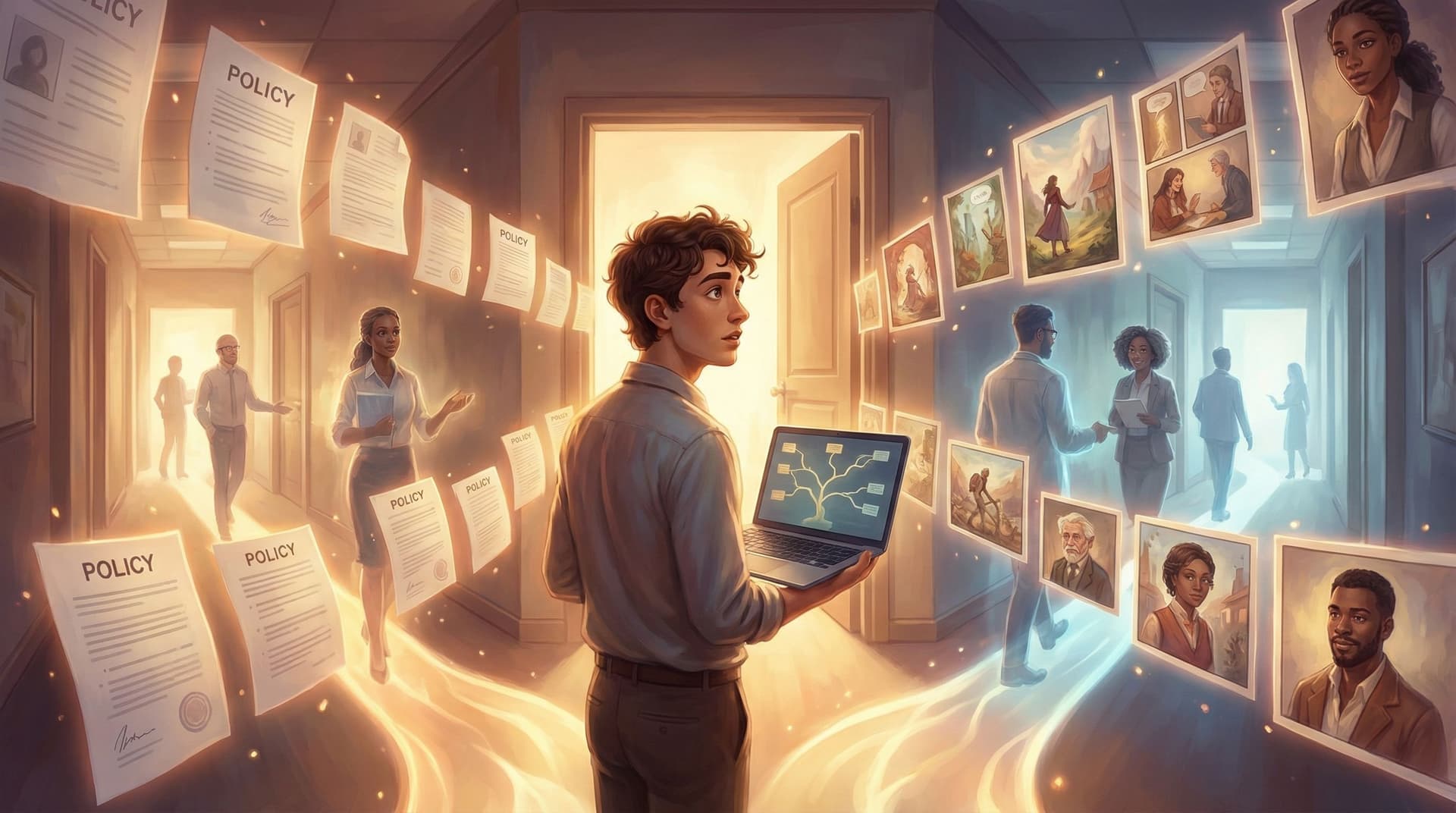
Branching Narratives for Change-Making: Using Questas to Prototype Policies, Futures, and Social Impact Campaigns
Interactive Storytelling
AI Tools

Branching Narratives for Change-Making: Using Questas to Prototype Policies, Futures, and Social Impact Campaigns

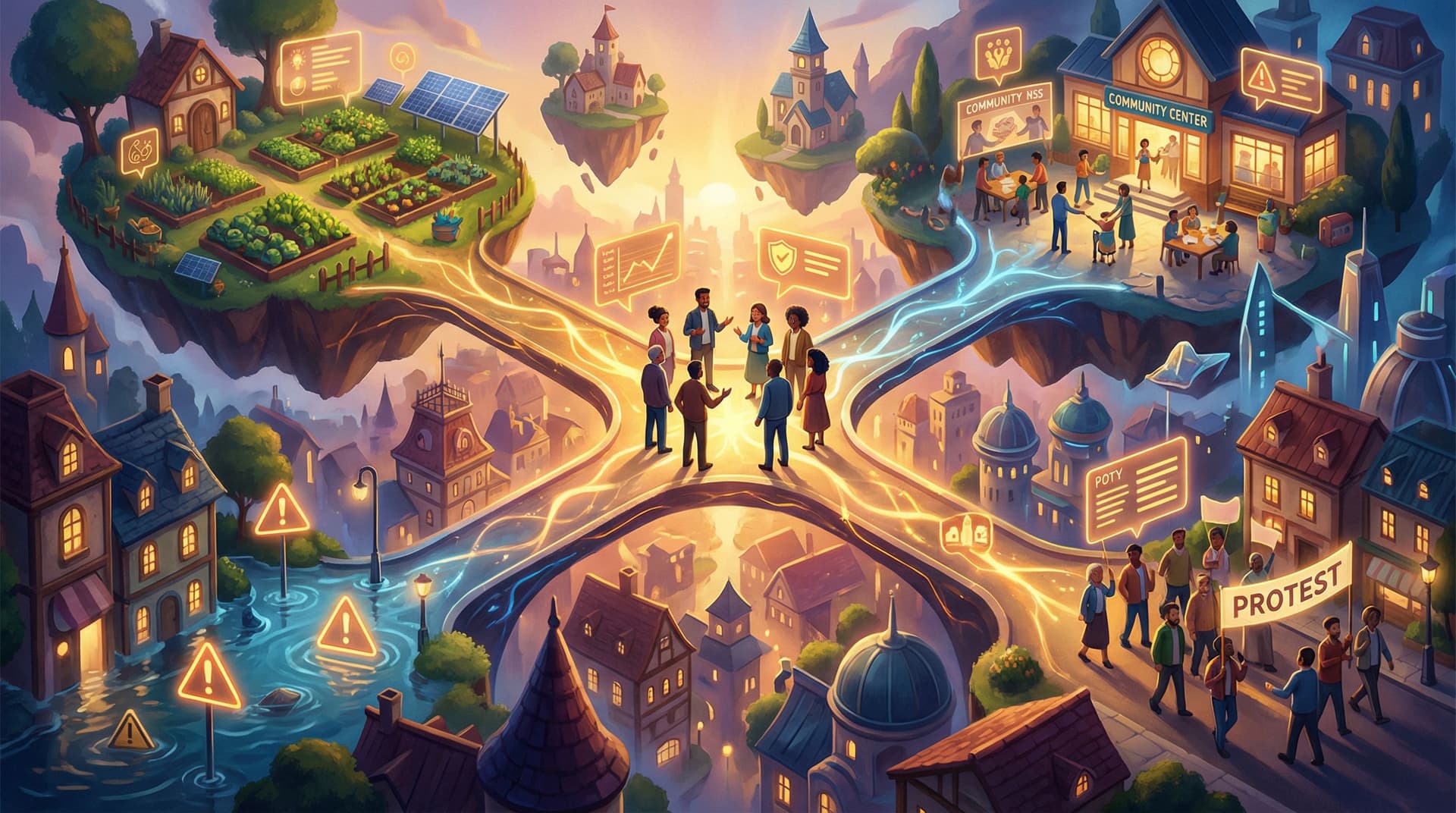
Policy memos, slide decks, and static reports rarely change behavior on their own. People skim, nod, and move on. But when you invite someone into a story where they make the choices—and immediately see the consequences—something different happens. They don’t just understand a policy or campaign; they feel it. They test it. They push on its edges. That’s where branching narratives shine as a tool for social impact, and where platforms like Questas make those narratives practical to build, test, and shar

Team Questas
Team Questas
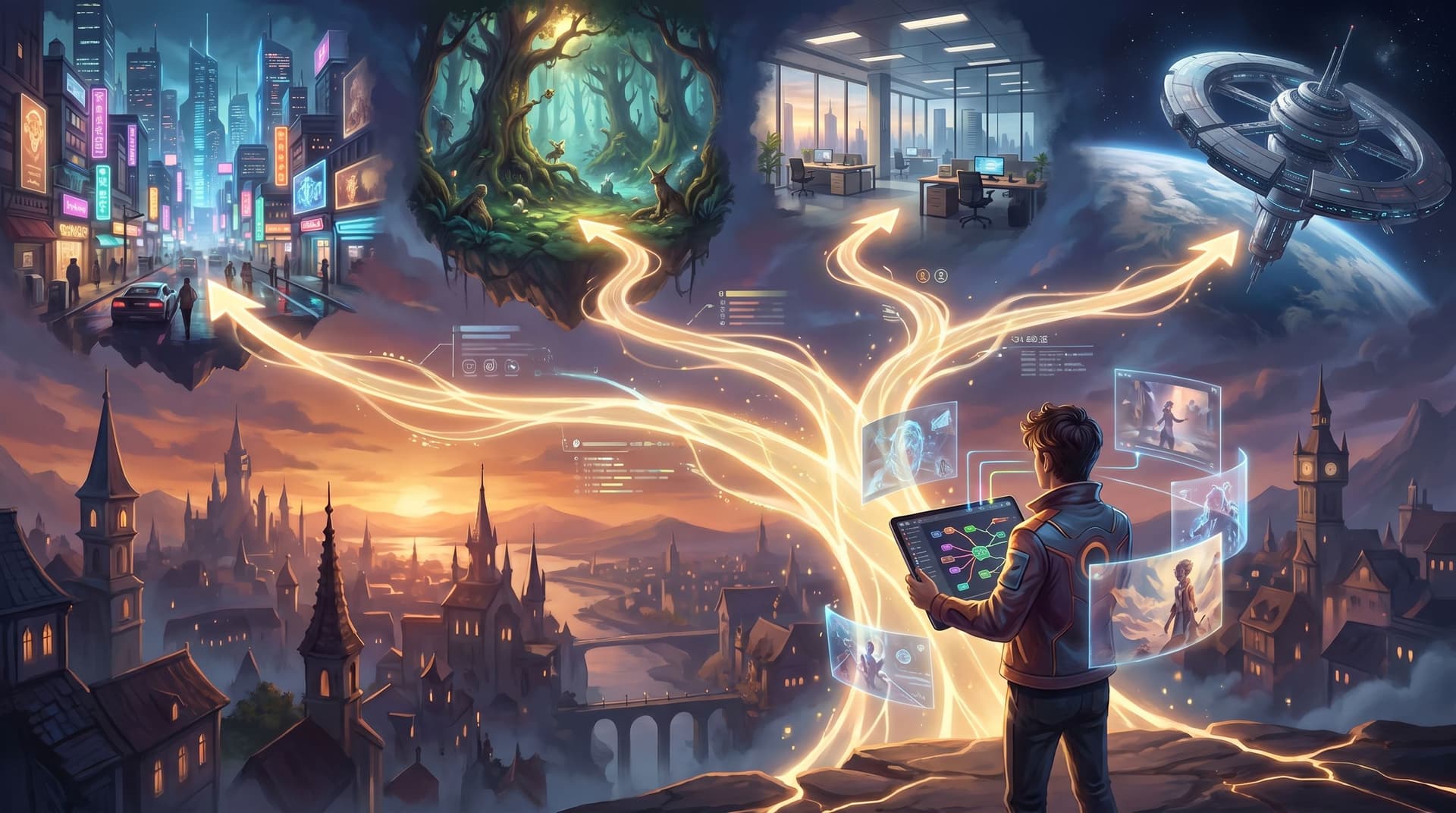
AI Art as Storyboard: Rapidly Prototyping Adventure Worlds Before You Write a Single Line
Interactive Storytelling
AI Tools

AI Art as Storyboard: Rapidly Prototyping Adventure Worlds Before You Write a Single Line

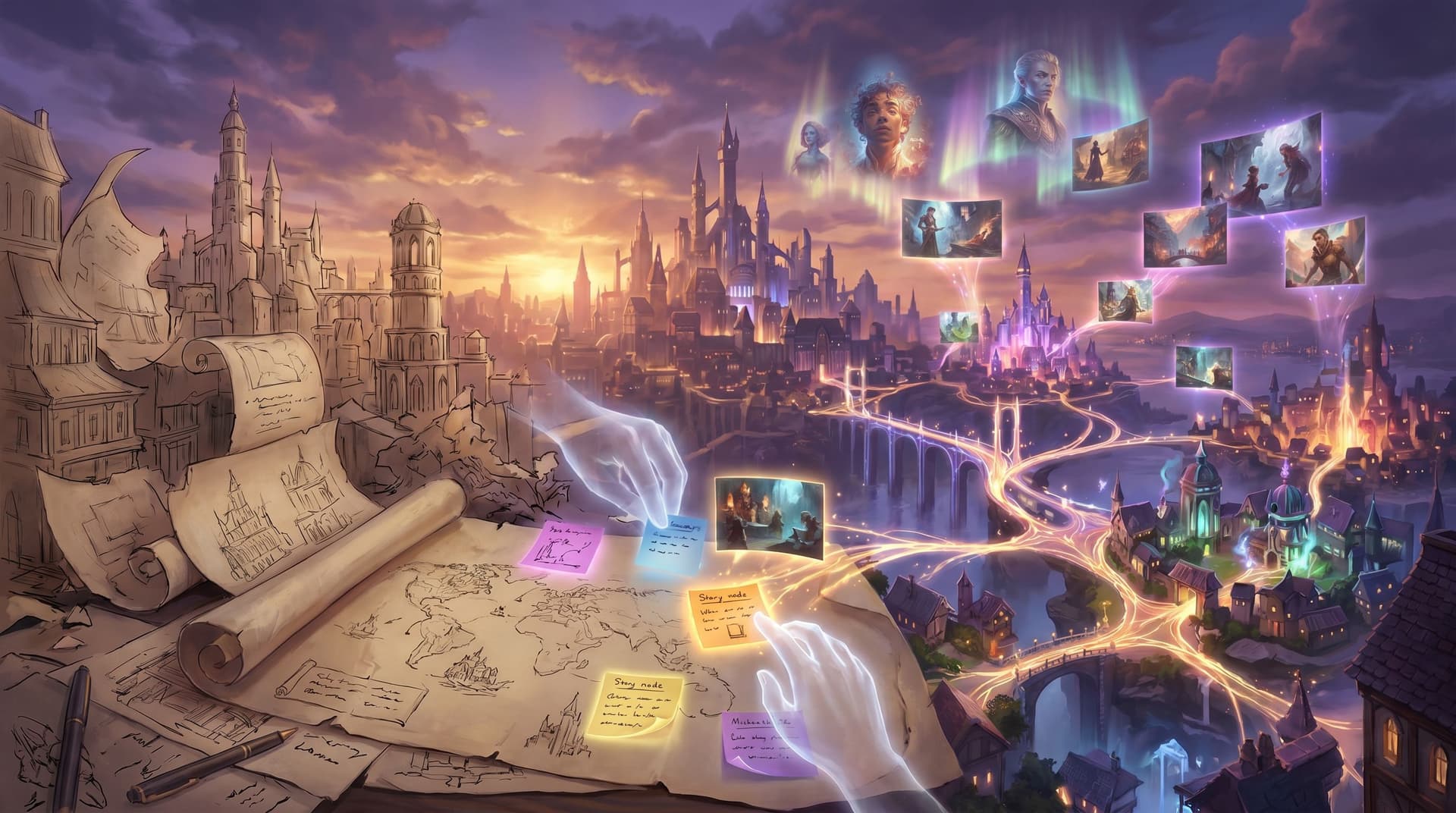
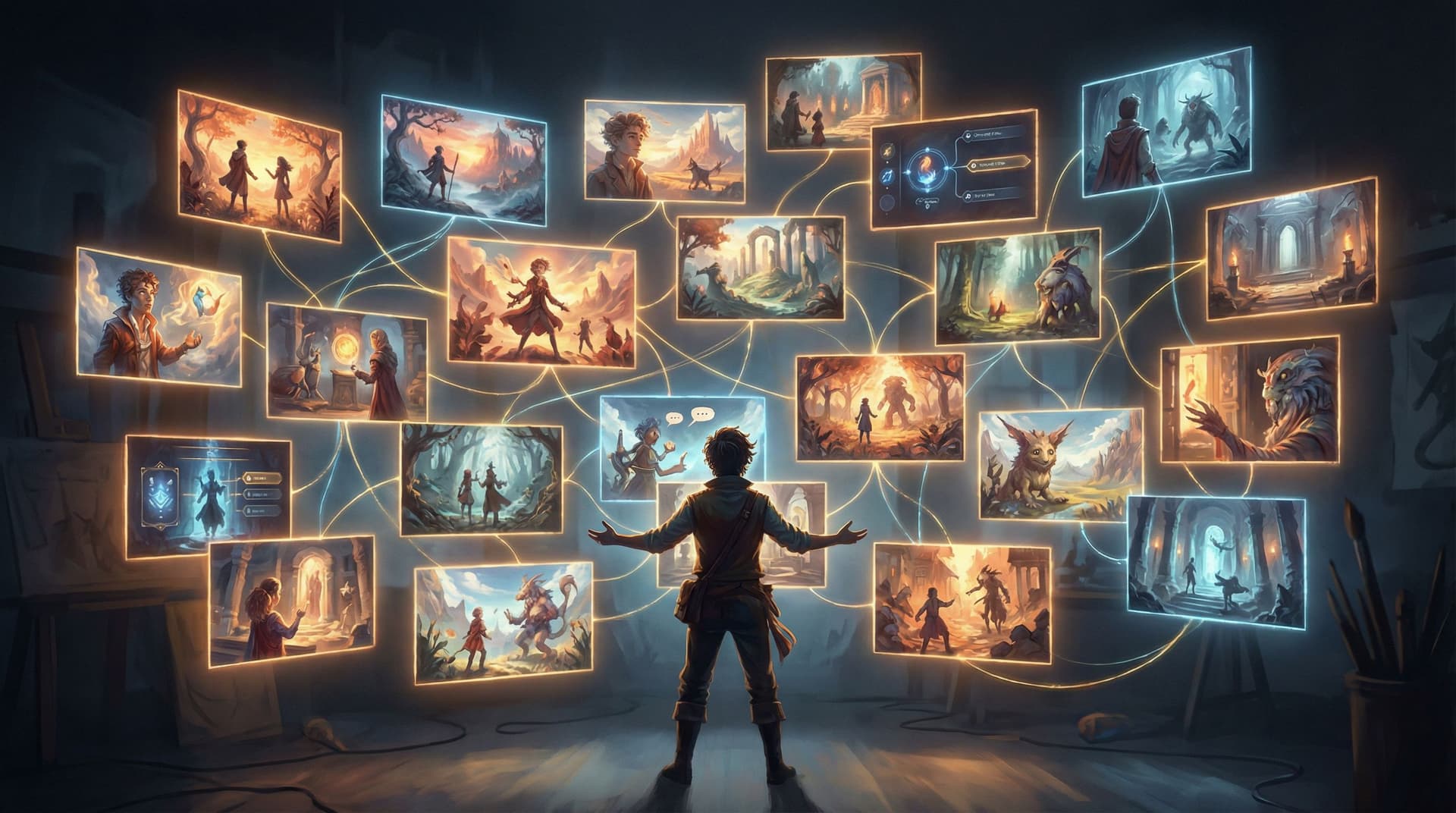
If you’ve ever stared at a blank page thinking, “I know there’s an incredible world in my head, but I can’t see it yet,” this post is for you. AI image generation has quietly become one of the most powerful pre-writing tools available to storytellers. Instead of wrestling with paragraphs of exposition, you can sketch your entire adventure world in images first—then let those visuals guide your plot, characters, and branching paths. For interactive creators working in platforms like Questas, where scenes, choices, and AI-generated media all live in a visual editor, this approach is a game-changer. You’re not just decorating a finished story; you’re designing the story through the ar

Team Questas
Team Questas
Branching Narratives on a Budget: How Solo Creators Can Ship Polished Questas Without Burning Out
Interactive Storytelling
AI Tools

Branching Narratives on a Budget: How Solo Creators Can Ship Polished Questas Without Burning Out

If you’re a solo creator, you’ve probably felt the tug-of-war between ambition and capacity. You want: Rich, branching stories instead of flat, linear plots Gorgeous visuals that feel cohesive and intentional An experience that feels finished, not like a perpetual work-in-progress But you also have: Limited time Limited budget Limited energy after the rest of life happens This post is about closing that gap—how to design, build, and ship polished interactive stories on Questas without burning yourself out or disappearing into a 6‑month rabbit hole. We’ll focus on practical constraints, smart scope, and repeatable workflows so you can actually finish what you start—and be proud of i

Team Questas
Team Questas
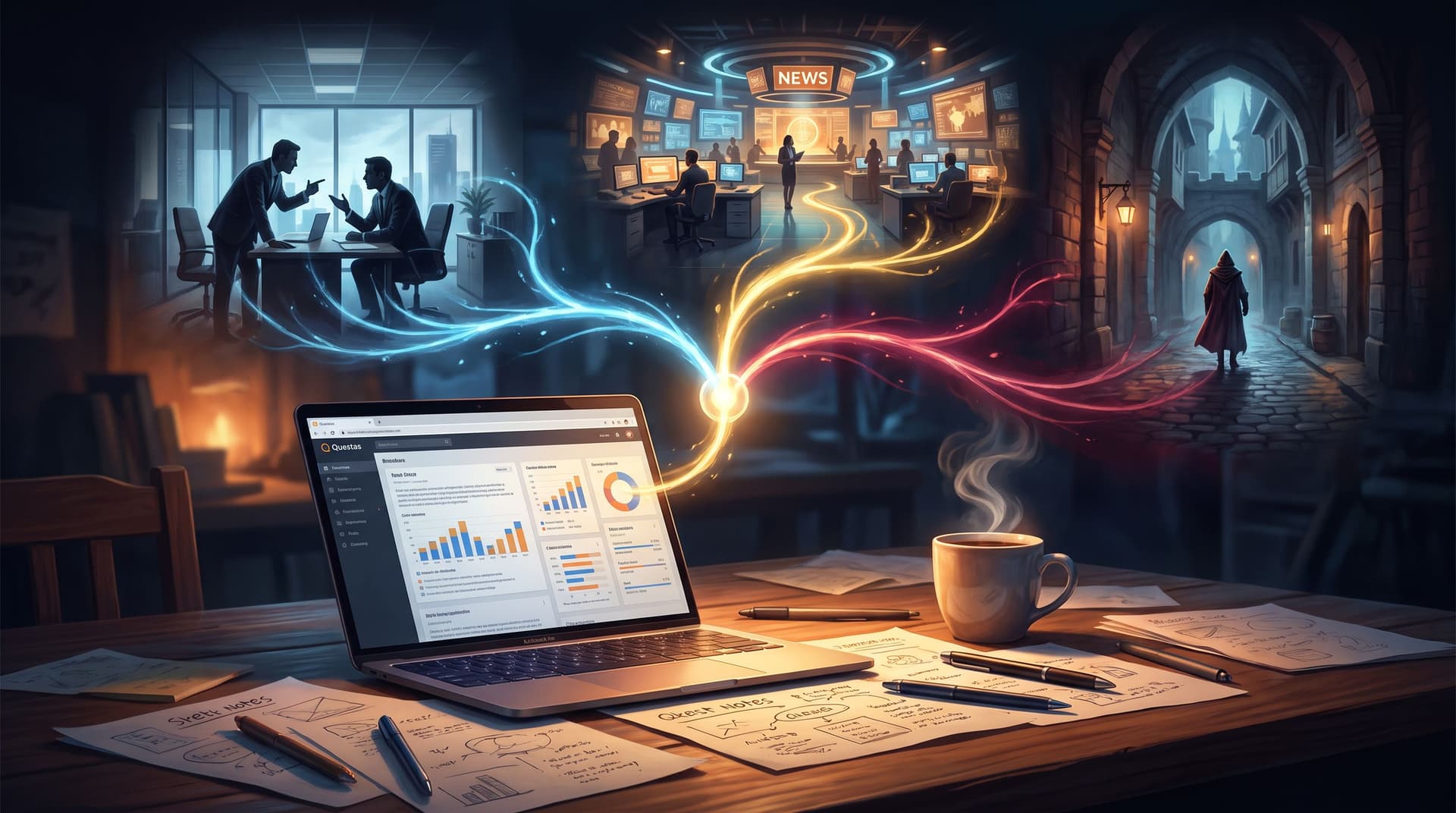
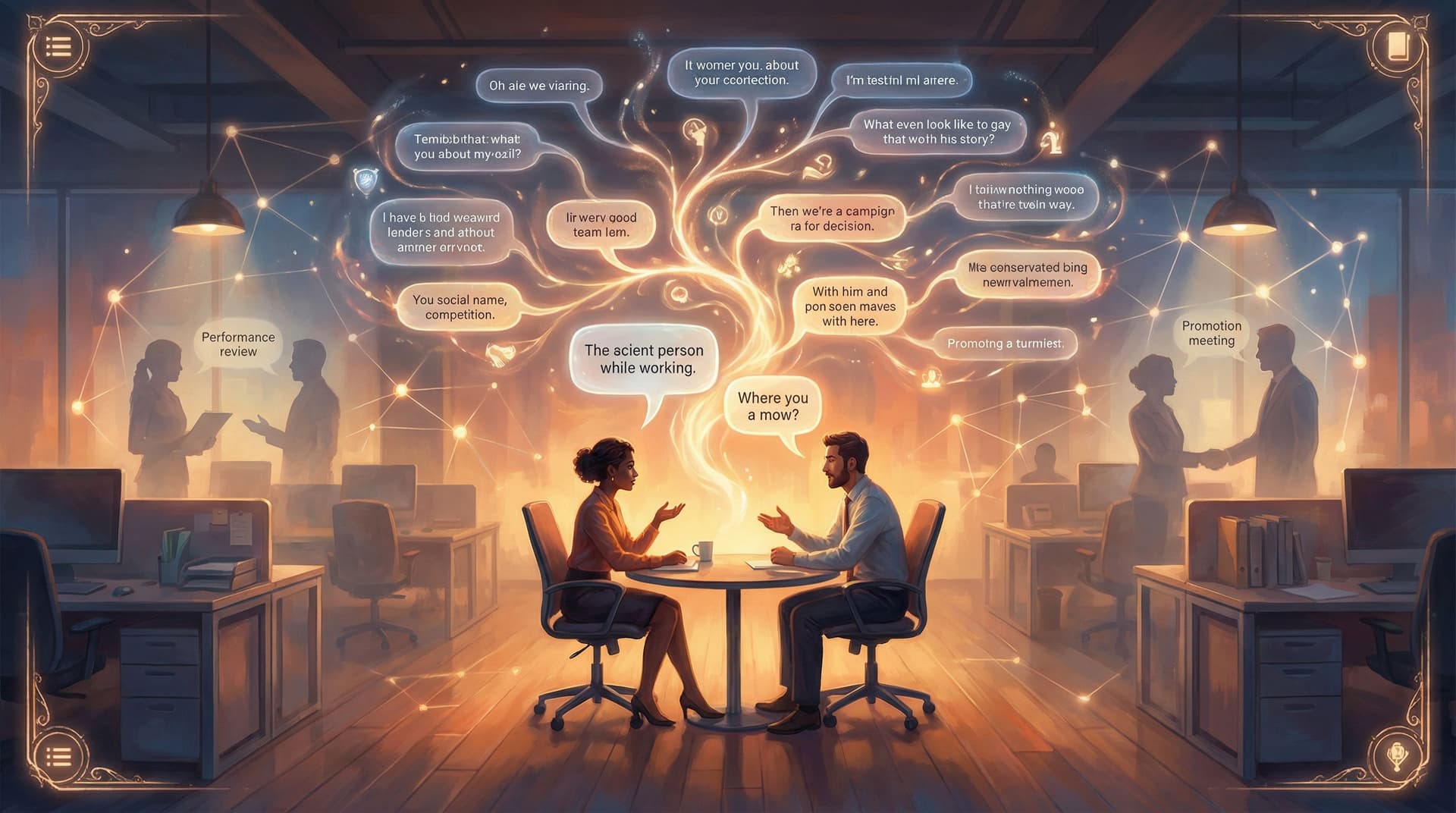
From Chat Transcript to Quest: Turning Customer Support Logs into Interactive Training Scenarios
Interactive Storytelling
AI Tools

From Chat Transcript to Quest: Turning Customer Support Logs into Interactive Training Scenarios

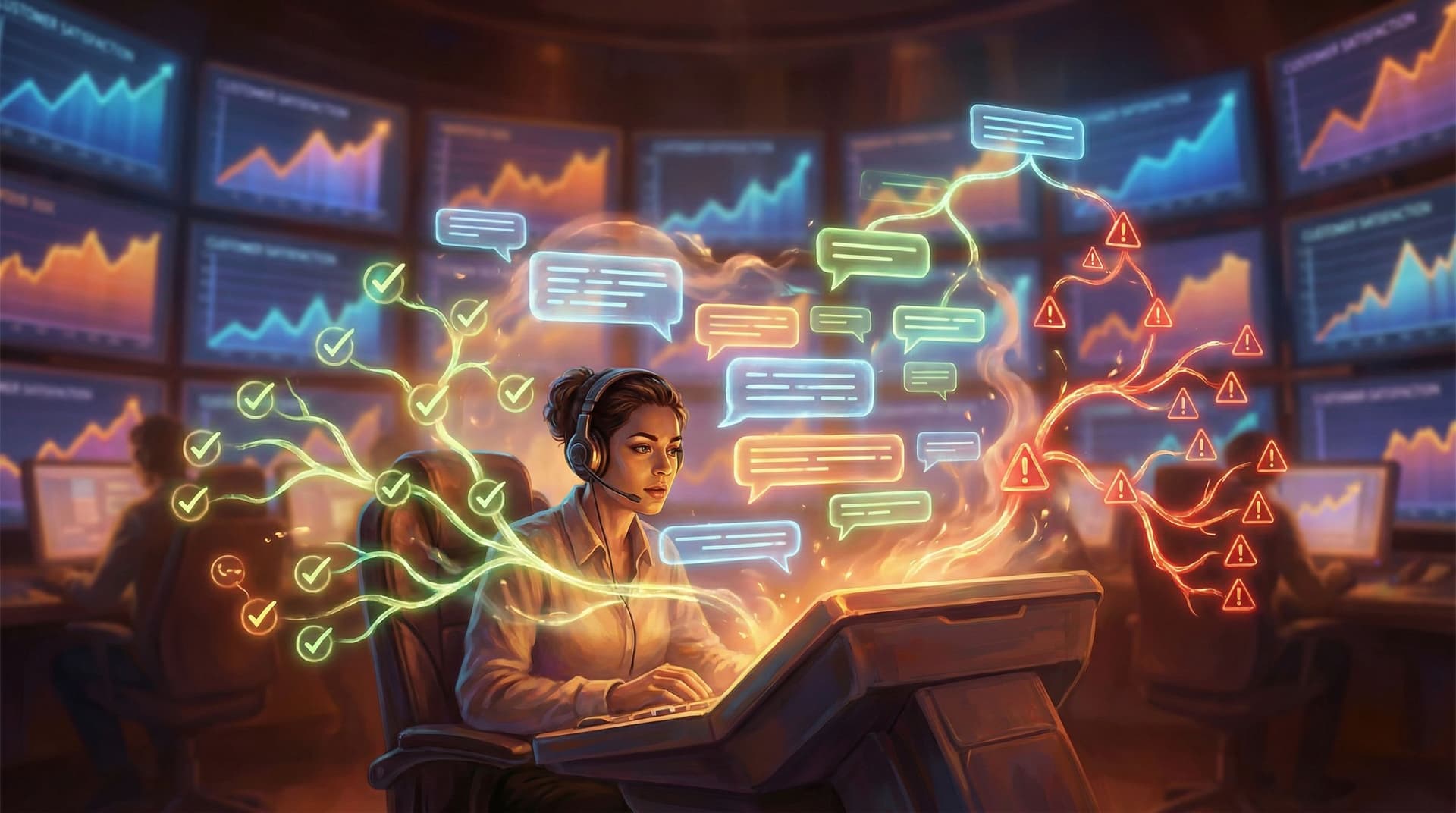
Customer support chats are some of the richest training material your company already owns—and also some of the least used. They’re where real customers express real confusion, frustration, urgency, and delight. They reveal: What people actually struggle with (vs. what your docs assume) How your team really responds under pressure Where policies, tools, or handoffs quietly fall apart But most of that gold is trapped in raw transcripts, QA spreadsheets, or the occasional “interesting case” someone brings up in a meeting. Interactive, branching training scenarios change that. Instead of telling agents what “good” looks like, you let them play through realistic conversations, make decisions, feel the pressure—and see the consequence

Team Questas
Team Questas
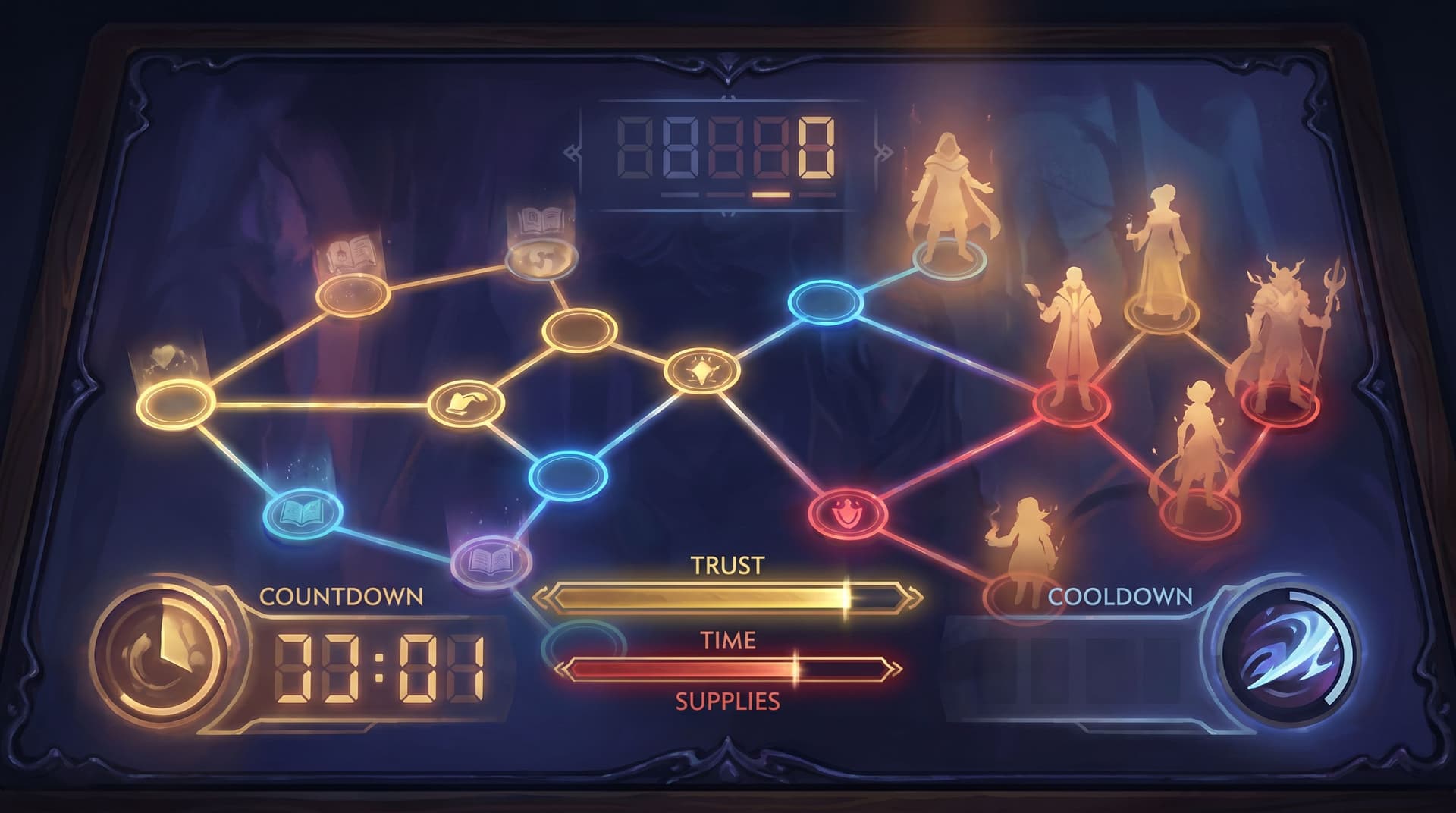
Beyond Linear Lore: Building Diegetic UIs, In-World Menus, and ‘Found Interfaces’ in Questas
Interactive Storytelling
AI Tools

Beyond Linear Lore: Building Diegetic UIs, In-World Menus, and ‘Found Interfaces’ in Questas

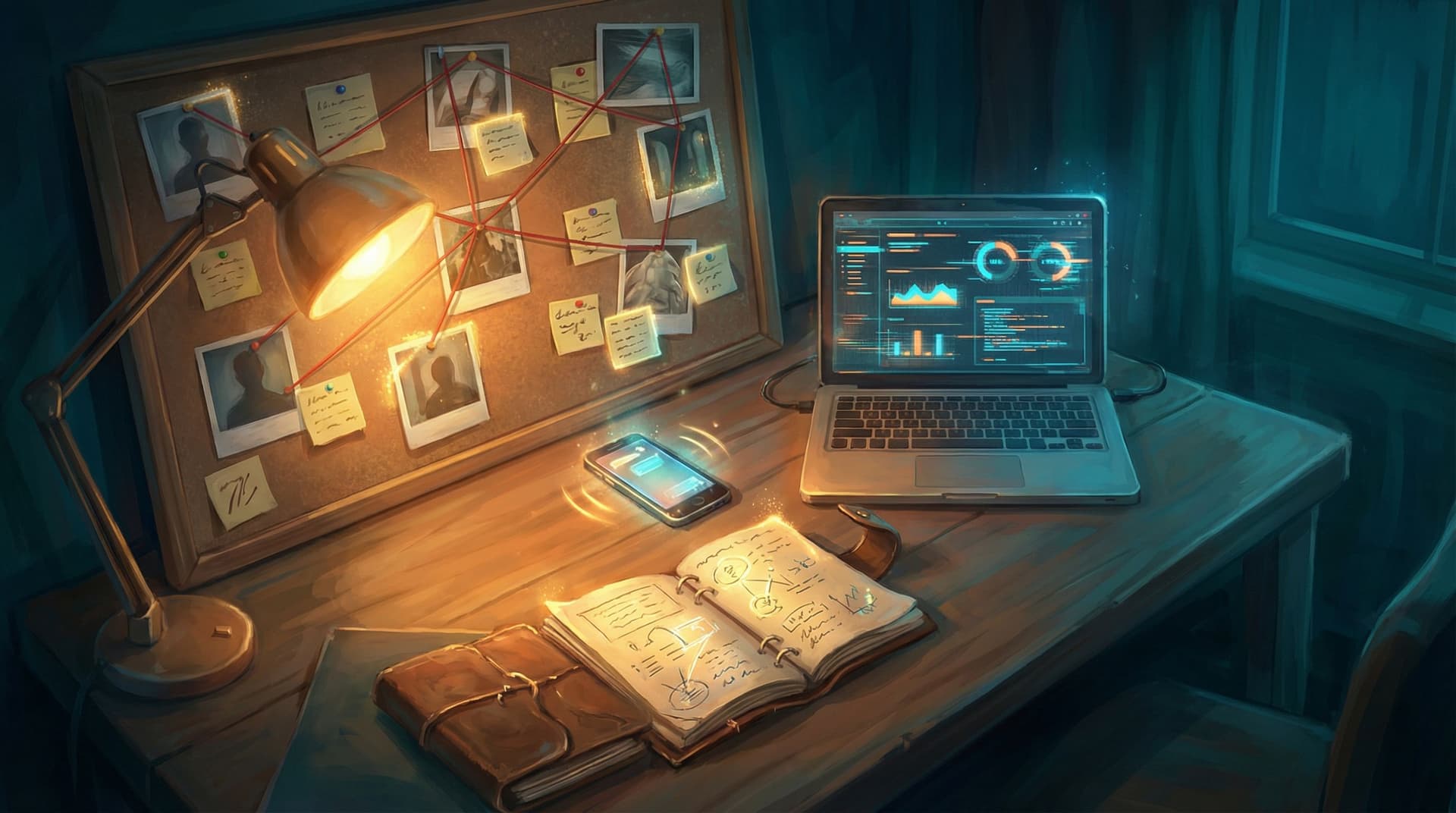
Most interactive stories still borrow their interfaces from software, not from stories. Buttons float over a scene. Menus slide up from the bottom. Stats and inventory live in tidy panels. It works—but it also reminds players they’re looking at a story, not living inside it. Diegetic UI flips that. Instead of treating interface as a layer on top of the world, you treat it as part of the world itself: The “menu” is a battered field notebook your character flips open. The “quest log” is a corkboard covered in red string and Polaroids. The “choice buttons” are sticky notes on a monitor, labels on vials, or dialogue options scribbled on a receip

Team Questas
Team Questas
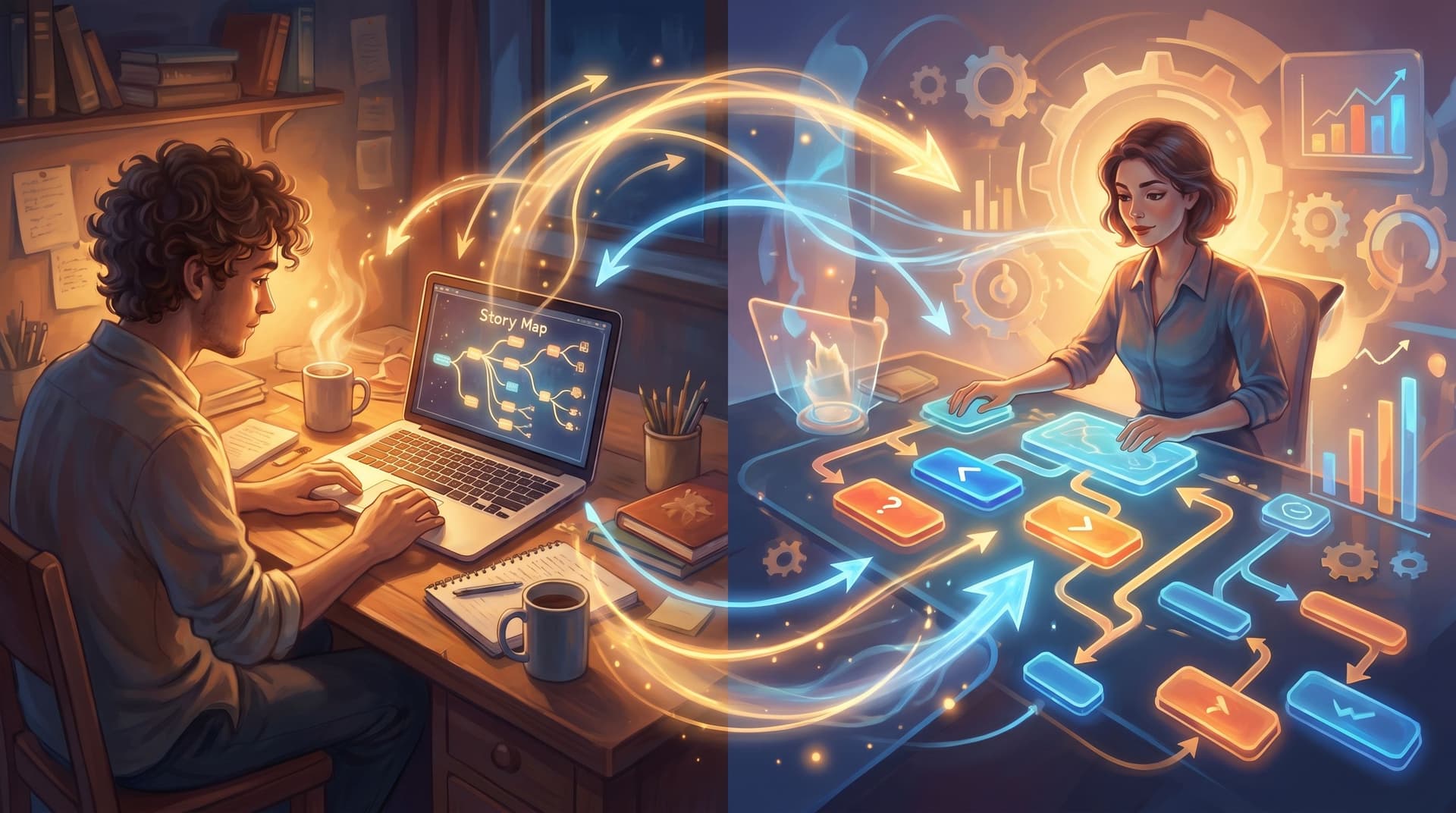
Story Prototyping for Product Teams: Turning User Flows into Playable Questas Scenarios
Interactive Storytelling
AI Tools

Story Prototyping for Product Teams: Turning User Flows into Playable Questas Scenarios

Product teams already think in flows: onboarding funnels, upgrade paths, incident runbooks, support journeys, sales demos. But those flows usually live as static artifacts—Figma diagrams, Miro boards, Confluence pages, or dense PRDs that only a few people ever read closely. Story prototyping flips that. Instead of describing how a user journey should feel, you let people play through it. With a platform like Questas, you can turn user flows into interactive, choose‑your‑own‑adventure scenarios—complete with AI‑generated images and video—that anyone on your team (or in your customer base) can click through. No engineering sprint. No custom buil

Team Questas
Team Questas
Low-Lift, High-Impact: Weekend Questas Projects for Writers, Educators, and Marketers
Interactive Storytelling
AI Tools

Low-Lift, High-Impact: Weekend Questas Projects for Writers, Educators, and Marketers

You don’t need a studio budget, a dev team, or a six‑month production schedule to build an interactive story that genuinely moves people. Give yourself a single weekend, a clear scope, and a tool like Questas, and you can ship something that: Delights your readers or students Teaches a concept more deeply than a slide deck ever could Warms up a marketing audience with an experience they choose to engage with This post is a practical guide to “weekend‑sized” projects—low‑lift, high‑impact Questas builds that writers, educators, and marketers can realistically finish between Friday night and Sunday evening

Team Questas
Team Questas
Beyond Click-Throughs: Measuring Learning, Alignment, and Engagement in Narrative Experiences Like Questas
Interactive Storytelling
AI Tools

Beyond Click-Throughs: Measuring Learning, Alignment, and Engagement in Narrative Experiences Like Questas

Most analytics dashboards were built for pages and funnels, not for stories. They’re great at telling you: How many people clicked a button Where traffic came from Which device someone used But if you’re building interactive narratives—training simulations, onboarding journeys, brand stories, fan worlds—those numbers miss the real questions: Did people actually learn anything? Did the experience change what they do next? Did they feel seen, understood, and aligned with your goals or values? If you’re creating branching adventures with a platform like Questas, you’re not just chasing clicks. You’re designing experiences that should teach, persuade, or transfor

Team Questas
Team Questas
Designing Branching Narratives for Neurodiverse Audiences: Attention, Overwhelm, and Choice Architecture
Interactive Storytelling
AI Tools

Designing Branching Narratives for Neurodiverse Audiences: Attention, Overwhelm, and Choice Architecture

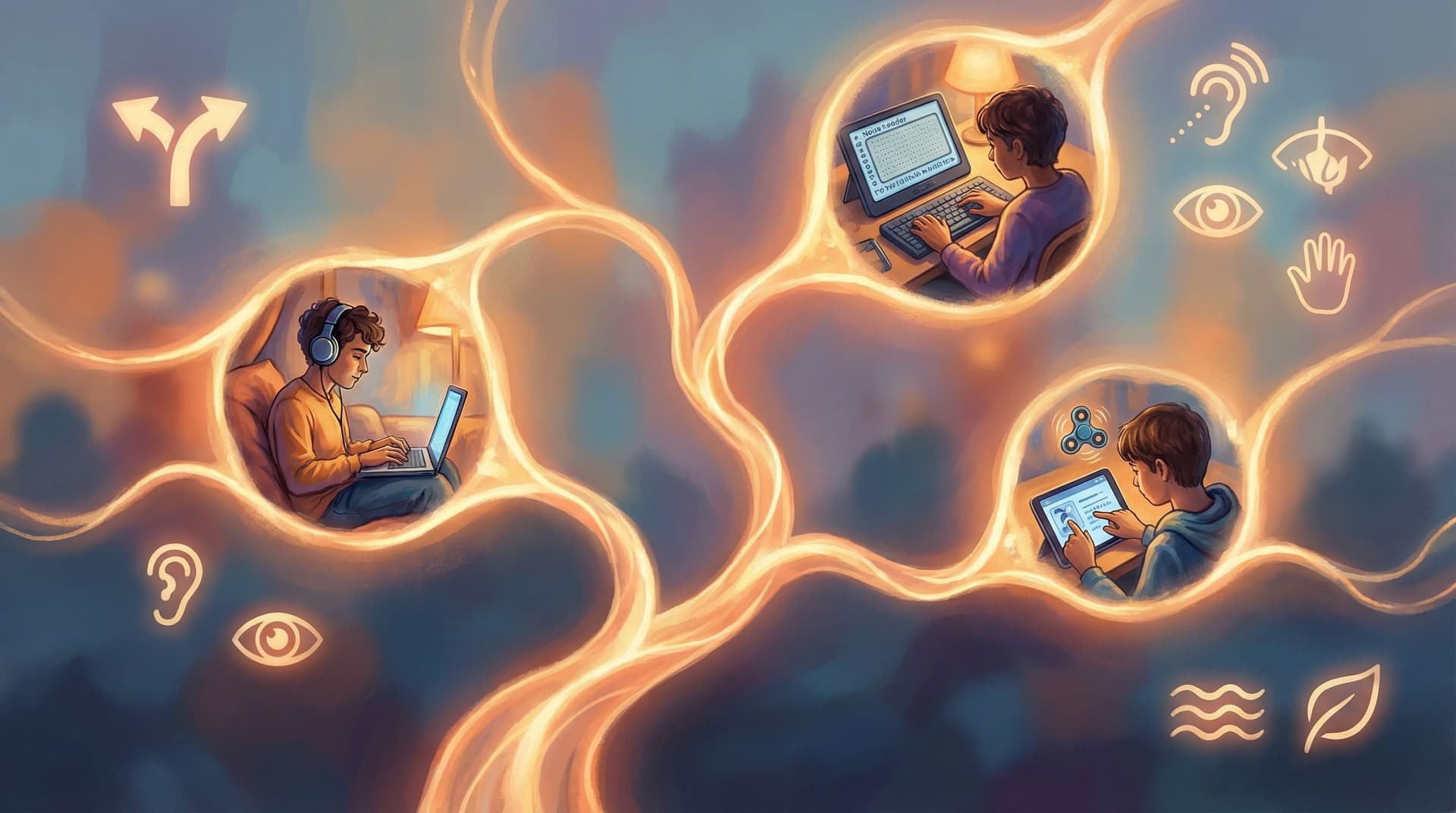
Designing interactive stories is always an act of empathy. When your audience includes ADHD, autistic, dyslexic, or otherwise neurodivergent players, that empathy has to be built into every click, branch, and visual. You’re not just asking, “What happens next?” You’re asking: How much information can someone comfortably hold right now? What kinds of choices feel energizing vs. exhausting? What does “too much” look like—for text, visuals, sound, and stakes? Thoughtful choice architecture and sensory-aware design can turn your branching narrative into a space where neurodiverse players feel seen, safe, and in control—instead of overwhelmed or shut ou

Team Questas
Team Questas
From Fandom to Fiction: Turning Your Favorite IP (Legally!) into Questas-Inspired Adventure Worlds
Interactive Storytelling
AI Tools

From Fandom to Fiction: Turning Your Favorite IP (Legally!) into Questas-Inspired Adventure Worlds

Every creator knows the itch: you finish a season of your favorite show, close the last page of a beloved series, or log off a game you’ve sunk 200 hours into—and your brain immediately starts spinning what if scenarios. What if the side character got their own quest? What if the final battle went the other way? What if you could play through the fan theories instead of just reading them? Interactive stories are a perfect outlet for that energy, and platforms like Questas make it possible to build branching, visual adventures without writing a line of code. But there’s a big, unavoidable question: How do you channel your fandom into story worlds without stepping on someone else’s intellectual prope

Team Questas
Team Questas
From Branches to Beats: Using Story Rhythm to Keep Players Clicking in Long Questas
Interactive Storytelling
AI Tools

From Branches to Beats: Using Story Rhythm to Keep Players Clicking in Long Questas

From Branches to Beats: Using Story Rhythm to Keep Players Clicking in Long Questas Interactive stories don’t lose players because you ran out of ideas. They lose players because you ran out of rhythm. You can have rich worldbuilding, gorgeous AI art, and dozens of branches… but if your pacing goes flat, people quietly stop tapping. The good news: rhythm is a design problem you can solve—especially when you’re building on Questas, where your choices, scenes, and visuals are all laid out in a visual, no‑code editor. This post is about how to shape story rhythm—the pattern of tension, release, choices, and payoffs—so players keep clicking all the way through even your longest adventur

Team Questas
Team Questas

No-Code Narrative Systems: Designing Reusable Templates and Story Blueprints in Questas

If you’ve built more than one interactive story, you’ve probably felt it: The first project is exhilarating: you’re discovering branches, testing choices, playing with AI art. By the third, you’re copying old scenes, retyping the same onboarding beats, and wondering, “Why am I reinventing this structure every single time?” That’s where thinking in narrative systems—not just individual stories—becomes a superpower. And it’s exactly where Questas shines.

Team Questas
Team Questas

Designing for Drop‑In Play: How to Build Questas Stories That Work Great on Mobile and Social Feeds

If your interactive story only works when someone sits down, puts on headphones, and gives you 20 uninterrupted minutes… it’s going to lose a lot of players. Most people meet your work in the in‑between moments: waiting for coffee, riding the train, killing time between meetings, or tapping through social stories in bed. That’s what designing for drop‑in play is all about—crafting Questas experiences that feel satisfying even when someone stumbles into them on a tiny screen, with half their attention, and only a few spare minutes

Team Questas
Team Questas

From Slides to Storyworlds: Turning Boring Presentations into Interactive Questas Narratives

Traditional slide decks are quietly failing us. People multitask, skim, and forget. A widely cited study from the University of Texas found that audiences remember as little as 10–20% of a standard presentation after just a few days—especially when they’re passively listening instead of doing anything with the material. But when you turn the same content into an interactive, choice-driven story, something different happens: people lean in. They make decisions. They see consequences. They remember. This is where Questas shines. Instead of advancing through bullet points, your audience steps into a storyworld where their choices drive what happens ne

Team Questas
Team Questas
From Escape Rooms to Inbox Games: Marketing Campaigns that Feel Like Quests, Not Ads
Interactive Storytelling
AI Tools

From Escape Rooms to Inbox Games: Marketing Campaigns that Feel Like Quests, Not Ads

Marketing teams have a problem: attention is expensive, and most campaigns still feel like chores. Pop‑up. Banner. “Limited-time offer!” Close tab. Meanwhile, the experiences people seek out—escape rooms, puzzle hunts, interactive films, cozy story games—are built around curiosity and choice. They don’t just tell you something; they invite you to play with it. This is where quest‑shaped campaigns come in. Instead of pushing messages, you design missions. Instead of impressions, you design experiences. And with tools like Questas, you can build those experiences as branching, visual stories without touching a line of co

Team Questas
Team Questas

Designing ‘Soft Fails’: How to Let Players Backtrack, Reroute, and Recover Inside Questas Adventures

Interactive stories shine when players feel brave enough to experiment. They’ll try the risky option, follow a hunch, or deliberately pick the “wrong” answer just to see what happens—if they trust your story won’t punish them with a hard stop or a full reset every time they stumble. That’s where soft fails come in. Soft fails are outcomes where something goes wrong, but the experience keeps going. Instead of a “Game Over” screen, players get: A consequence that matters A chance to learn what they missed A way to backtrack, reroute, or recover Inside Questas, soft fails are one of the most powerful tools you ha

Team Questas
Team Questas
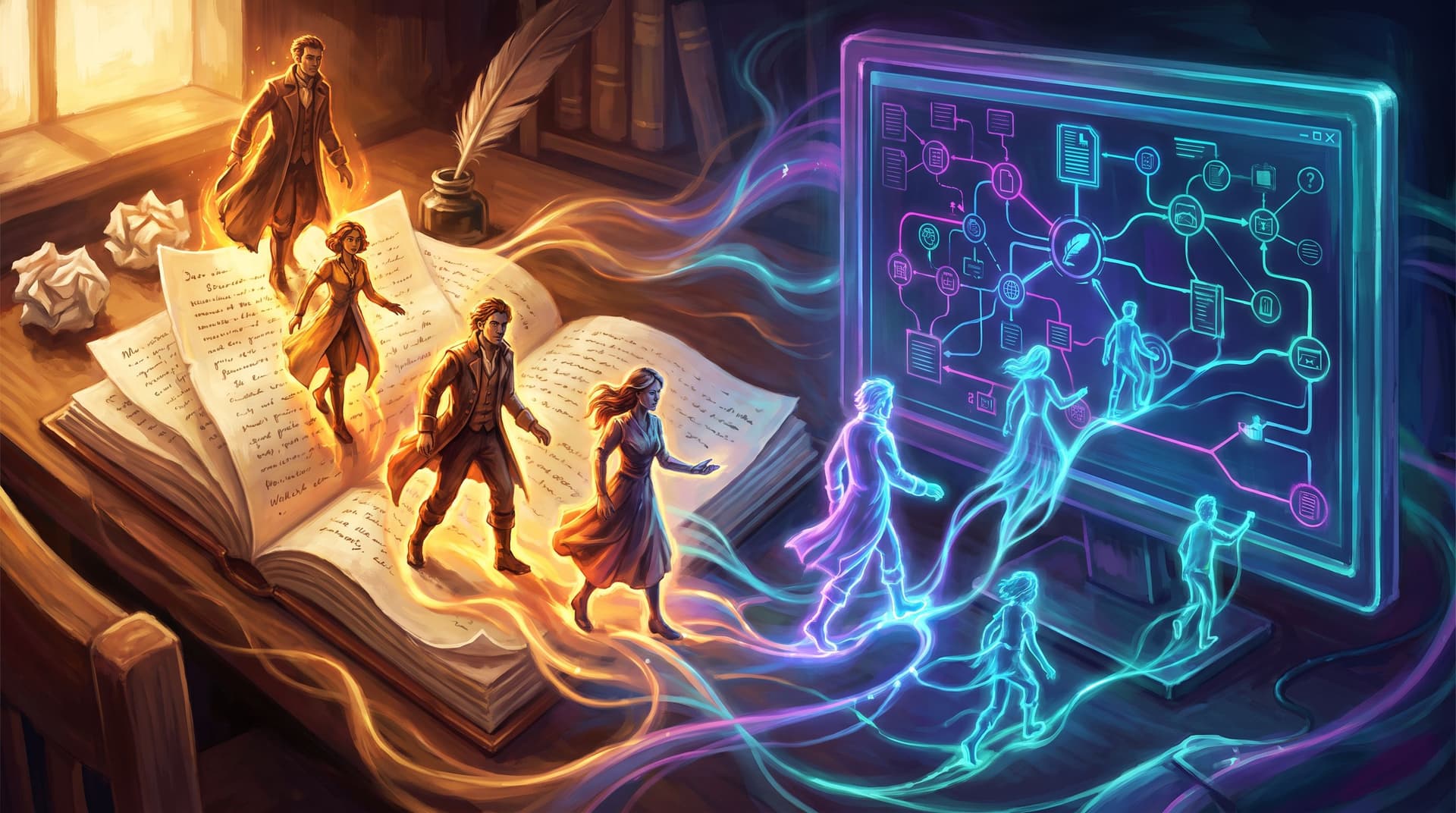
From Prompt Chaos to Polished Quest: A Practical Workflow for Outlining Branching Stories with AI
Interactive Storytelling
AI Tools

From Prompt Chaos to Polished Quest: A Practical Workflow for Outlining Branching Stories with AI

Interactive stories promise freedom: endless paths, surprising outcomes, personalized journeys. But if you’ve ever opened an AI tool, fired off a few prompts, and ended up with a tangle of half-connected scenes, you know the flip side: chaos. The ideas are there, the characters are interesting, but the structure dissolves the moment you try to map it. This post is about bridging that gap—turning raw AI prompts into a clear, replayable outline you can actually build on platforms like Questas, where a visual, no‑code editor and AI-generated visuals make it easy to bring branching stories to lif

Team Questas
Team Questas
AI Image Styles for Nonfiction: Making Case Studies, Histories, and Documentaries Playable in Questas
Interactive Storytelling
AI Tools

AI Image Styles for Nonfiction: Making Case Studies, Histories, and Documentaries Playable in Questas

Nonfiction doesn’t have to mean static slides, dense PDFs, or talking-head videos. When you turn case studies, histories, and documentary-style content into interactive stories, people don’t just read about what happened—they step into it. And when you pair that with the right AI-generated visuals inside Questas, your nonfiction becomes something new: a playable, emotionally resonant experience. This guide is all about that intersection: how to choose and use AI image styles so your nonfiction Questas feel credible, coherent, and compellin

Team Questas
Team Questas
Writing for Re-Reads: Narrative Techniques That Reward Players Who Replay Your Questas
Interactive Storytelling
Creative Writing

Writing for Re-Reads: Narrative Techniques That Reward Players Who Replay Your Questas

Interactive stories don’t end when the credits roll. If you’re building on Questas, you’re not just shipping a single, linear experience—you’re creating a system your audience can explore again and again. The difference between a “one-and-done” story and a replay magnet often comes down to how intentionally you write for re-reads. Replayable stories: Deepen emotional impact with each run Reveal new layers of theme, character, and worldbuilding Turn casual players into dedicated fans who share and discuss your work This post is all about that craft: specific narrative techniques that make players want to replay your Questas experiences—and feel rewarded when they d

Team Questas
Team Questas
From Lore Docs to Learning Paths: Using Questas to Turn Knowledge Bases into Interactive Knowledge Journeys
Interactive Storytelling
AI Tools

From Lore Docs to Learning Paths: Using Questas to Turn Knowledge Bases into Interactive Knowledge Journeys

Knowledge bases are supposed to make things easier. Product teams pour hours into docs. L&D teams build slide decks and LMS modules. Community managers curate wikis and FAQs. Yet when someone actually needs to learn from all that material, they often end up: Skimming for one keyword Getting overwhelmed by walls of text Clicking away before anything sticks The problem isn’t a lack of information. It’s that most knowledge bases are built for storage, not for experience. Interactive, branching stories flip that script. Instead of asking people to read through static pages, you invite them into a journey where their choices shape what they see nex

Team Questas
Team Questas
Brand Worlds, Not Banners: Using Questas to Build Narrative Funnels for Marketing Campaigns
Interactive Storytelling
AI Tools

Brand Worlds, Not Banners: Using Questas to Build Narrative Funnels for Marketing Campaigns

Most marketing funnels still feel like paperwork. A prospect sees an ad, lands on a page, skims a few lines of copy, and either bounces or fills out a form. It’s linear, forgettable, and easy to ignore. Meanwhile, your product, your customers, and your category are anything but linear. People arrive with different goals, objections, and levels of familiarity. They don’t want another banner. They want a world they can step into—one that responds to their choices. That’s where narrative funnels come

Team Questas
Team Questas
The Psychology of Choice: How Cognitive Biases Shape Player Decisions in Branching Stories
Interactive Storytelling
AI Tools

The Psychology of Choice: How Cognitive Biases Shape Player Decisions in Branching Stories

The moment you add a choice to a story, you’re no longer just a writer—you’re a behavior designer. Every branch, button, and consequence nudges players in particular directions. Some of those nudges are intentional. Many are not. Underneath them all is the messy, fascinating machinery of human psychology: heuristics, habits, and cognitive biases that shape what people think they’re choosing. Understanding that machinery is one of the biggest unlocks for anyone building branching narratives—whether you’re designing a narrative game, a training simulation, or an interactive brand journey on Questa

Team Questas
Team Questas
Beyond the Hero’s Journey: Non-Western Story Structures for More Diverse Questas Adventures
Interactive Storytelling
AI Tools

Beyond the Hero’s Journey: Non-Western Story Structures for More Diverse Questas Adventures

Western storytelling has done a number on our imaginations. If you’ve read craft books, watched screenwriting breakdowns, or taken a writing class, you’ve probably absorbed some version of the Hero’s Journey or the three‑act structure. Those tools are useful—but they’re not the only way to tell a satisfying story. When you’re building interactive adventures on Questas, limiting yourself to a single structure can quietly limit your characters, cultures, and kinds of experiences. This post is an invitation to widen your toolkit. We’ll explore non‑Western story structures and show how they can power richer, more diverse branching narrativ

Team Questas
Team Questas
Designing Failure Safely: How to Write ‘Bad’ Outcomes in Questas That Still Teach and Delight
Interactive Storytelling
Creative Writing

Designing Failure Safely: How to Write ‘Bad’ Outcomes in Questas That Still Teach and Delight

Failure is where interactive stories do their best work. When a player makes a risky choice, ignores a warning, or follows their curiosity into danger, that moment is where learning, emotion, and memory lock in. But there’s a catch: if your "bad" outcomes feel punishing, random, or humiliating, players shut down. They click away. They don’t come back to see what happens if they try again. With Questas, you have a powerful canvas for branching stories—complete with AI-generated images, looping videos, and a visual, no‑code editor. That means you can design failure not as a dead end, but as a playground for insight, humor, and surpris

Team Questas
Team Questas
The UX of Choice: Interface Patterns that Make Branching Stories Feel Effortless
Interactive Storytelling
AI Tools

The UX of Choice: Interface Patterns that Make Branching Stories Feel Effortless

The UX of Choice: Interface Patterns that Make Branching Stories Feel Effortless Interactive stories don’t fall apart because of plot twists. They fall apart because of friction. You’ve probably felt it as a player: You’re not sure which part of the screen is clickable. You worry that one tap will skip past something important. You lose track of where you are in the story map. The result? Hesitation instead of immersion. For creators building branching adventures—whether that’s a training scenario, a narrative game, or an interactive brand journey—the user experience of choice is just as important as the writing. If the interface gets in the way, even the smartest branching diagram will feel confusi

Team Questas
Team Questas
Branching Narratives for Brands: Turning Customer Journeys into Interactive Questas Experiences
Interactive Storytelling
AI Tools

Branching Narratives for Brands: Turning Customer Journeys into Interactive Questas Experiences

Customer journeys are already stories. A prospect discovers you, weighs options, hits friction, gets help (or doesn’t), and eventually becomes a fan—or drifts away. The problem is that most brands tell this story to themselves in decks and funnels, but customers only ever see fragments: a landing page here, an email there, a support article when something breaks. Branching narratives change that. Instead of pushing people through a one-size-fits-all path, you invite them into an experience where their choices shape what happens next. Interactive content isn’t just a novelty anymo

Team Questas
Team Questas
From Safety Drills to Story Thrills: Building High-Stakes Training Scenarios in Questas
Interactive Storytelling
AI Tools

From Safety Drills to Story Thrills: Building High-Stakes Training Scenarios in Questas

Safety training is supposed to prepare people for the worst days on the job—fires, data breaches, medical emergencies, angry customers, equipment failures. But too often, those trainings feel like box‑checking exercises: slide decks, multiple‑choice quizzes, and once‑a‑year drills everyone forgets a week later. High-stakes scenarios demand more. Interactive, branching stories let people live through critical moments before they happen. They can practice decisions, feel the pressure, and see consequences play out—without putting anyone in harm’s way. That’s where Questas, a web-based platform for building choose‑your‑own‑adventure experiences with AI‑generated visuals, becomes especially powerfu

Team Questas
Team Questas
Storytelling with AI Video Loops: How to Use Micro-Cutscenes to Signal Stakes and Consequences in Questas
Interactive Storytelling
AI Tools

Storytelling with AI Video Loops: How to Use Micro-Cutscenes to Signal Stakes and Consequences in Questas

Interactive stories live or die on whether players feel that their choices matter. Words can do some of that work. But when you’re building in Questas, you also have a powerful extra lever: short, looping AI‑generated video—what we’ll call micro‑cutscenes. Used well, these few seconds of motion can: Telegraph danger before a player clicks. Make consequences visceral instead of abstract. Turn a routine branch into a memorable turning point. Used poorly, they can drown your story in visual noise or confuse players about what their decisions actually changed. This guide is all about the first outc

Team Questas
Team Questas
Branching for Busy Minds: Micro-Learning and Just‑in‑Time Training Scenarios Built in Questas
Interactive Storytelling
AI Tools

Branching for Busy Minds: Micro-Learning and Just‑in‑Time Training Scenarios Built in Questas

Most people don’t have an hour for training. They have five minutes between meetings. They have the elevator ride before a client call. They have the moment right before they try a new workflow and think, “Wait, how does this actually go?” That’s where micro-learning and just‑in‑time training shine—and where branching scenarios built in Questas can quietly transform how your team, students, or customers learn

Team Questas
Team Questas
AI Visual Styles 101: Matching Your Questas Imagery to Genre, Tone, and Audience
Interactive Storytelling
AI Tools

AI Visual Styles 101: Matching Your Questas Imagery to Genre, Tone, and Audience

Great interactive stories don’t just branch—they look like they belong together. When you’re building a choose‑your‑own‑adventure in Questas, your AI-generated images and videos do a lot of heavy lifting: They signal genre before a single line of dialogue. They set expectations for tone—silly, solemn, eerie, epic. They tell different audiences, “This is (or isn’t) for you.” Get that visual style wrong, and even a well‑written story can feel confusing or off‑brand. Get it right, and your players feel like they’ve stepped into a coherent world, no matter which branch they take. This guide walks through how to match your Questas imagery to genre, tone, and audience—so your visuals amplify your story instead of fighting i

Team Questas
Team Questas
Beyond Gamification: What Learning Science Can Teach Us About Better Branching Stories
Interactive Storytelling
AI Tools

Beyond Gamification: What Learning Science Can Teach Us About Better Branching Stories

Interactive stories are everywhere: training simulations, language apps, onboarding flows, museum exhibits, even marketing campaigns. But too many branching stories still lean on shallow tricks—points, badges, and “gotcha” endings—rather than real learning. Learning science offers a richer playbook. When you borrow from how people actually absorb, retain, and apply knowledge, your branching stories stop feeling like novelty toys and start working like memorable experiences—whether you’re designing a classroom scenario, a sales role‑play, or a narrative game built with Questas. This post digs into what learning science can teach us about better branching design, and how to apply those ideas right aw

Team Questas
Team Questas
The New Writer’s Room: Running Collaborative Story Jams and Hackathons with Questas
Interactive Storytelling
AI Tools

The New Writer’s Room: Running Collaborative Story Jams and Hackathons with Questas

Writers’ rooms used to be physical places: a whiteboard, a stack of index cards, and a group of creatives arguing (lovingly) about what happens next. Now, teams are recreating that energy online—only this time, they’re not just plotting TV episodes. They’re building branching story worlds, training scenarios, classroom simulations, brand experiences, and fan-made epics. And they’re doing it together in compressed bursts of time: story jams, sprints, and full-on hackathons. That’s where Questas shines. Its visual, no-code editor and AI-generated images and video make it an ideal playground for collaborative experiments. A group can go from blank canvas to playable, illustrated story in a single afternoo

Team Questas
Team Questas
Interactive Onboarding 101: Turning User Manuals, FAQs, and Tutorials into Questas Journeys
Interactive Storytelling
AI Tools

Interactive Onboarding 101: Turning User Manuals, FAQs, and Tutorials into Questas Journeys

Traditional onboarding content has a problem: it’s built to be read, not lived. User manuals, FAQ pages, and how‑to tutorials are essential, but they’re also where attention goes to die. People skim, search for one keyword, or bounce the moment they feel overwhelmed. That’s a huge missed opportunity—especially when you’re trying to help someone master a product, process, or service. Interactive stories change that equation. With Questas, you can turn static documentation into branching, visual journeys where users play through onboarding instead of passively reading it. They make decisions, see consequences, and get just‑in‑time explanations tailored to what they actually

Team Questas
Team Questas
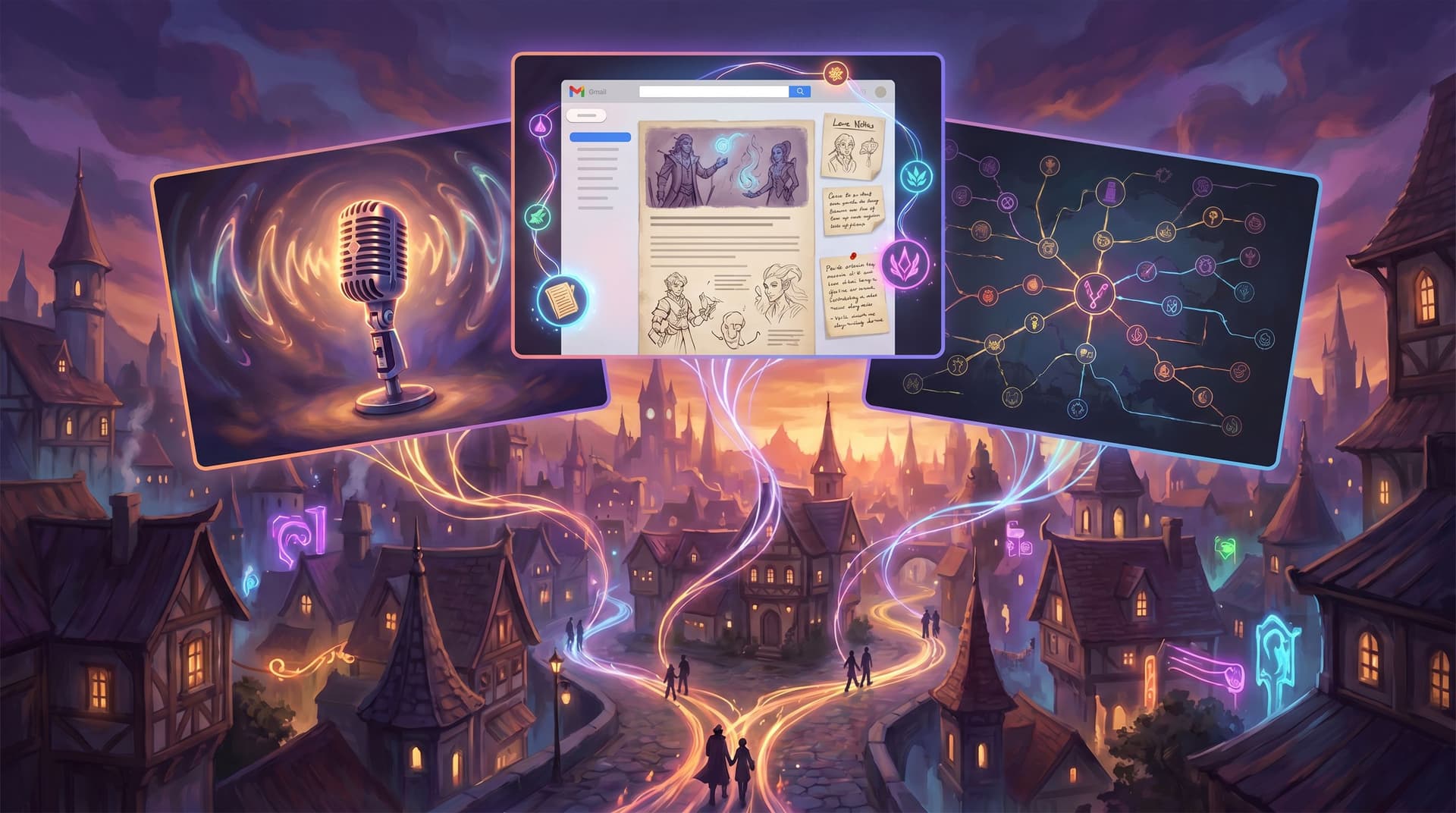
The New Story Bibles: Organizing Lore, Timelines, and Character Arcs for Large Questas Universes
Interactive Storytelling
AI Tools

The New Story Bibles: Organizing Lore, Timelines, and Character Arcs for Large Questas Universes

If you’re building a big interactive universe in Questas—multiple campaigns, spin‑off stories, recurring characters—you will hit a wall sooner or later: “Wait, did the rebellion start before the plague or after?” “Which version of the mentor survived in this timeline?” “Why does the starship look completely different in Chapter 4?” That wall is continuity. And the tool that helps you break through it is a story bible. A story bible is your universe’s operating manual: lore, timelines, character arcs, visual rules, and recurring motifs all in one place

Team Questas
Team Questas
AI Art Pitfalls and Fixes: Keeping Your Questas Visuals On-Model, On-Brand, and Not Weird
Interactive Storytelling
AI Tools

AI Art Pitfalls and Fixes: Keeping Your Questas Visuals On-Model, On-Brand, and Not Weird

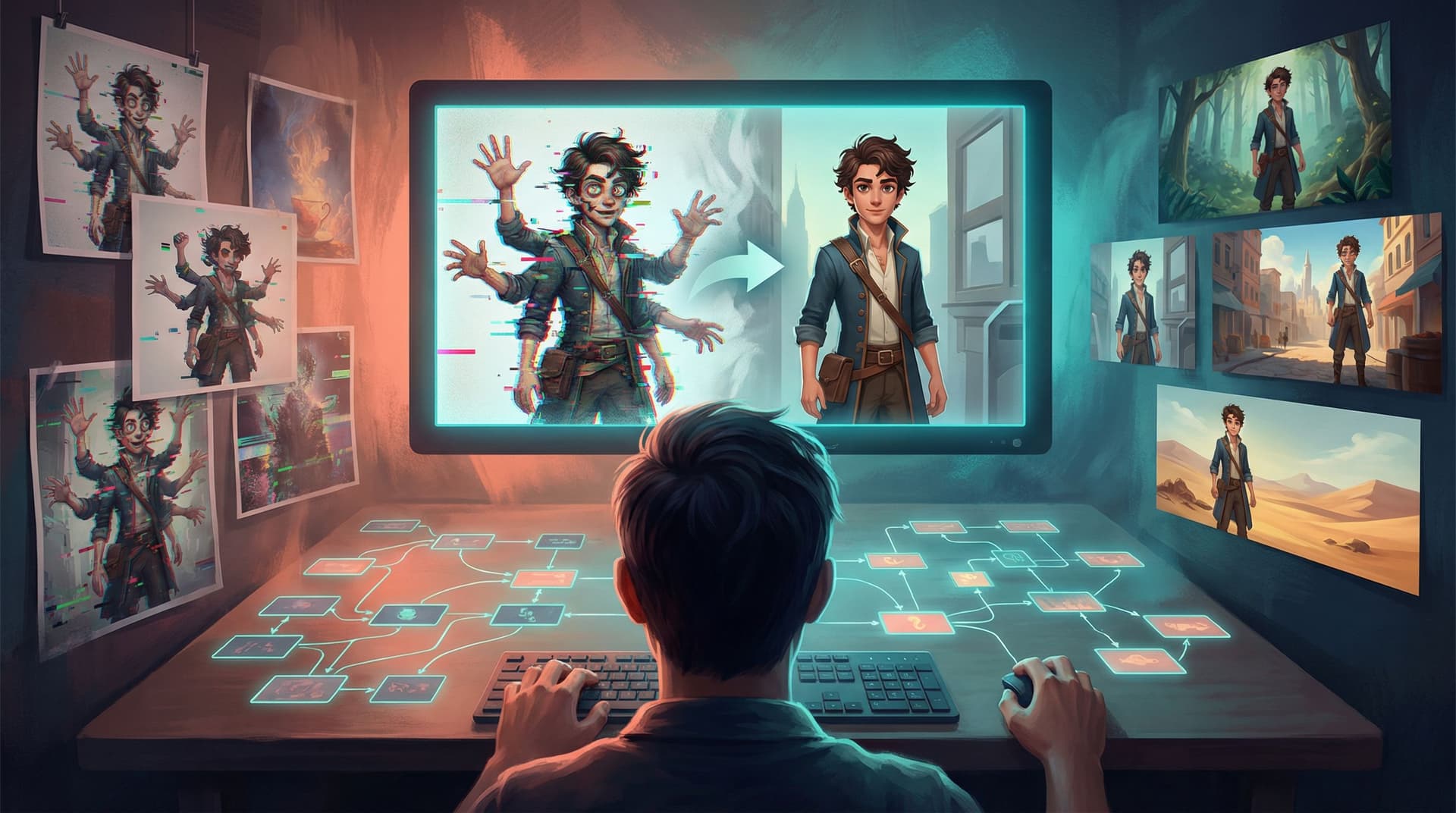
AI Art Pitfalls and Fixes: Keeping Your Questas Visuals On-Model, On-Brand, and Not Weird AI images can feel like magic—until your hero suddenly grows an extra hand, your brand colors vanish, or your “cozy starship kitchen” looks like five different spaces across five scenes. When you’re building interactive stories in Questas, visuals aren’t decoration. They’re part of the gameplay: players read expressions, scan environments for clues, and form emotional bonds with characters based on how they look from scene to scene. If those visuals drift off-model or off-brand, the spell breaks

Team Questas
Team Questas
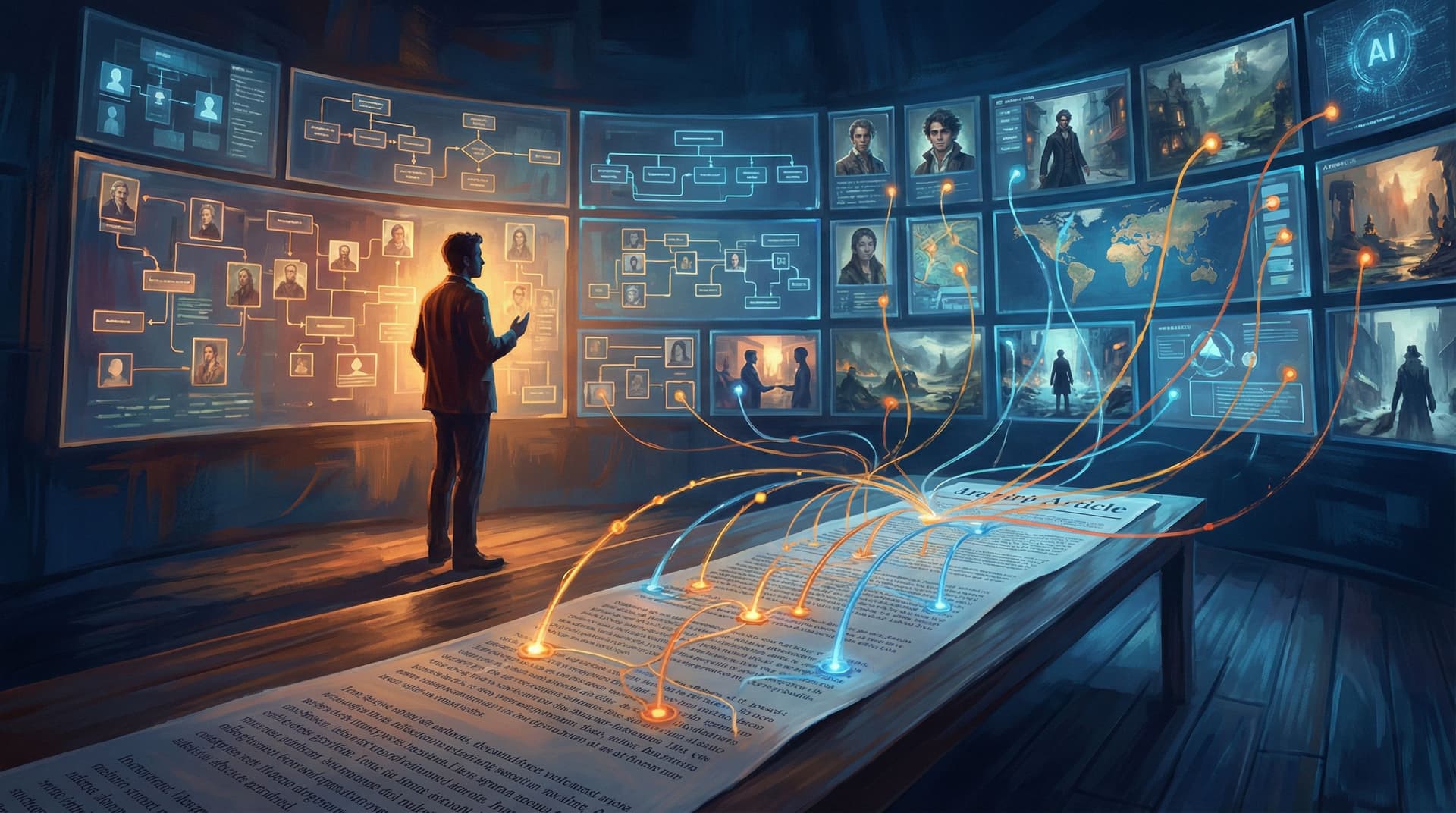
From Scroll to Story: Turning Blog Posts into Interactive Questas Adventures
Interactive Storytelling
AI Tools

From Scroll to Story: Turning Blog Posts into Interactive Questas Adventures

Long-form blog posts are great for depth, authority, and SEO—but they’re not always great at keeping people engaged from top to bottom. Readers skim. They jump between tabs. They promise themselves they’ll come back later… and rarely do. Interactive stories flip that pattern. Instead of passively scrolling, your audience plays through your ideas. They make decisions, see consequences, and feel like co-authors of the experience. That’s where Questas comes in. It gives you a visual, no‑code canvas to turn static articles into branching, choice-driven adventures—complete with AI‑generated images and video. This guide walks you through how to transform an existing blog post into a replayable Questas experience, step by

Team Questas
Team Questas
From Tabletop to Touchscreen: Adapting Your RPG Campaign into an Interactive Questas Series
Interactive Storytelling
AI Tools

From Tabletop to Touchscreen: Adapting Your RPG Campaign into an Interactive Questas Series

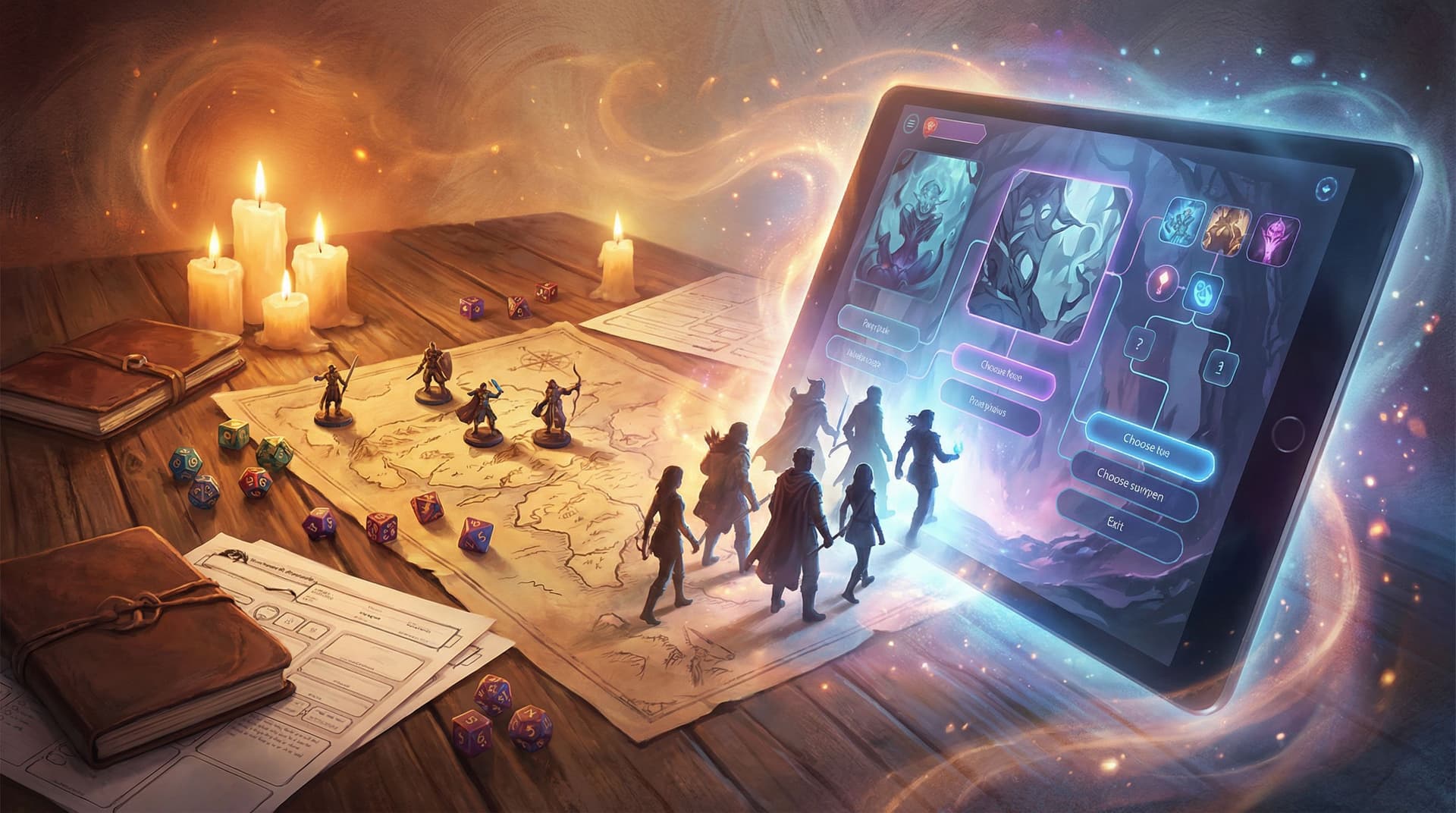
You’ve got binders full of maps, NPC notes, and legendary inside jokes from years of tabletop sessions. Your players still tell stories about that critical failure or that impossible bluff check. So why should those moments live only at your table

Team Questas
Team Questas
Narrative Arcs in a Nonlinear World: Structuring Three-Act Stories Inside Questas Branches
Interactive Storytelling
AI Tools

Narrative Arcs in a Nonlinear World: Structuring Three-Act Stories Inside Questas Branches

Nonlinear stories can feel like a paradox. You want that satisfying three-act arc—setup, escalation, payoff. But you also want players to wander, backtrack, discover secrets, and make wildly different choices. How do you keep a strong narrative spine when your story looks less like a straight line and more like a web? That’s exactly where three-act thinking becomes your superpower inside Questas. With a visual, no-code editor and AI-generated images and video, Questas makes it easy to add branches. The real craft is using those branches to support a compelling arc instead of diluting

Team Questas
Team Questas
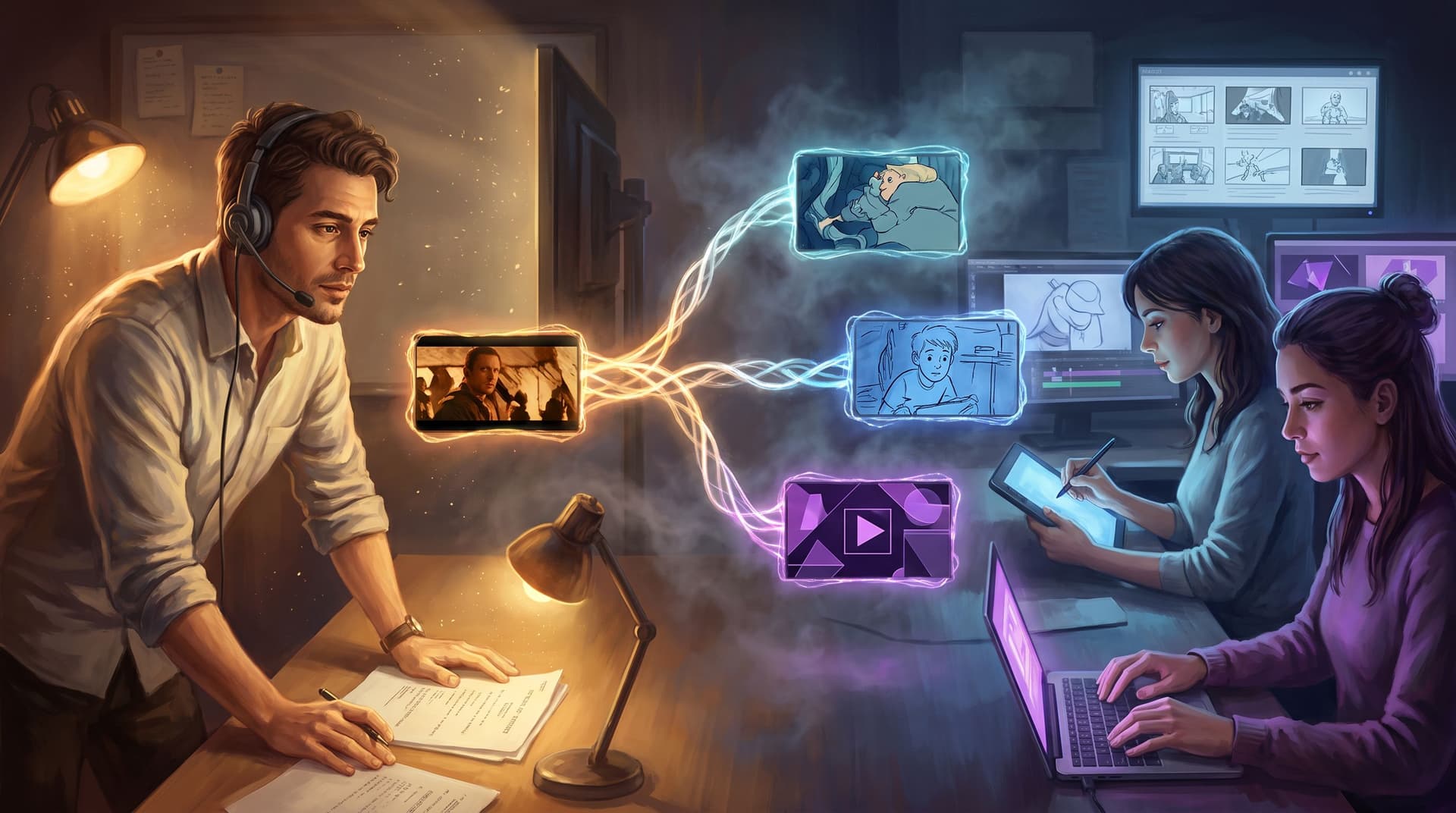
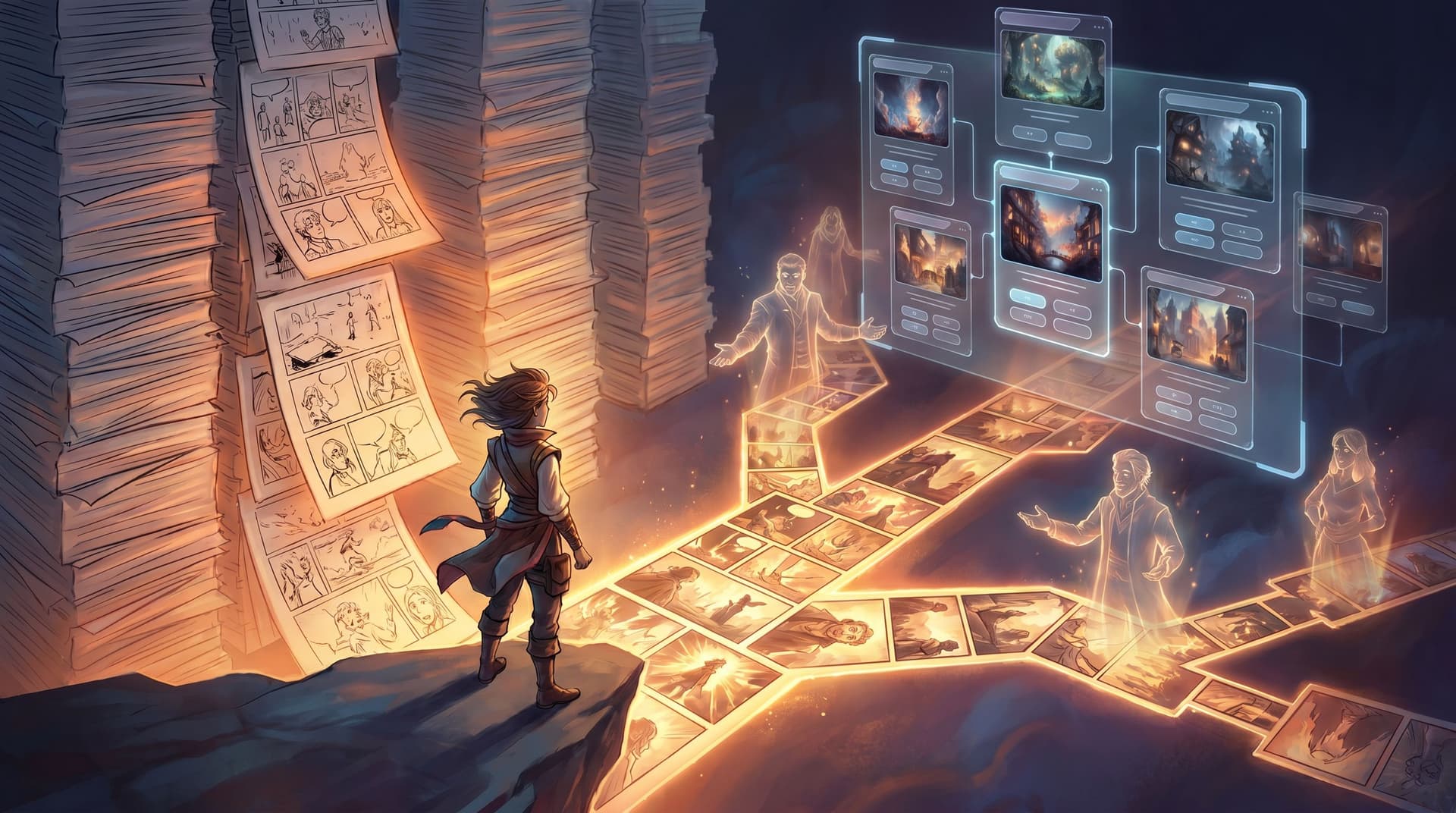
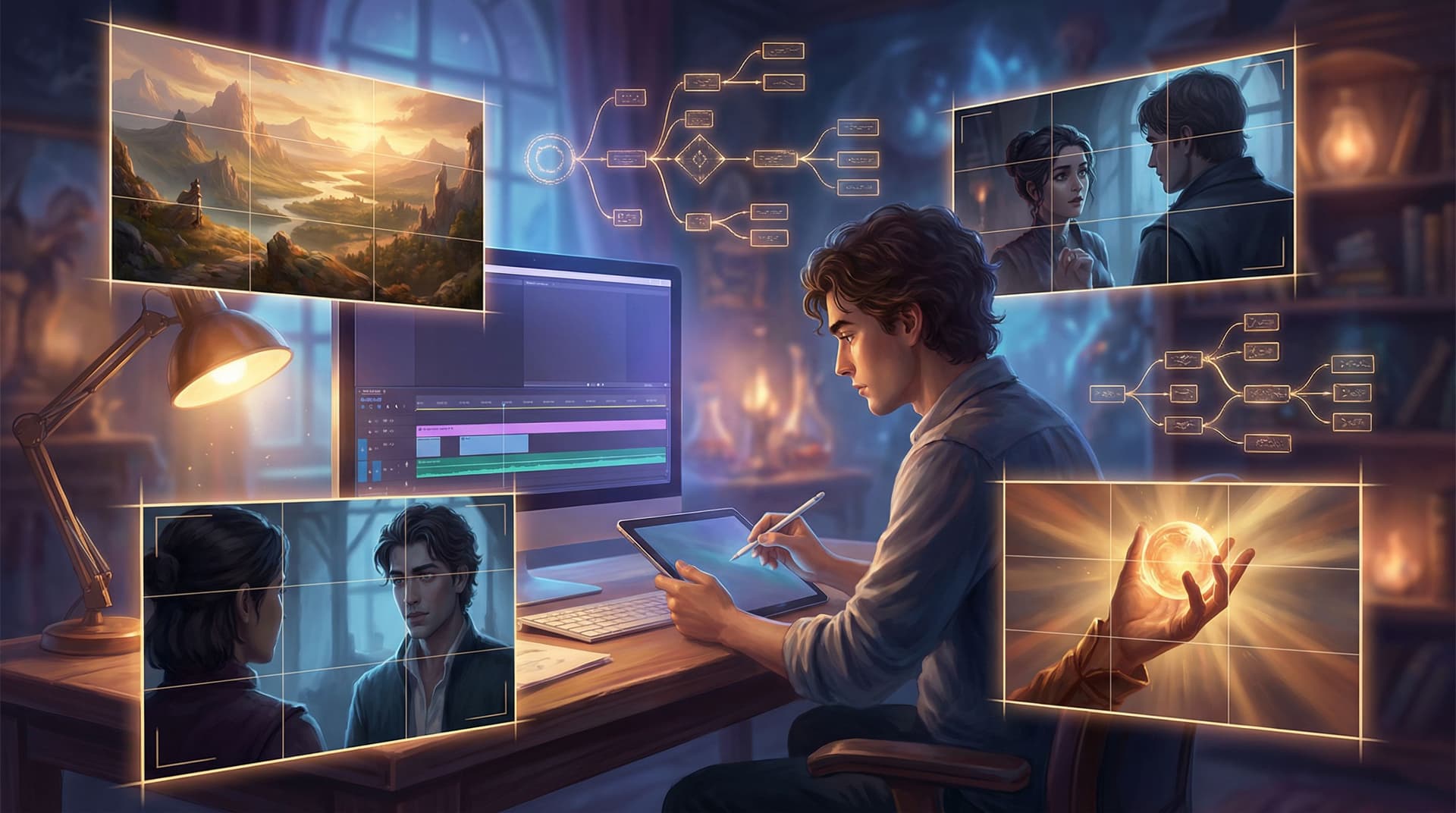
From Comic Panels to Playable Paths: Turning Visual Storyboards into Questas Adventures
Interactive Storytelling
AI Tools

From Comic Panels to Playable Paths: Turning Visual Storyboards into Questas Adventures

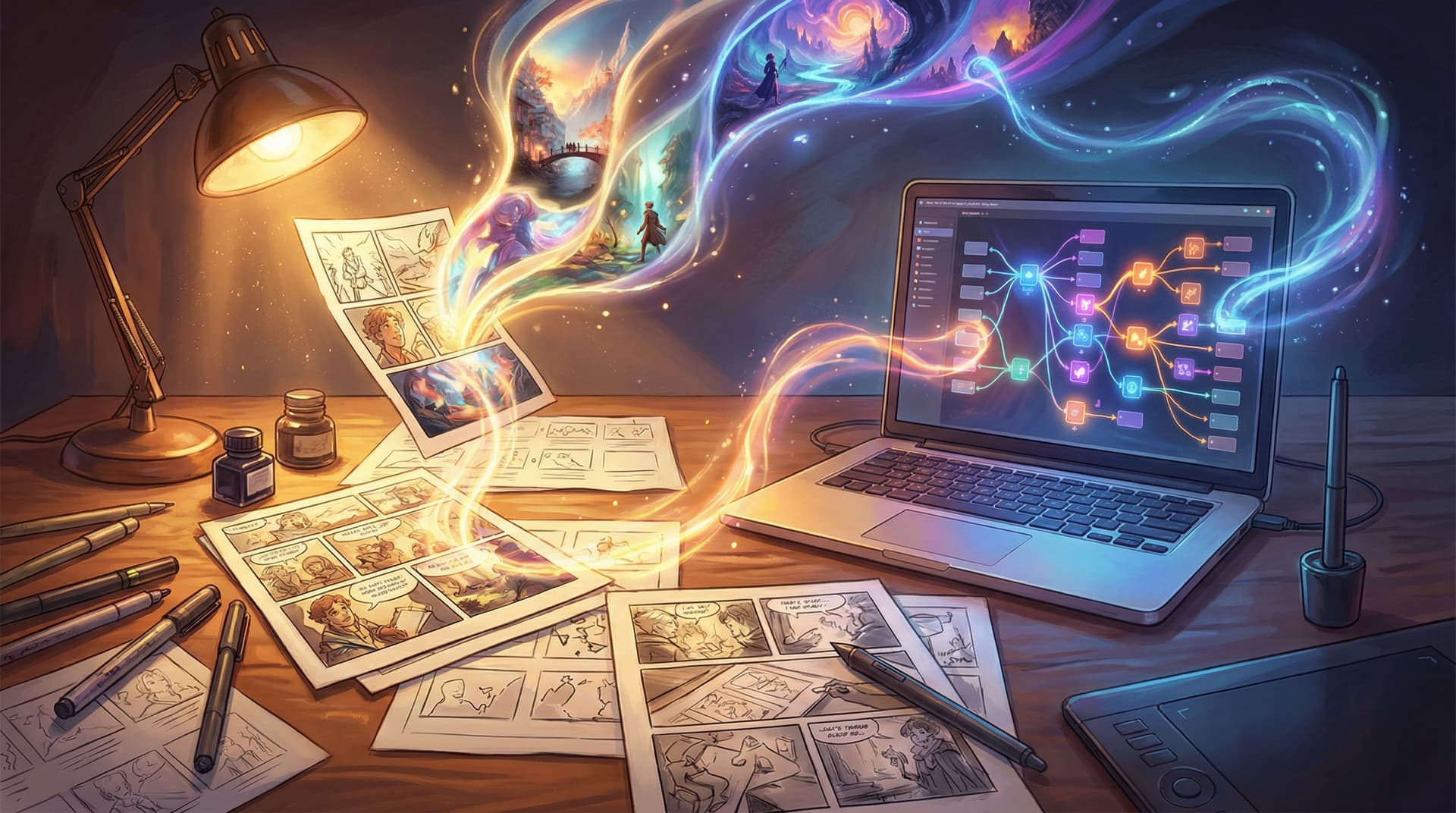
Comics and storyboards are already halfway to being interactive stories. You’ve got panels that frame moments, visual beats that imply motion, and gutters where the reader’s imagination fills in what happens between frames. That structure maps beautifully onto branching adventures—if you know how to translate it. With Questas, you don’t need a custom engine or a dev team to make that leap. You can take the visual thinking you already use in comics, animatics, or pitch boards and turn it into a playable, choice-driven experience—complete with AI‑generated images and video—using a visual, no‑code edito

Team Questas
Team Questas
Branching Narratives in 2026: Trends Shaping the Future of Interactive Fiction and Story Games
Interactive Storytelling
AI Tools

Branching Narratives in 2026: Trends Shaping the Future of Interactive Fiction and Story Games

Interactive fiction has quietly gone from niche hobby to mainstream format. Choice-based games top storefront charts, AI co-writers are becoming common, and classrooms, brands, and solo creators are all experimenting with branching stories. That shift isn’t just about new tools. It’s about a new way of thinking about narrative: stories as systems—alive, replayable, and responsive. In 2026, branching narratives are maturing fast. If you’re writing interactive fiction, building training scenarios, or prototyping story-driven games, understanding where things are headed will help you create work that feels current now and resilient a few years from no

Team Questas
Team Questas
Playtesting Your Questas Like a Game Designer: Scripts, Checklists, and What to Watch For
Interactive Storytelling
AI Tools

Playtesting Your Questas Like a Game Designer: Scripts, Checklists, and What to Watch For

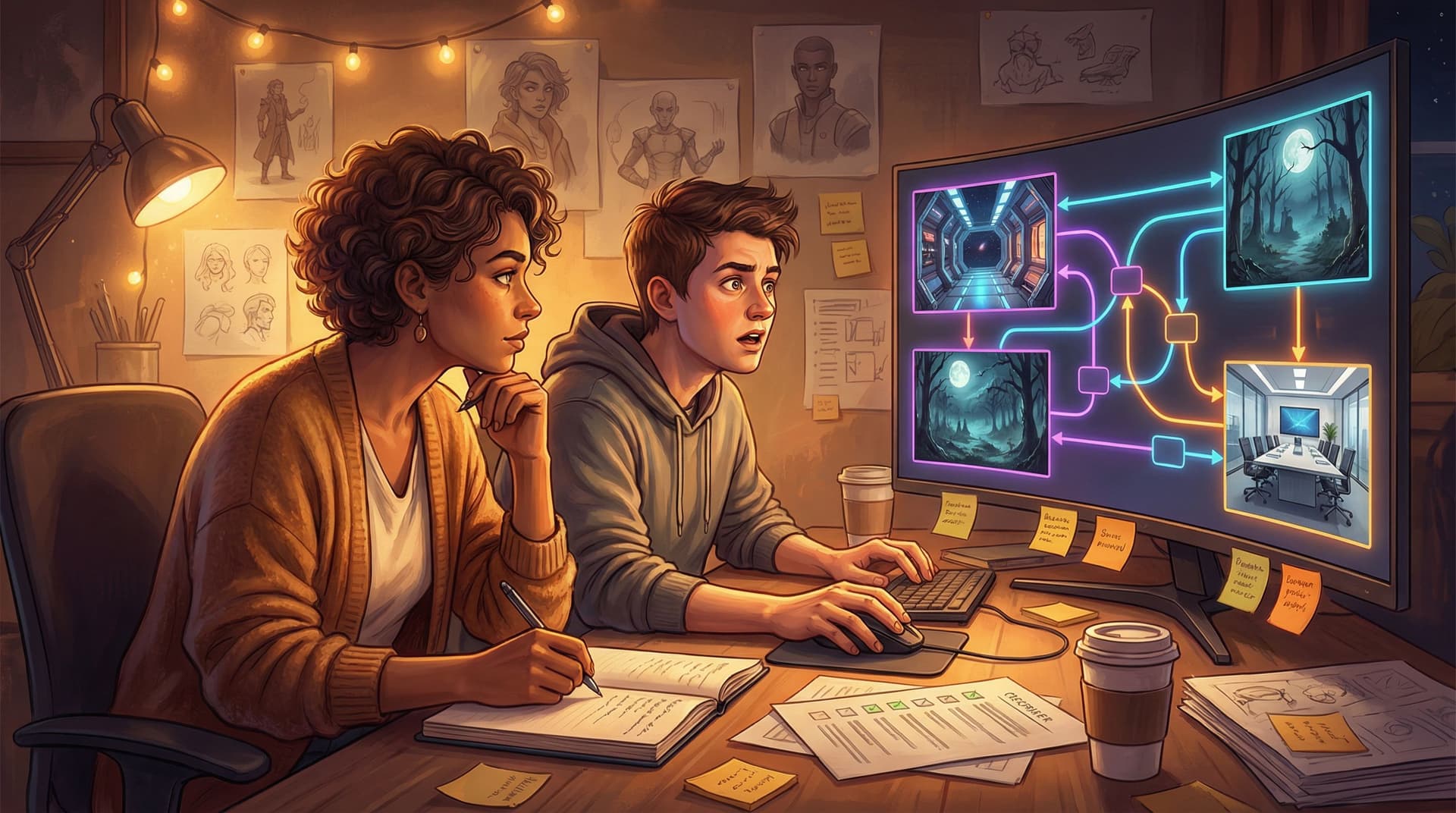
Interactive stories feel like magic when they work: choices land, scenes flow, and players forget they’re clicking through a browser at all. But that magic doesn’t come from the first draft of your branching diagram—it comes from playtesting. If you’re building on Questas, you’re already thinking like a storyteller. To ship truly memorable adventures, you also need to think like a game designer: running structured tests, watching real players, and iterating with intention

Team Questas
Team Questas
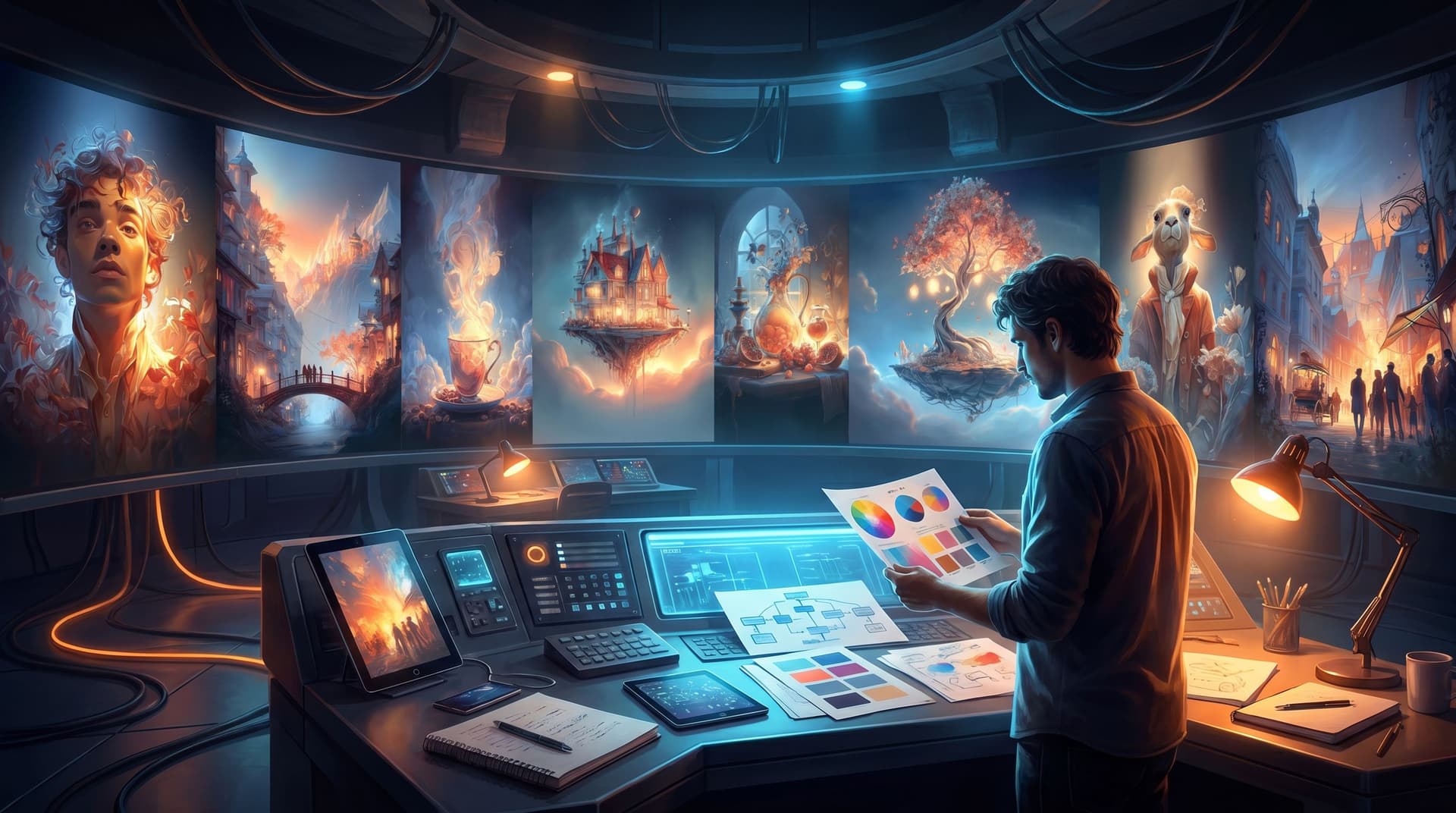
From Moodboard to Mission: Designing Visual Style Guides for Consistent Questas Adventures
Interactive Storytelling
AI Tools

From Moodboard to Mission: Designing Visual Style Guides for Consistent Questas Adventures

You’ve sketched a neon alley, a sun‑bleached desert ruin, and a cozy starship kitchen. Each scene looks great on its own—but when you drop them into the same interactive story, something feels off. The vibes clash. Characters don’t quite look like themselves from scene to scene. Your adventure starts to feel less like a world and more like a collage. That’s where visual style guides come in. For creators building on Questas, a clear visual style guide is the bridge between “cool images” and a cohesive, replayable adventure. It turns your initial moodboard into a mission: a set of decisions about tone, color, framing, and representation that keep your AI‑generated images and videos singing in harmony across every branc

Team Questas
Team Questas
From One Prompt to a Whole World: Worldbuilding Systems for Long-Form Questas Campaigns
Interactive Storytelling
AI Tools

From One Prompt to a Whole World: Worldbuilding Systems for Long-Form Questas Campaigns

You open a new project in Questas, type a single prompt—“a drowned city of glass towers where memories wash up with the tide”—and suddenly you’re flooded with possibilities. Who lives there? What rules govern this place? How do you keep it all consistent across hours of branching play? That’s the real challenge of long-form, campaign-style interactive stories: not just inventing cool ideas, but building a system that can sustain them over dozens of scenes, routes, and endings. This guide is all about that system. We’ll walk through how to turn one evocative prompt into a fully playable world for a long-form Questas campaign—without drowning in continuity errors, lore bloat, or visual inconsist

Team Questas
Team Questas
Ethical AI Worldbuilding: Guidelines for Responsible Imagery, Representation, and Choices in Questas
Interactive Storytelling
AI Tools

Ethical AI Worldbuilding: Guidelines for Responsible Imagery, Representation, and Choices in Questas

Ethical AI Worldbuilding: Guidelines for Responsible Imagery, Representation, and Choices in Questas Interactive stories have always been about power: the power to decide what happens next, who matters, and which futures are even possible. When you build on Questas, you’re not just laying out branches in a visual, no‑code editor. You’re shaping a world—its people, its rules, its moral center—then inviting players to step inside. AI-generated images and video make that world vivid. But they also raise real questions: Whose faces and bodies are we showing? Which cultures, identities, and histories are we drawing from—and how carefully? What kinds of choices are we normalizing or glamorizing

Team Questas
Team Questas
Beyond Text and Images: Using Ambient Audio and Micro-Video to Deepen Immersion in Questas
Interactive Storytelling
AI Tools

Beyond Text and Images: Using Ambient Audio and Micro-Video to Deepen Immersion in Questas

Interactive stories used to be walls of text with the occasional illustration. With platforms like Questas, we’ve already moved far beyond that: AI‑generated images and short video loops give each scene a cinematic feel. But there’s still one huge layer many creators underuse: Ambient audio — subtle soundscapes, environmental noise, and mood beds. Micro‑video — 2–8 second loops that feel alive without becoming full-blown cutscenes. Handled well, these two elements can make your Questas adventures feel less like reading a story and more like being inside one. This guide will walk through why ambient audio and micro‑video matter, how to use them without overwhelming your players, and practical workflows you can apply in your next projec

Team Questas
Team Questas
Beyond the Branch: Using Player Feedback and Analytics to Iteratively Rewrite Your Questas Narrative
Interactive Storytelling
Creative Writing

Beyond the Branch: Using Player Feedback and Analytics to Iteratively Rewrite Your Questas Narrative

Interactive stories are never really “finished.” You hit publish, share your new adventure, and players start exploring. Some choices they love. Some endings they rush past. Some scenes they never even see. What you do next is what separates a one-off experiment from a story that genuinely grows with its audience. This is where player feedback and analytics become your secret writing room. When you build on Questas, you’re not just shipping a branching narrative—you’re launching a living system you can observe, tweak, and rewrite over tim

Team Questas
Team Questas
From Prompt to Playable: Designing Your First AI-Generated Character Cast in Questas
Interactive Storytelling
AI Tools

From Prompt to Playable: Designing Your First AI-Generated Character Cast in Questas

From Prompt to Playable: Designing Your First AI-Generated Character Cast in Questas Interactive stories don’t come alive because of branching charts or clever logic—they come alive because of characters. The mentor who remembers what you chose three scenes ago. The rival who keeps showing up at the worst possible moment. The sidekick players swear they’d protect at all costs. When you’re building in Questas, your character cast isn’t just a list of names. It’s a playable ensemble that travels across branches, reacts to choices, and shows up consistently in AI-generated images and video. Getting that cast right early will save you hours later—and make your story feel like a cohesive, living worl

Team Questas
Team Questas
Designing Meaningful Choices: How to Turn Simple Branches into Emotional Turning Points in Questas
Interactive Storytelling
Creative Writing

Designing Meaningful Choices: How to Turn Simple Branches into Emotional Turning Points in Questas

Interactive stories live and die on their choices. A gorgeous setting, clever dialogue, and slick AI visuals will pull people in—but it’s the moments of “Do I go left or right?” that make them lean forward, hesitate, and care. When you’re building in Questas, you can add as many branches as you like with a few clicks. The real craft isn’t adding choices—it’s making those choices matter. This post is all about that craft: how to turn ordinary branches into emotional turning points that shape your characters, your world, and your players’ memorie

Team Questas
Team Questas
From Linear Lesson Plan to Branching Scenario: A Practical Framework for Educators Using Questas
Interactive Storytelling
No-Code

From Linear Lesson Plan to Branching Scenario: A Practical Framework for Educators Using Questas

Most lesson plans still follow a familiar pattern: you introduce a concept, guide students through examples, check for understanding, and end with an assessment. It’s structured, predictable… and often passive. Branching scenarios flip that script. Instead of telling students what should happen, you let them decide what to do—and see the consequences play out. With tools like the web-based, no‑code platform Questas, you can turn a traditional lesson into an interactive, visual story where every choice teaches something. This post walks through a concrete, educator-friendly framework for converting a linear lesson into a branching scenario using Questa

Team Questas
Team Questas
Replay Value by Design: How to Plan Secrets, Unlockables, and Hidden Paths in Questas
Interactive Storytelling
Creative Writing

Replay Value by Design: How to Plan Secrets, Unlockables, and Hidden Paths in Questas

Most interactive stories are built to be played once. Great interactive stories are built to be replayed. Replay value is what turns a neat experiment into an experience people talk about, share with friends, and come back to weeks later to see what they missed. When you’re building in a visual, no‑code platform like Questas, you have a rare opportunity: you can design secrets, unlockables, and hidden paths right into the structure of your story—without needing a dev team. This post is all about doing that on purpo

Team Questas
Team Questas
Building Your Questas Pipeline: A Workflow for Drafting, Testing, and Publishing Interactive Stories at Scale
Interactive Storytelling
No-Code

Building Your Questas Pipeline: A Workflow for Drafting, Testing, and Publishing Interactive Stories at Scale

You can absolutely build one beautiful interactive story and stop there. But if you’re reading this, you’re probably aiming bigger: a series of adventures, a training library, a catalog of client concepts, or a whole universe of branching tales. That’s where a pipeline comes in. A pipeline is simply a repeatable workflow—from idea to published experience—that you can run again and again without burning out or losing quali

Team Questas
Team Questas
No-Code, Pro-Grade: Turning Client Briefs into Interactive Questas Prototypes in a Single Afternoon
Interactive Storytelling
No-Code

No-Code, Pro-Grade: Turning Client Briefs into Interactive Questas Prototypes in a Single Afternoon

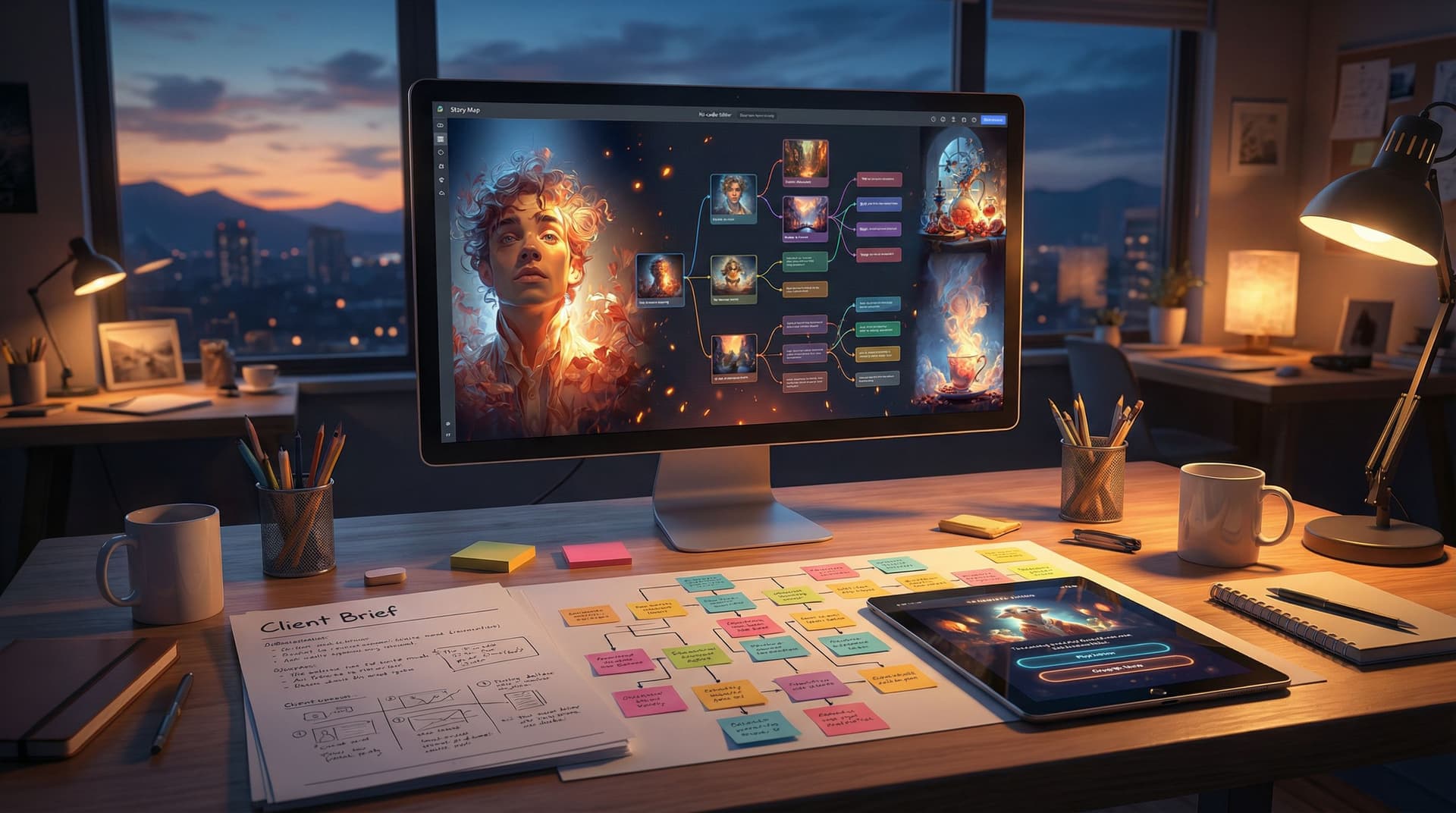
Client expectations have shifted. Static decks and PDFs don’t always cut it anymore—especially when you’re pitching campaigns, training concepts, or narrative-driven experiences. Clients want to feel the idea, not just read about it. That’s where interactive prototypes shine. With Questas, you can turn a one-page brief into a playable, choose-your-own-adventure prototype—complete with AI-generated visuals—in just a few hours. No dev team, no custom engine, no all-nighte

Team Questas
Team Questas
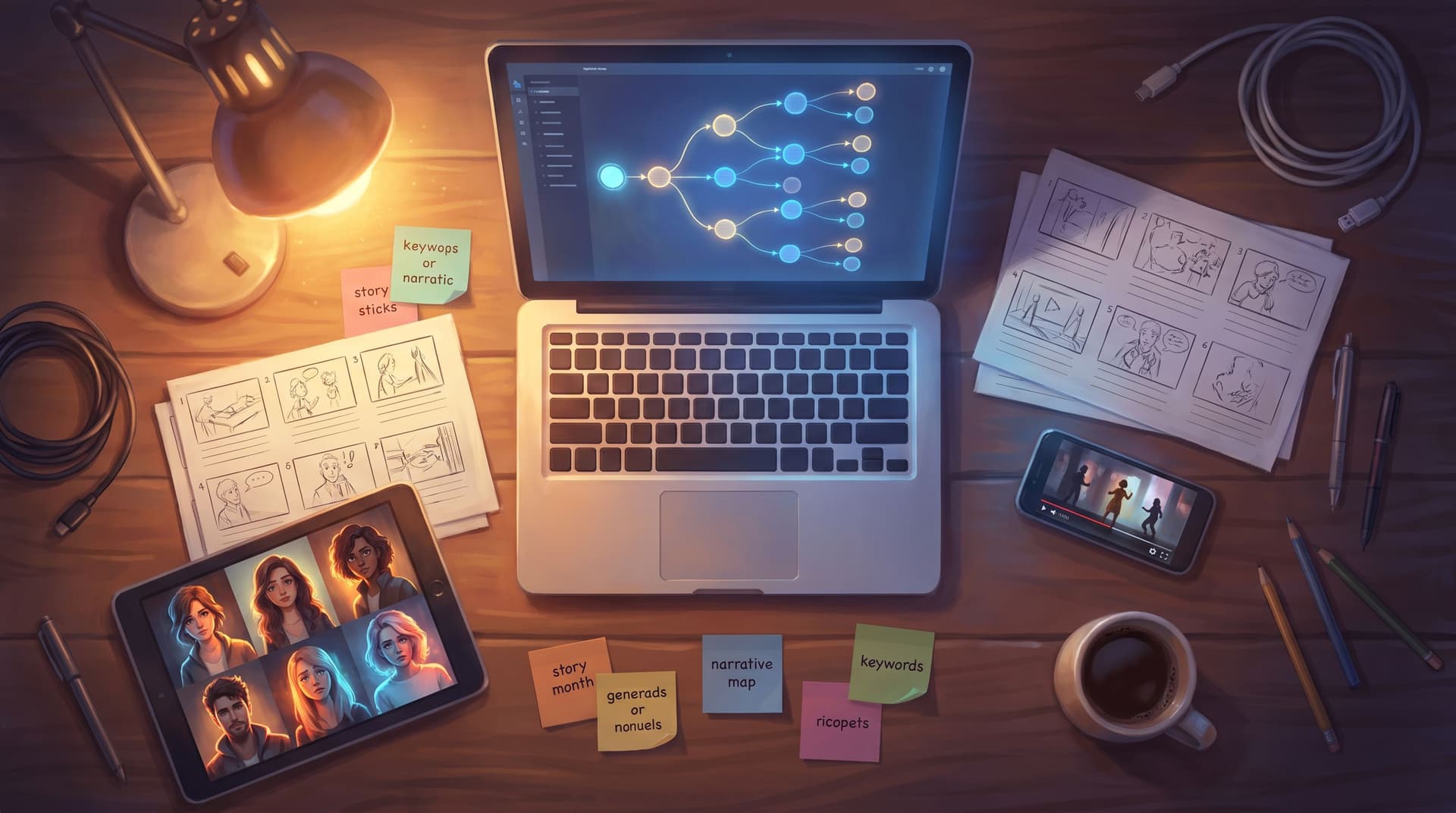
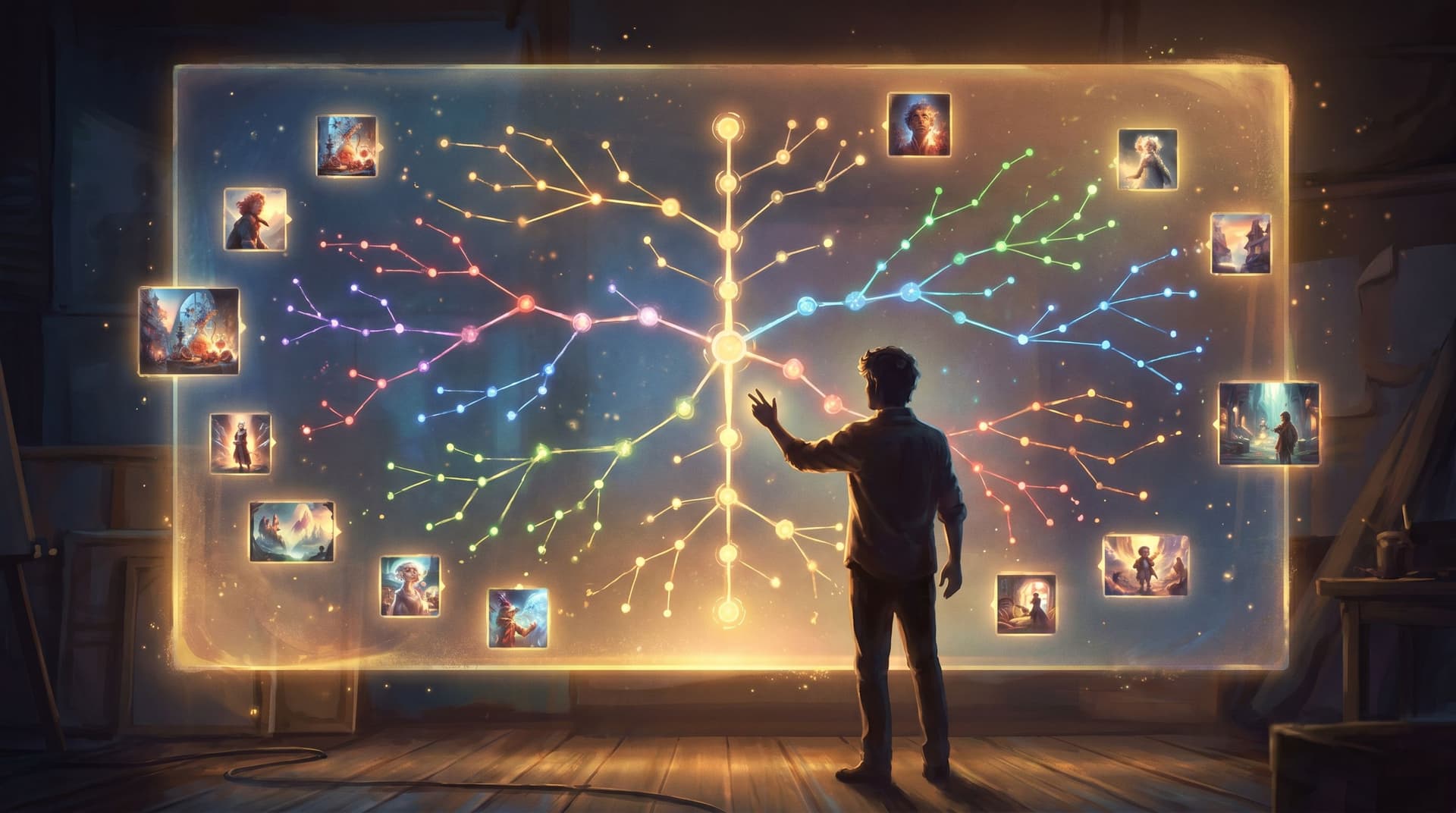
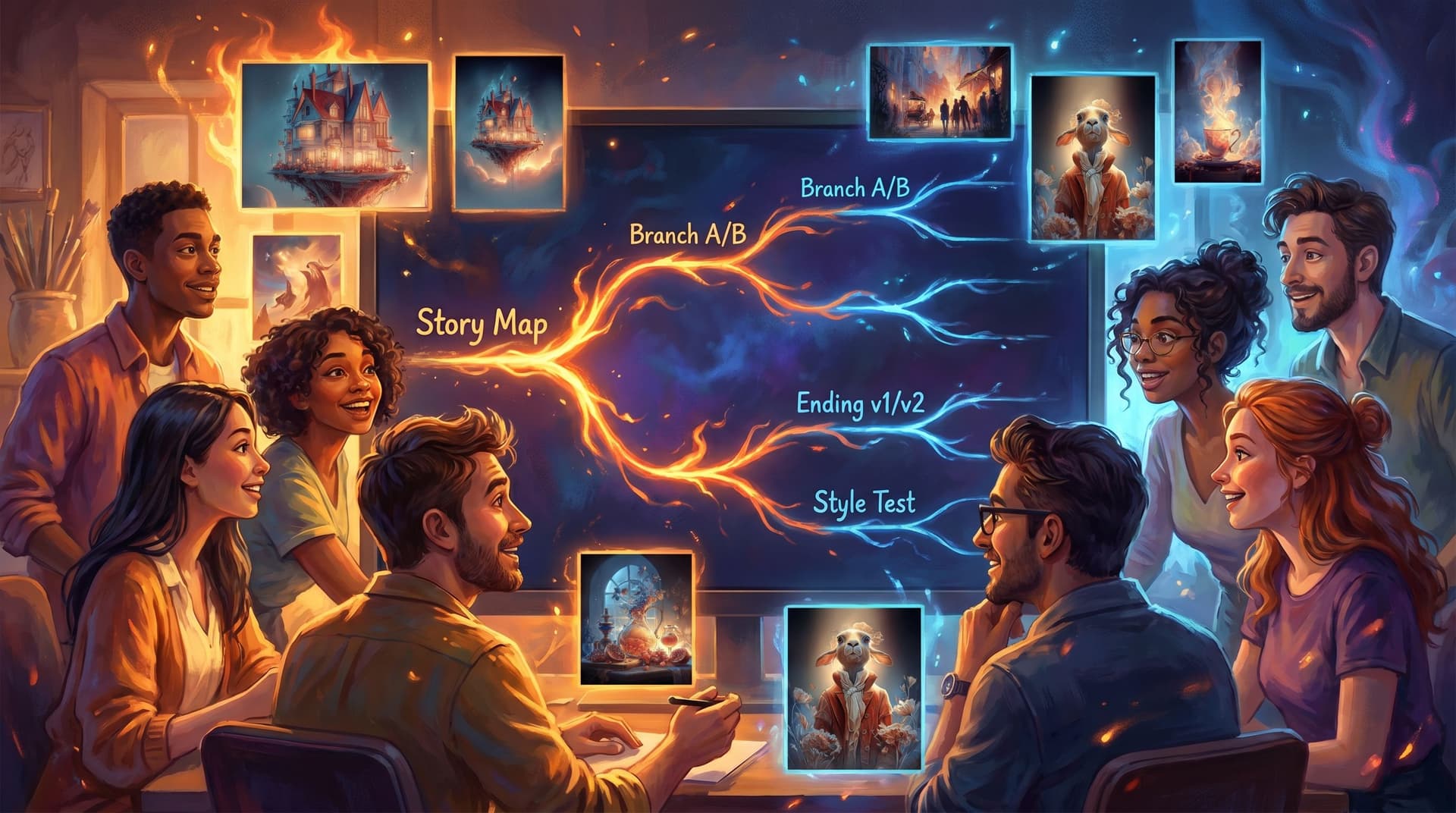
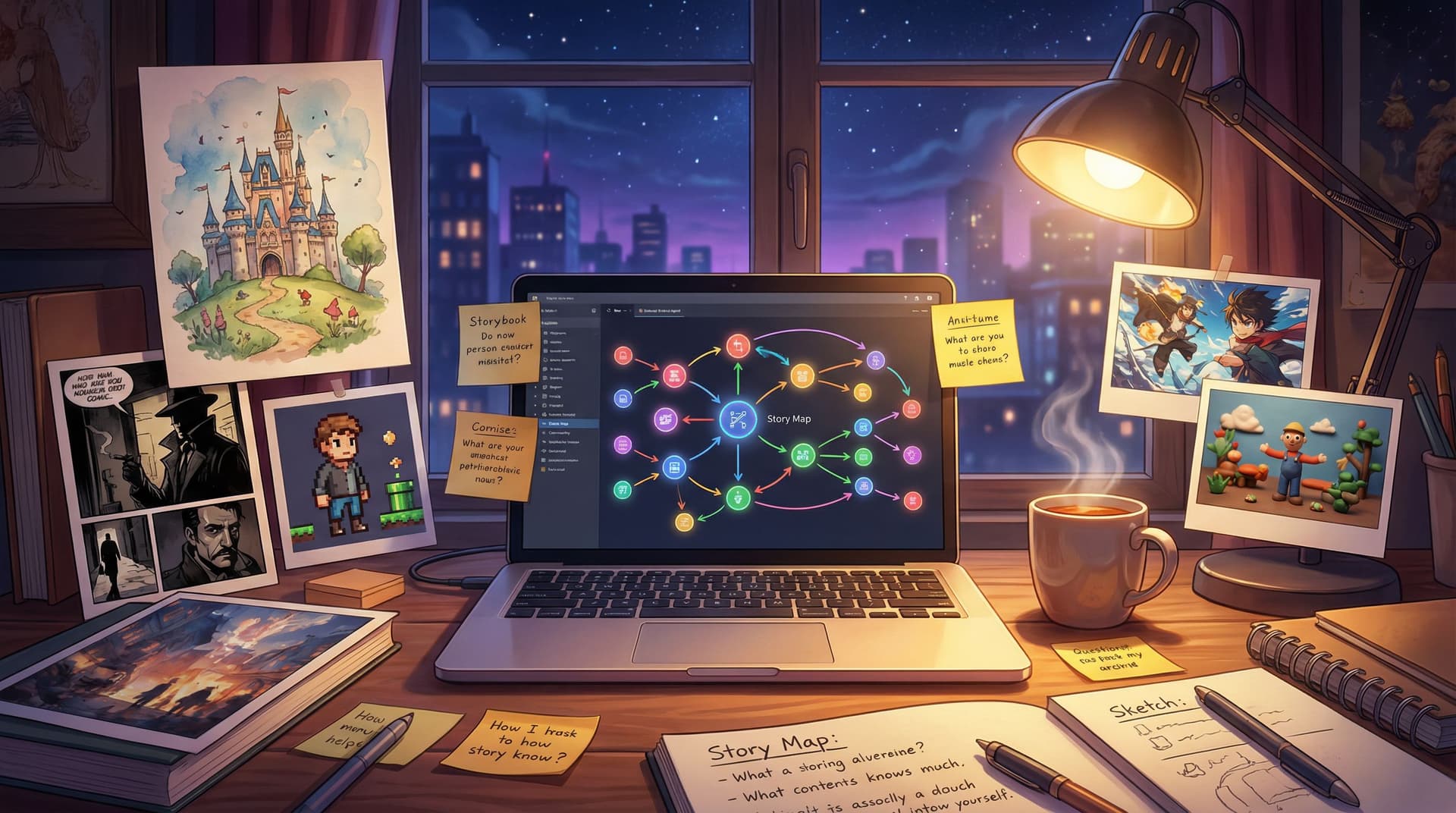
Branching Without Chaos: Simple Story Mapping Techniques for Complex Questas Narratives
Interactive Storytelling
No-Code

Branching Without Chaos: Simple Story Mapping Techniques for Complex Questas Narratives

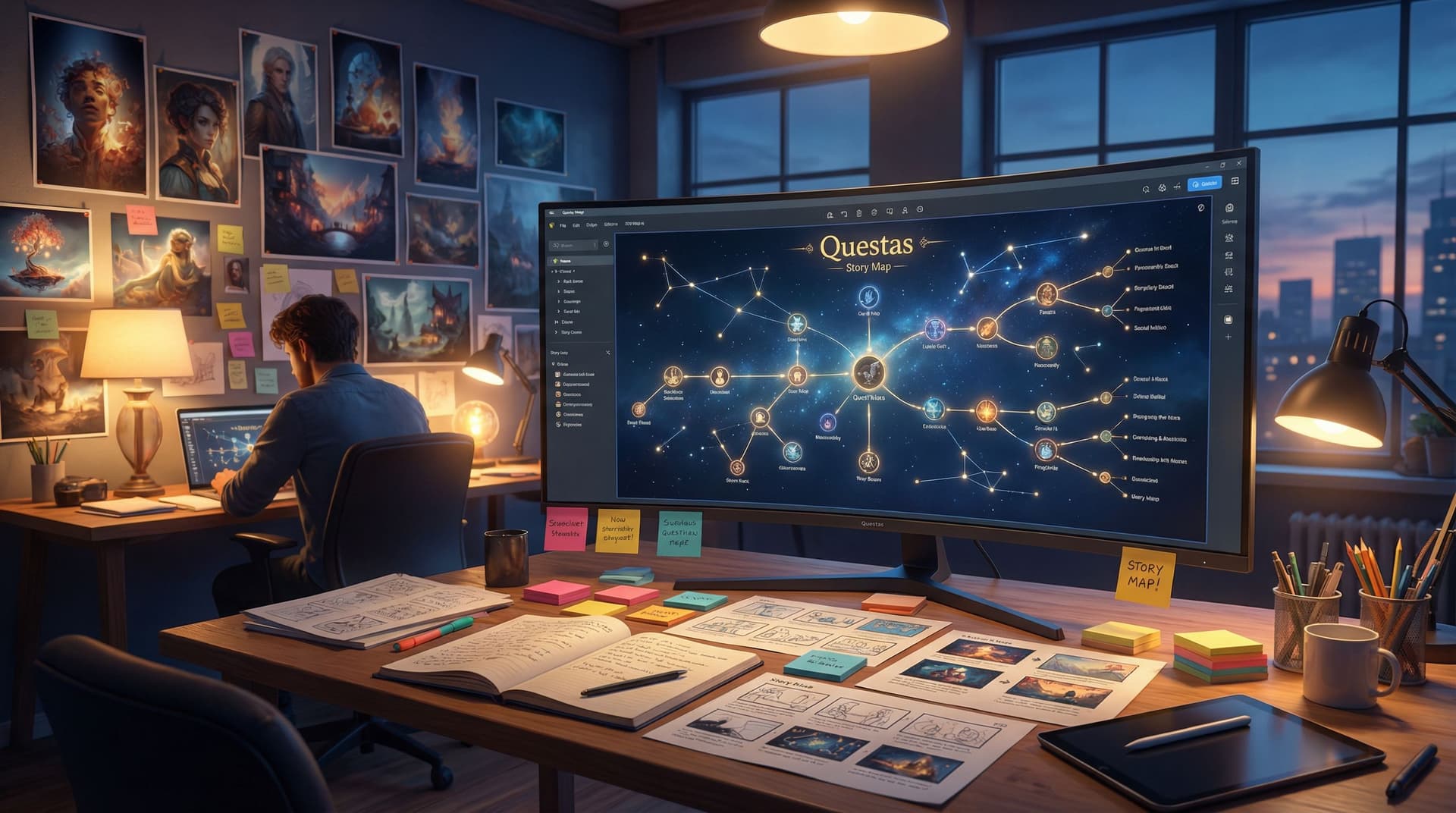
Branching Without Chaos: Simple Story Mapping Techniques for Complex Questas Narratives Interactive stories are supposed to feel wild and alive for your players—not for you as the creator. If your branching narrative feels like a tangle of half-finished ideas, orphaned scenes, and endings you can’t quite trace back to their choices, you’re not alone. Branching is powerful, but without structure, it can quickly become unmanageable. That’s where simple story mapping comes i

Team Questas
Team Questas
Build an Interactive Portfolio: Using Questas to Showcase Your Skills, Case Studies, and Client Work
No-Code
Content Creation

Build an Interactive Portfolio: Using Questas to Showcase Your Skills, Case Studies, and Client Work

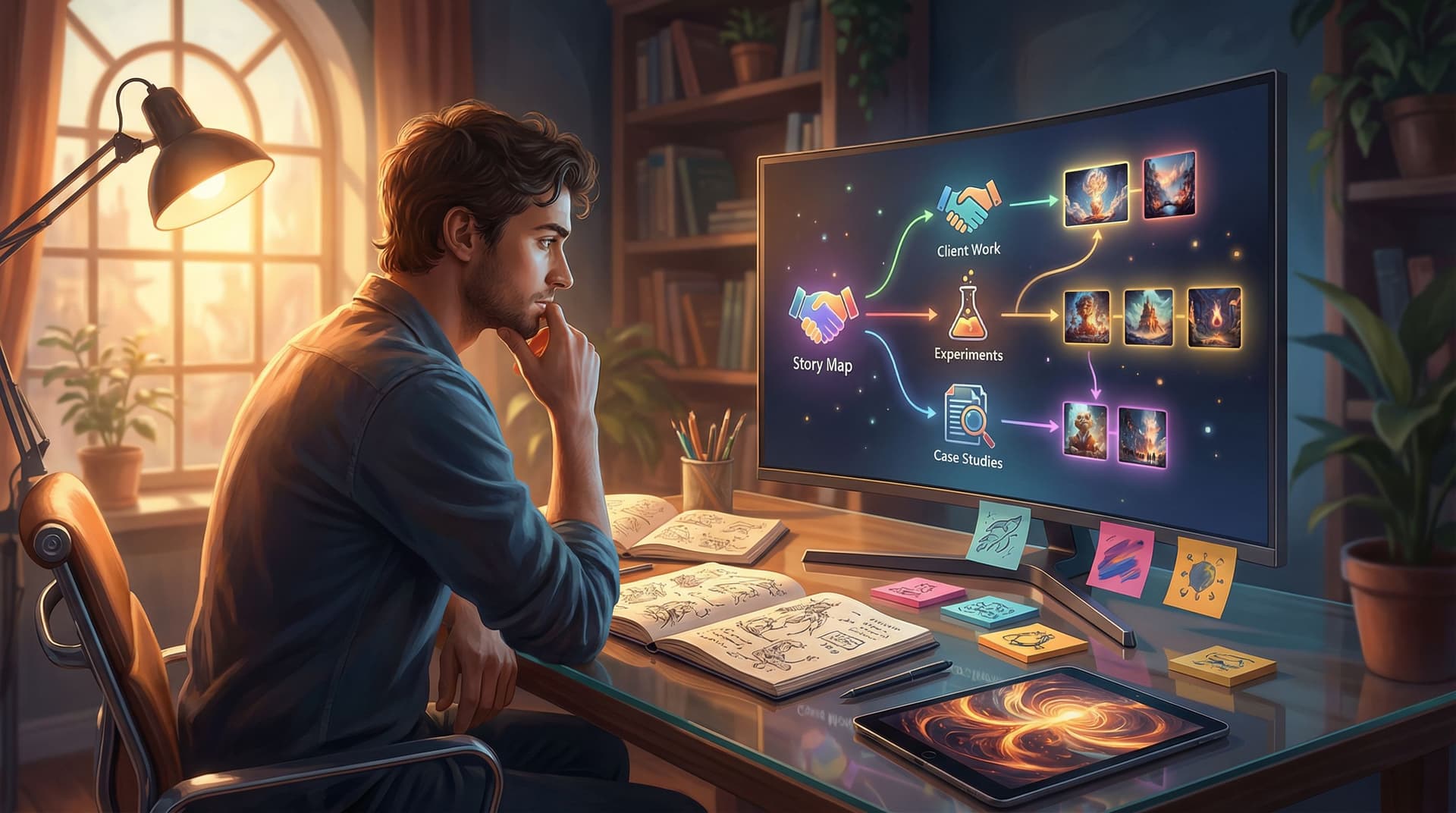
Your portfolio is no longer just a gallery of static screenshots and PDF case studies. Clients and collaborators want to experience what you can do—how you think, what it feels like to work with you, and the outcomes you create. Interactive storytelling is a powerful way to do that. Instead of asking someone to scroll through a flat page, you invite them into a playable journey where they choose what to explore: your design process, your dev chops, your strategy thinking, or the behind‑the‑scenes story of a flagship project. That’s where Questas shine

Team Questas
Team Questas
From Idea to Interactive Epic: A Step‑by‑Step Beginner’s Guide to Building Your First Questas Story
Interactive Storytelling
Creative Writing

From Idea to Interactive Epic: A Step‑by‑Step Beginner’s Guide to Building Your First Questas Story

Interactive stories used to mean complex code, custom engines, and a lot of technical overhead. Now, anyone with a browser can build a branching adventure that feels like a playable graphic novel. That’s the promise of Questas: a visual, no‑code platform for creating choose‑your‑own‑adventure experiences with AI‑generated images and video. But if you’re new, staring at that empty story canvas can feel just as intimidating as a blank page. This guide walks you from first spark of an idea to a fully playable, shareable interactive epic—step by ste

Team Questas
Team Questas
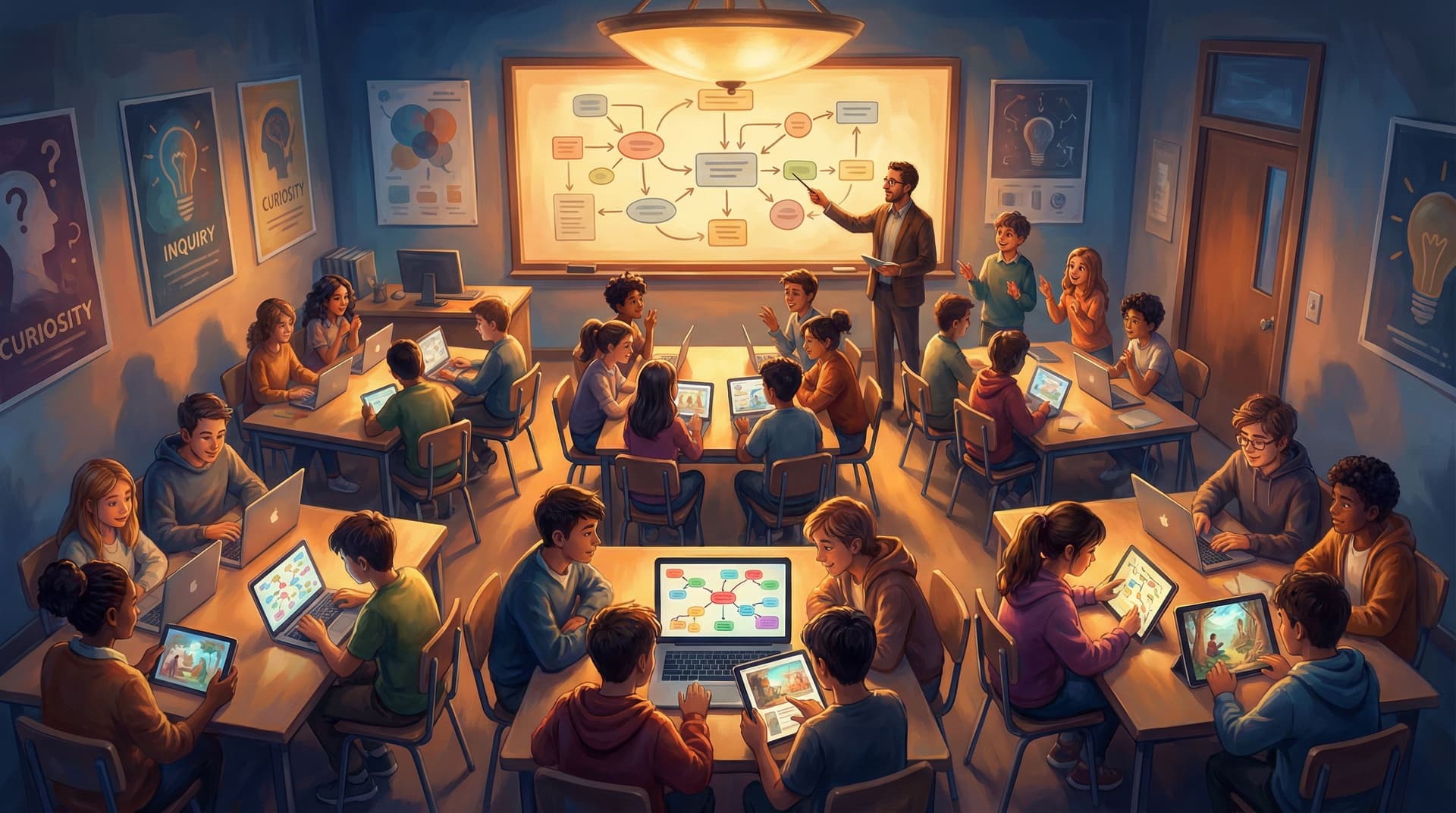
Classroom Adventures: How Teachers Use Questas to Turn Lessons into Playable Stories
Interactive Storytelling
No-Code

Classroom Adventures: How Teachers Use Questas to Turn Lessons into Playable Stories

When students talk about their favorite memories from school, they rarely mention worksheets. They remember stories: the mock trial where they defended a historical figure, the simulation where they survived on Mars, the mystery they solved with classmates. Interactive storytelling taps into that same energy—and it’s quickly moving from “fun extra” to core strategy in many classrooms. Game-based learning is projected to reach over $64 billion by 2030, driven largely by demand for interactive, immersive experiences in education. Students in game-based environments show 28% higher engagement and spend 64% more time on learning tasks compared to traditional approaches

Team Questas
Team Questas