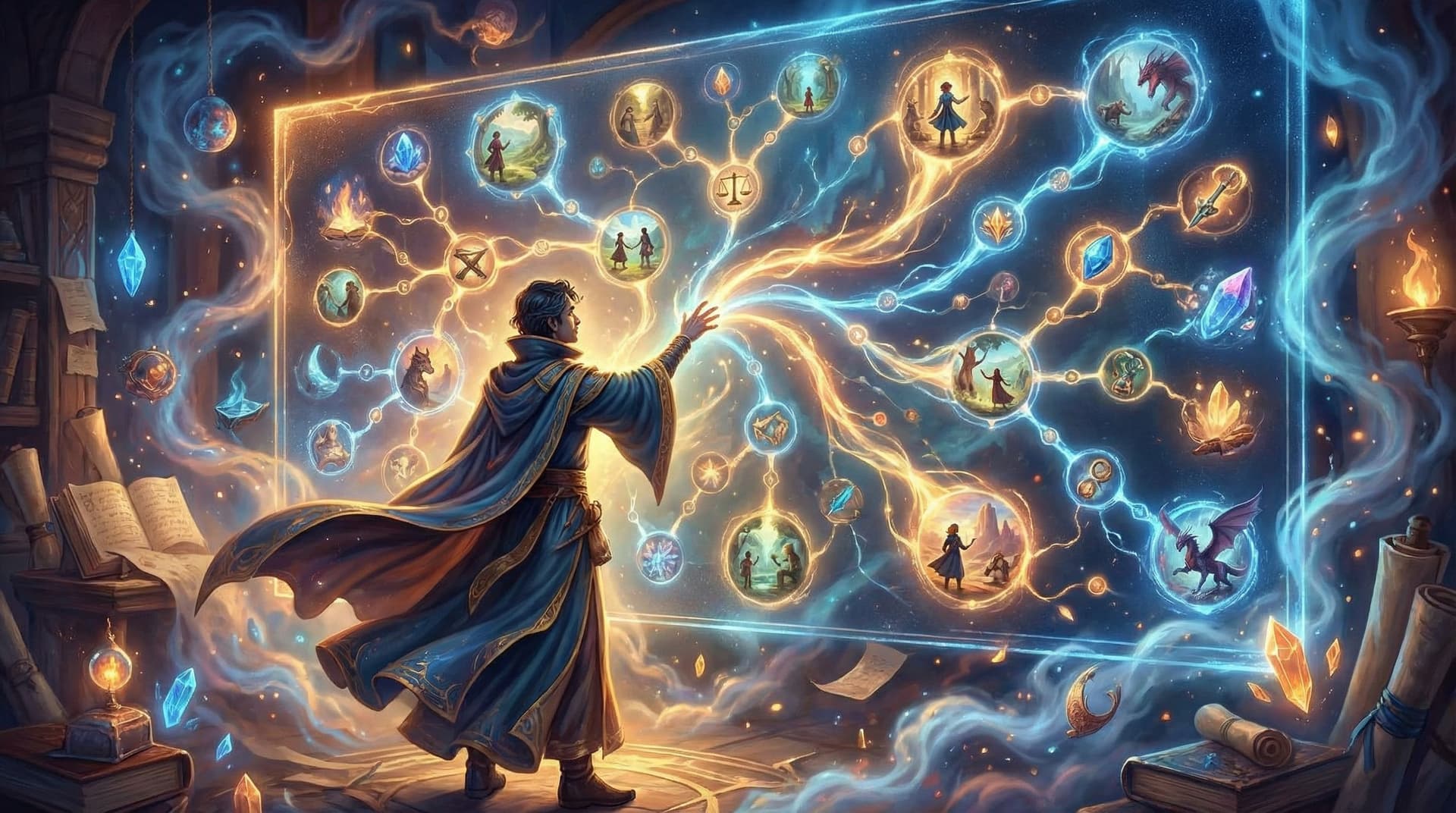
Monetizing Your Adventures: How Creators Can Earn from Questas Stories


Interactive stories aren’t just a passion project anymore—they’re a viable creative business.
If you’re already building branching narratives, gamebooks, or interactive comics, or you’re just starting to experiment with Questas, there’s a natural next question:
How do I turn these adventures into real income?
This post is your roadmap. We’ll walk through the main ways creators are monetizing interactive stories built with Questas, how to design your projects with revenue in mind (without ruining the magic), and practical tips to get started—even if you’ve never sold anything you’ve made before.
Why Monetizing Your Stories Matters (Beyond the Money)
Yes, revenue is great. But building a sustainable income from your interactive stories does more than pay the bills.
Monetization helps you:
- Buy back time so you can create more ambitious worlds instead of squeezing everything into late-night sessions.
- Justify deeper craft—spending hours refining branches, polishing dialogue, and generating consistent visuals becomes easier when there’s a clear return.
- Grow your audience by reinvesting in marketing, better tools, and collaborations.
- Treat your stories like a product, which often leads to clearer structure, stronger hooks, and more satisfying endings.
If you’ve already explored how AI can help you prototype and draft stories faster, monetization is the next step: turning that creative momentum into something sustainable.
Start with the Right Kind of Story
Not every idea is equally suited for monetization. Some stories are perfect as free “samplers”; others are natural premium experiences.
Ask yourself:
-
Is there a clear audience?
- Fans of a genre (cozy mysteries, YA romance, dark fantasy).
- Players of certain games (TTRPG fans, visual novel communities, interactive fiction groups).
- Professionals or educators (trainers, coaches, teachers) who can use your story as a tool.
-
Does the story offer replay value?
- Multiple endings, hidden routes, or unlockable scenes.
- Choices that genuinely change outcomes, not just flavor text.
- Branches that appeal to different play styles (power fantasy, roleplay, puzzle-solving, emotional drama).
-
Can you package it as a product?
- A self-contained “season” or campaign.
- A series of episodes.
- A toolkit or template other creators/teachers can reuse.
If you’re still in the idea stage, it’s worth exploring narrative structures that naturally support replayability and premium content. Our guide on branching narrative patterns to try in Questas is a great place to start.
Core Ways to Earn from Questas Stories
You don’t need to use every method below. Pick one or two that match your audience, then layer more over time.
1. Direct Sales: Paid Stories, Episodes, and Bundles
The most straightforward path: charge money for access.
Common formats:
- Standalone premium adventure: One complete, polished story with multiple endings.
- Episodic releases: Charge per chapter/episode or sell season passes.
- Bundles: Group several smaller adventures (e.g., “Horror Night Pack” or “Classroom History Sim Pack”).
Where to sell:
- Your own site or storefront (via tools like Gumroad, Ko-fi Shop, or itch.io).
- As part of a membership hub (Patreon, Ko-fi memberships, or a private community platform).
How Questas helps here:
- Use the visual, no-code editor to quickly build polished stories without hiring a dev.
- Generate AI images and videos to give your premium story a distinctive visual identity.
- Package each story as a shareable interactive experience you can link from your storefront.
Pro tip: Offer a free demo route—one or two branches that end on a cliffhanger—with a clear upgrade path to the full version.
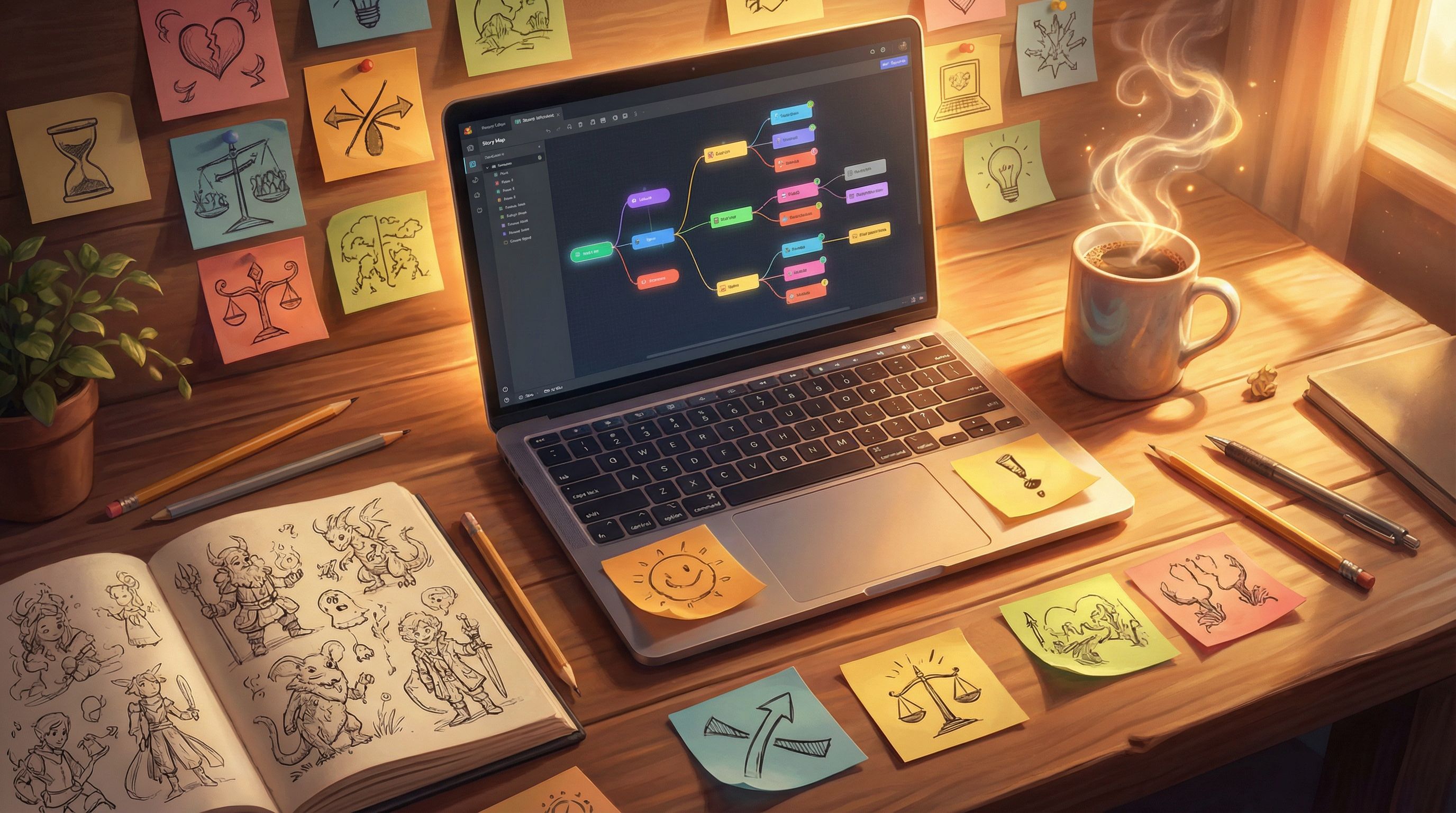
2. Memberships, Subscriptions, and “Story Clubs”
If you’re planning to release regularly, recurring revenue can be more stable than one-off sales.
Ideas for subscription-based offerings:
- Monthly adventure drops: New interactive story each month, plus access to the back catalog.
- Early access + behind-the-scenes: Members play chapters before public release and see your story maps, drafts, and alt endings.
- Interactive story club: Host live sessions where members vote on new branches or endings.
Platforms to consider:
- Patreon for tiered memberships.
- Ko-fi Memberships for simple monthly support.
- A private Discord/Slack community with paid access, where you share Questas links and extras.
What to gate vs. what to give away:
- Free: Short, complete stories; demos; first episodes; devlogs.
- Paid: Extended routes, alternate endings, bonus POVs, exclusive side stories, or “director’s cut” branches.
This model works especially well if you’re already comfortable with rapid story prototyping. If not, check out how to use AI as a co-writer and idea generator in AI as Your Co-Author: Using Questas to Break Writer’s Block and Rapidly Prototype Story Ideas.
3. Educational and Training Licenses
Interactive stories aren’t just entertainment—they’re powerful learning tools.
Teachers, corporate trainers, and coaches are actively looking for:
- Scenario-based learning (e.g., leadership dilemmas, sales conversations, customer support situations).
- Historical or scientific simulations students can explore.
- Soft-skill practice in safe, branching environments.
Our post on how teachers turn lessons into playable stories shows just how much demand there is for this style of content.
You can monetize by:
- Selling classroom licenses (per teacher, per class, or per school).
- Offering custom story design services for schools or companies.
- Creating white-label stories that organizations can brand as their own.
Steps to get started:
- Pick a niche: e.g., “ethical decision-making for teens” or “onboarding scenarios for SaaS support teams.”
- Build 1–2 polished sample adventures in Questas to showcase what’s possible.
- Reach out to:
- Teachers’ groups, educational forums, and conferences.
- HR and L&D (Learning & Development) teams on LinkedIn.
- Online course creators who want more interactivity.
- Offer a pilot: a short interactive module with clear learning outcomes.
You’re not just selling a story—you’re selling engagement and better learning outcomes.
4. Sponsorships and Brand Collaborations
If you’ve grown an audience around your stories—on TikTok, YouTube, Twitch, or newsletters—brands may pay to be part of the adventure.
Collaboration formats:
- Sponsored story arcs: A brand appears as a location, tool, or ally in the story (tastefully integrated, not forced).
- Custom adventures: Build a branded interactive experience for a product launch or campaign.
- Content series: A brand funds a multi-episode story that releases over weeks.
To make this work:
- Keep a media kit with your audience stats, demographics, and examples of your work.
- Build one or two spec projects—mock brand integrations in Questas you can show to potential partners.
- Make sure any sponsored content is clearly labeled and still fun on its own terms.
This is especially powerful when combined with streaming or recorded playthroughs: viewers watch, vote on choices, and discover the brand organically through the story.
5. Crowdfunding and Preorders
If you have a big, ambitious Questas project—an epic sci-fi saga, a full curriculum of classroom adventures, or a multi-season mystery—crowdfunding can fund development.
Options include:
- Kickstarter for project-based campaigns.
- BackerKit for preorders and add-ons.
- Gamefound if you’re mixing interactive fiction with tabletop elements.
Key ingredients for a strong campaign:
- A playable teaser built in Questas to show the experience.
- Clear tiers: basic access, deluxe edition with extra branches, behind-the-scenes access, custom character cameos, etc.
- A realistic timeline and transparent updates.
Crowdfunding doesn’t just raise money—it builds a dedicated community that will evangelize your story when it launches.

Design Your Story with Monetization in Mind (Without Killing the Fun)
Monetization shouldn’t feel like a paywall slapped on at the end. The most successful creators bake it into the structure and experience from the beginning.
Make Choices Meaningful
People are more willing to pay when their decisions truly matter.
- Avoid “illusion of choice” where every path leads to the same outcome.
- Create distinct routes with different tones (tragic, triumphant, romantic, comedic).
- Add hidden branches or secret endings players can chase.
Using a clear narrative pattern—like hub-and-spoke or layered branches—helps you manage complexity while still offering depth. If you’re new to this, revisit Level Up Your Plots: 7 Branching Narrative Patterns to Try in Questas.
Use Visuals as a Value Multiplier
AI-generated art and video can turn a solid story into a premium-feeling experience.
With Questas, you can:
- Maintain consistent characters and worlds across branches.
- Use different visual styles (sketchy concept art, painterly fantasy, anime, noir) for different routes.
- Add short AI-generated video clips for key reveals or endings.
If you struggle with consistency—like your hero’s face changing from scene to scene—our guide on how to prompt AI for consistent characters and worlds will save you a lot of frustration.
Plan Your Free vs. Paid Content
Think in terms of tiers of access:
-
Tier 1 – Open Access
- Short complete storylines that show what you can do.
- Great for building trust and an email list.
-
Tier 2 – Core Paid Experience
- Full-length adventures with multiple endings.
- Clean, polished visuals and audio.
-
Tier 3 – Superfan Extras
- Alternate POVs, commentary tracks, design docs.
- Custom branches where backers or patrons appear as characters.
Design your story map so that adding these tiers is straightforward—e.g., extra branches that connect off key nodes, or premium-only endings that don’t disrupt the main arc.
Practical Pricing and Launch Tips
You’ve built something worth paying for. Now what?
How Much Should You Charge?
There’s no universal formula, but some rough guidelines:
- Short, one-shot adventures (20–40 minutes): $3–$7
- Medium stories (1–2 hours, multiple endings): $7–$15
- Large campaigns or educational modules: $15–$50+
- Licensing to schools or companies: often per seat, per class, or flat project fees in the hundreds or thousands.
Start on the lower end if you’re unknown; raise prices as you build a catalog and audience.
Make the First Sale Easier
- Offer launch discounts for early buyers.
- Include bonus content for the first week or for newsletter subscribers.
- Give past readers a loyalty price on new releases.
Promote Where Your Audience Already Hangs Out
- Share short clips or screenshots of dramatic choices on TikTok, Instagram Reels, or YouTube Shorts.
- Run live playthroughs on Twitch or YouTube where viewers vote on branches.
- Partner with streamers or booktubers who enjoy interactive fiction.
Always include a clear link to your Questas story and storefront in your bios and video descriptions.
Tracking What Works (So You Can Do More of It)
Monetization is an experiment. Treat your first few releases as data-gathering missions.
Pay attention to:
- Completion rates: Where do people drop off in your story?
- Most played branches: Which choices attract the most clicks?
- Conversion points: Which moments in the free content drive upgrades to paid?
Simple tools like URL shorteners with analytics, storefront reports, and basic surveys can tell you a lot.
Use that data to:
- Adjust pricing.
- Expand popular branches.
- Cut or simplify confusing sections.
- Decide what kind of story to build next.
Bringing It All Together
Monetizing interactive stories isn’t about squeezing every cent from your readers. It’s about:
- Respecting your time and craft.
- Building a sustainable practice so you can keep creating.
- Delivering richer, more immersive experiences that feel worth paying for.
Questas gives you the building blocks—branching logic, AI-generated visuals, and a no-code editor. Layer on:
- A clear audience.
- A smart mix of free and paid content.
- One or two monetization models that match your strengths.
And you have the foundation of a real creative business.
Ready to Turn Your Next Adventure into Income?
Here’s a simple way to get started this week:
- Pick one story idea that you’re excited to build.
- Map a short, replayable adventure in Questas with at least two distinct endings.
- Decide on a model: paid standalone, Patreon bonus, classroom pilot, or something else from this post.
- Create a free teaser route, then:
- Share it with 5–10 people.
- Ask what they’d pay for the full experience.
- Ship a v1—even if it’s not perfect—and learn from the response.
Your stories don’t have to live in a drawer or a forgotten folder. They can be experiences people are eager to pay for, replay, and recommend.
Open up Questas, sketch your next branching path, and take the first step toward turning your adventures into a lasting, rewarding creative career.